Bali Wildlife
Every Spices Matter


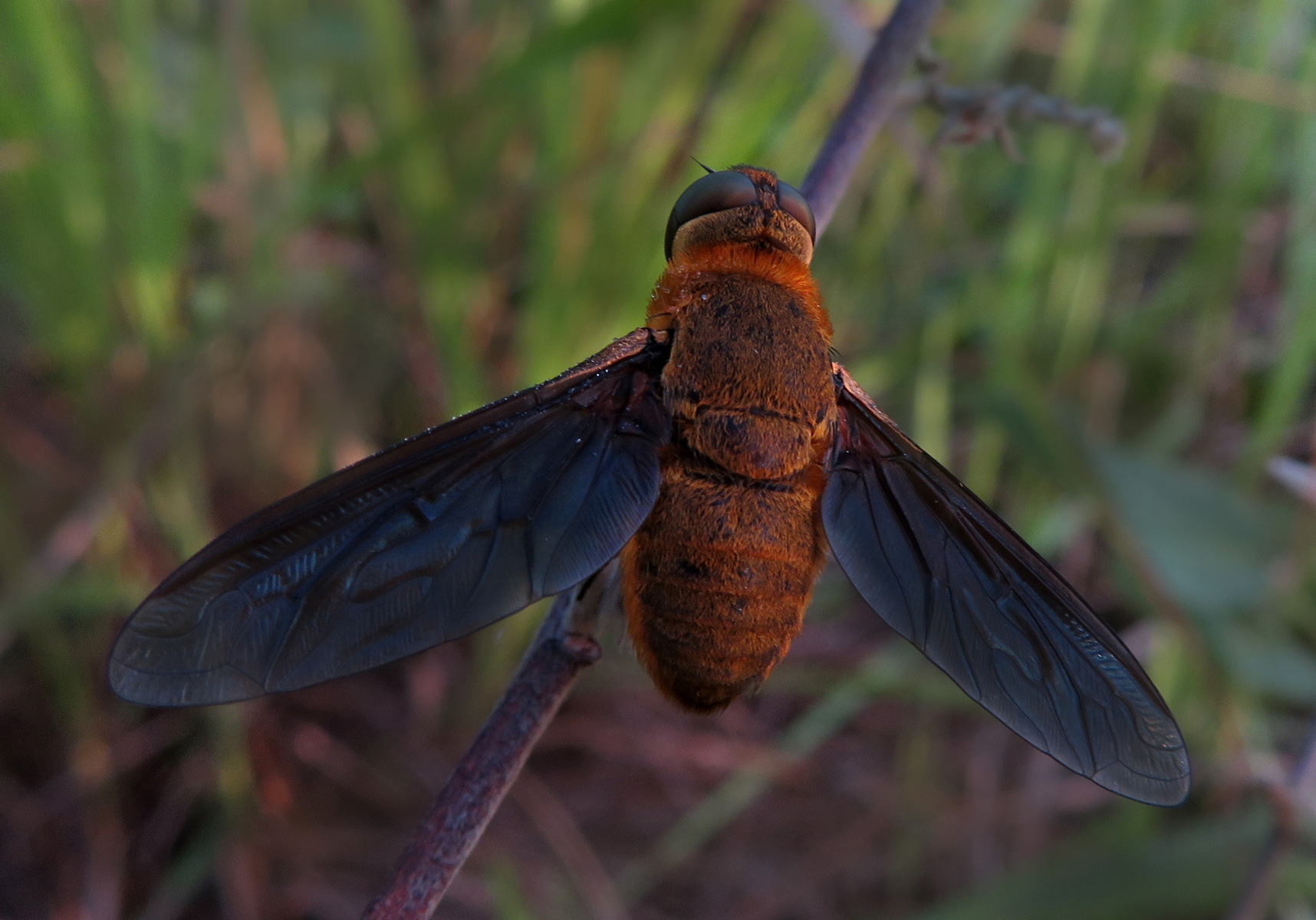
Bombyliidae, commonly known as bee flies, is a large and diverse family within the superfamily Asiloidea (Order Diptera). Members of this family are distributed worldwide and are especially abundant in arid and semi-arid regions, though many species also occur in grasslands, forests, and Mediterranean-type habitats.
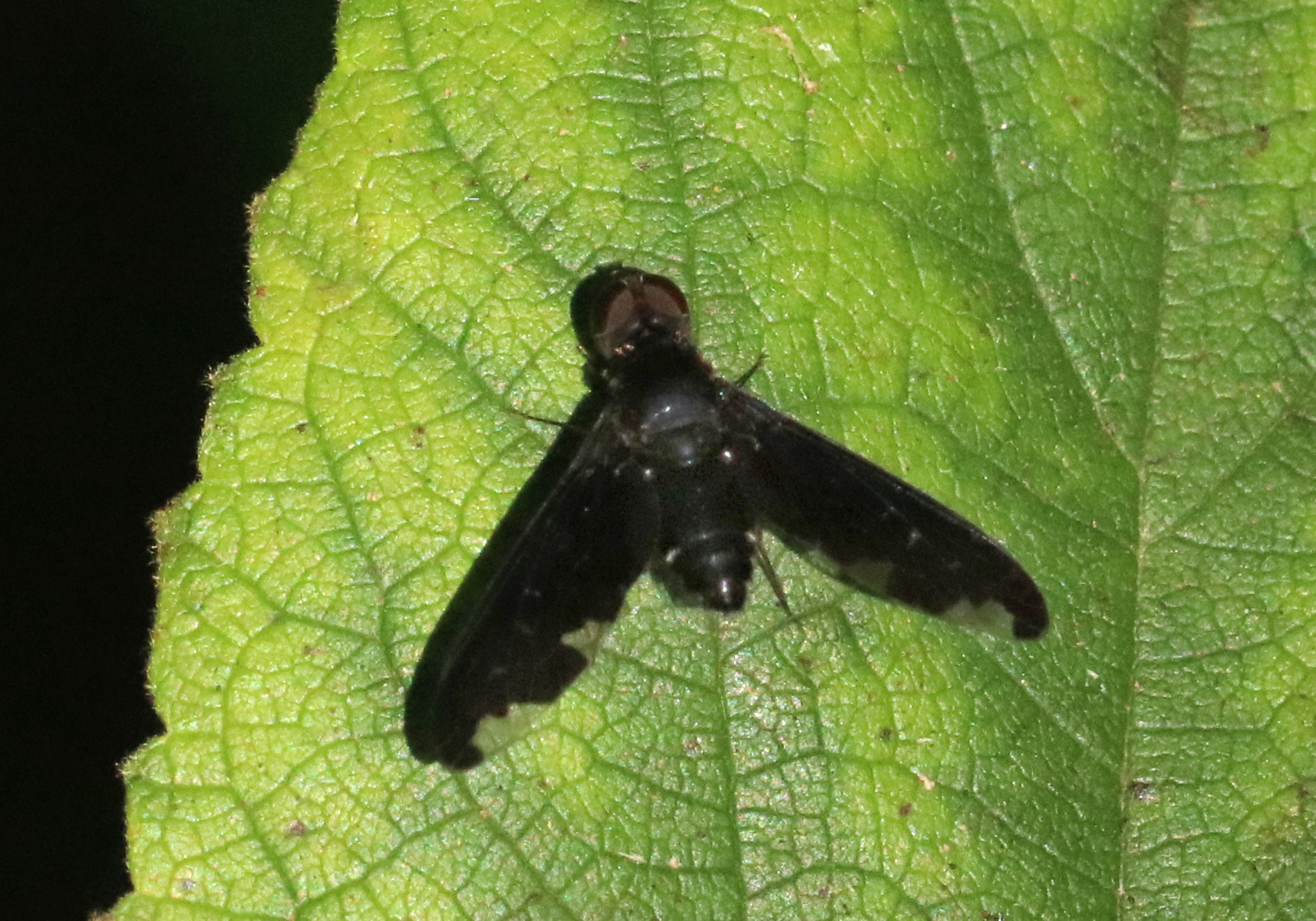
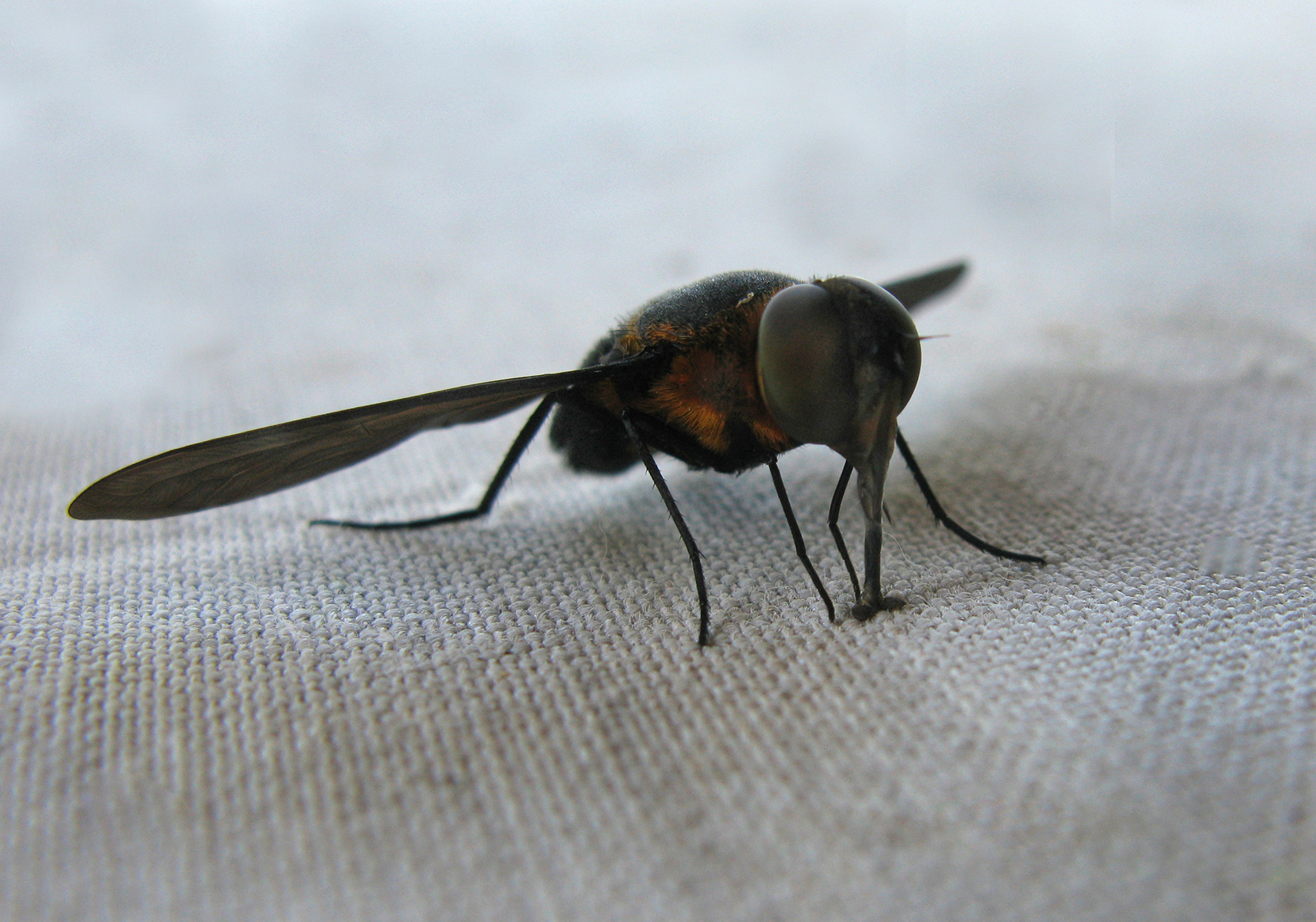
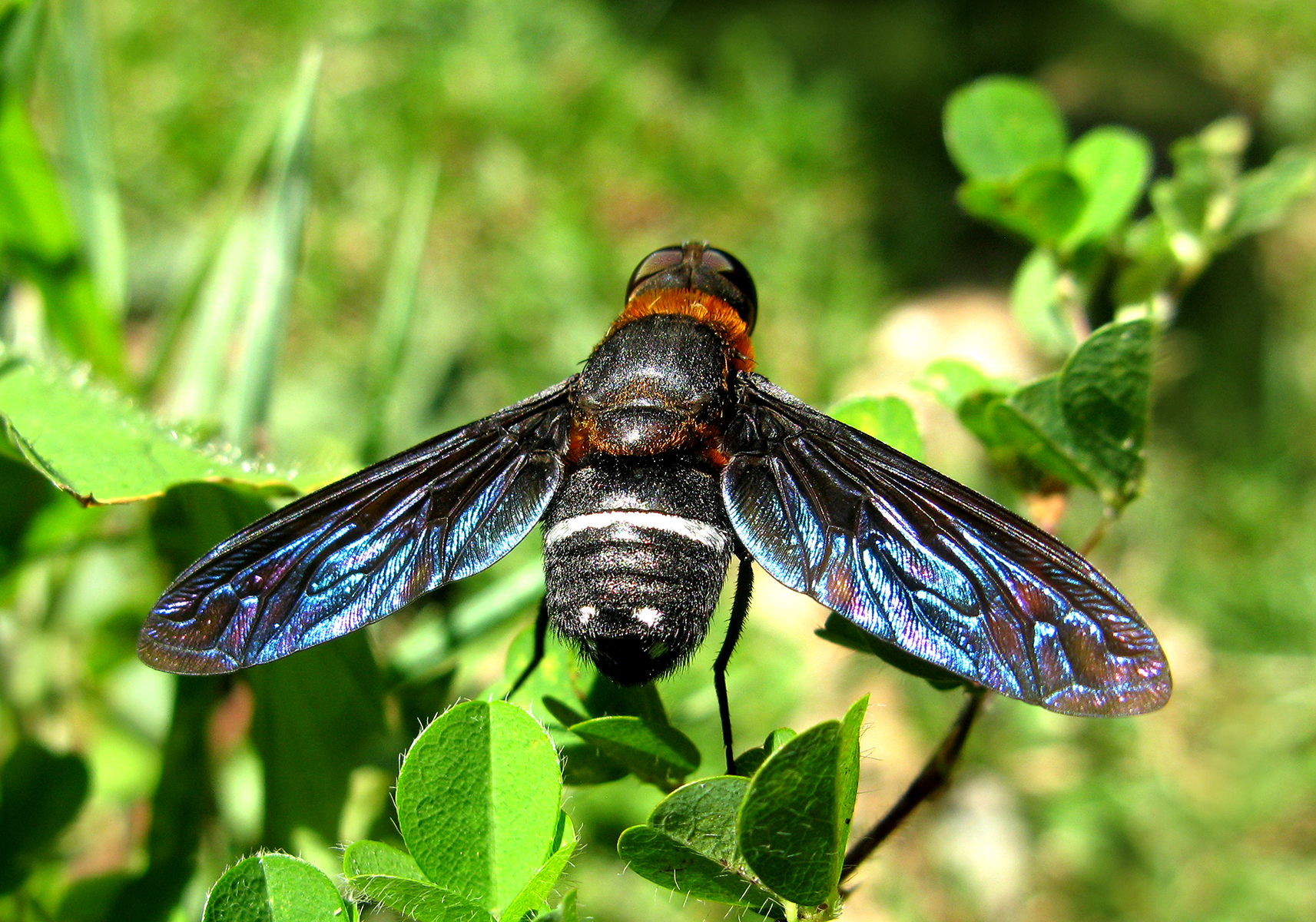
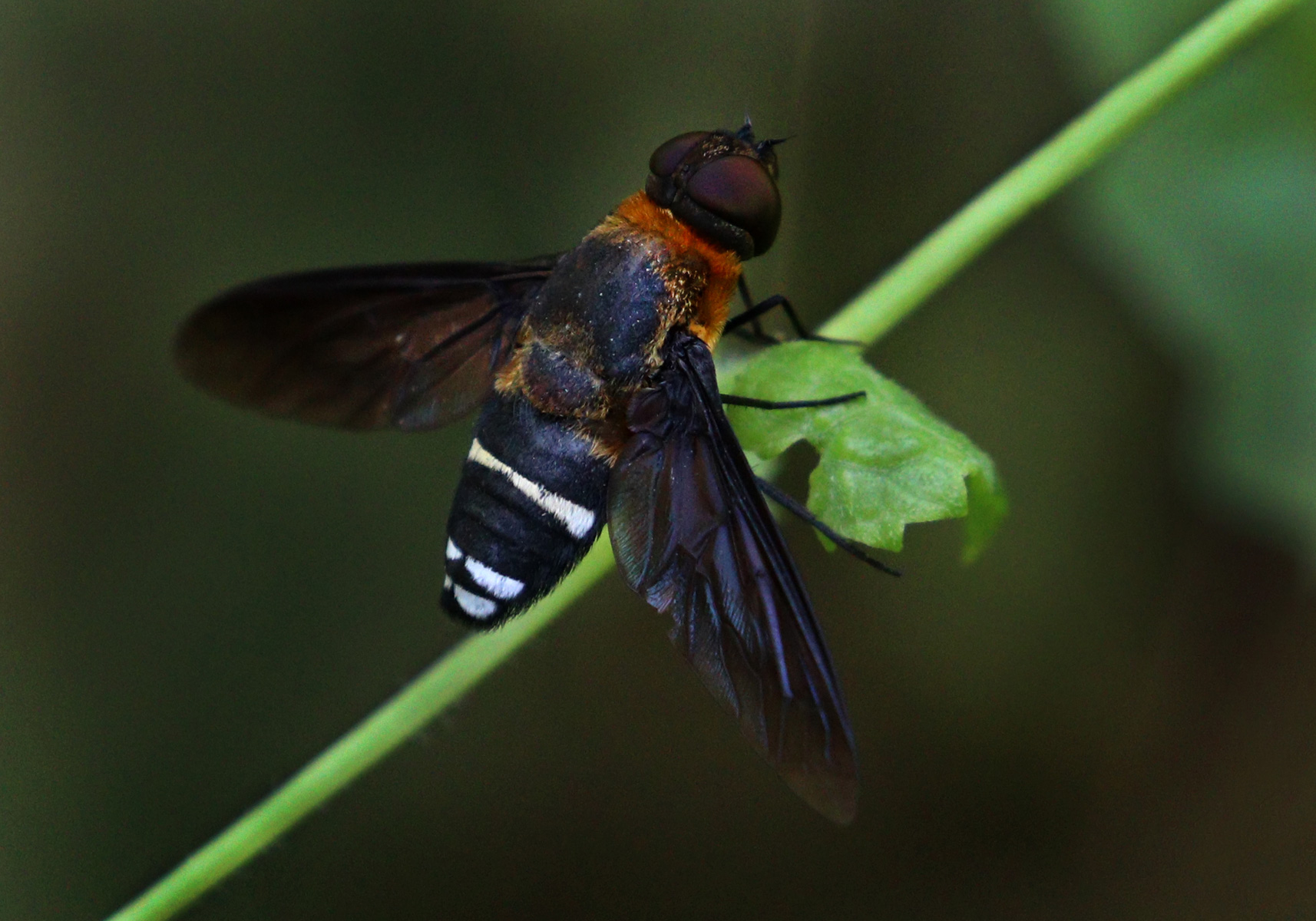
Bee flies are typically small to medium-sized insects characterized by a stout, often hairy body that closely resembles bees or other pollinating insects. This resemblance serves as protective mimicry against predators. The head is large with well-developed compound eyes, and many species possess a long, slender proboscis adapted for feeding on nectar while hovering near flowers.
The wings are usually clear or patterned and are often held outstretched when the insect is at rest. Flight is agile and hovering is common, allowing individuals to feed without landing. Legs are generally slender and not specialized for grasping prey, reflecting their primarily nectar-feeding adult lifestyle.
The life cycle involves complete metamorphosis. Larvae of Bombyliidae are typically parasitoids, developing within or on the immature stages of other insects, such as bees, wasps, beetles, or grasshoppers. Females often scatter eggs near host habitats, and the emerging larvae actively seek out hosts.
Adults feed mainly on nectar and are important pollinators of many flowering plants, particularly in dry environments where other pollinators may be less abundant. Their long proboscis allows them to access nectar from deep flowers that are inaccessible to many other insects.
Ecologically, Bombyliidae plays a dual role. Adults contribute significantly to pollination, while larvae help regulate populations of other insects through parasitism. This combination of ecological functions makes bee flies an important component of both natural ecosystems and plant–insect interactions.