

Australasian Cat Snakes (Genus Boiga)
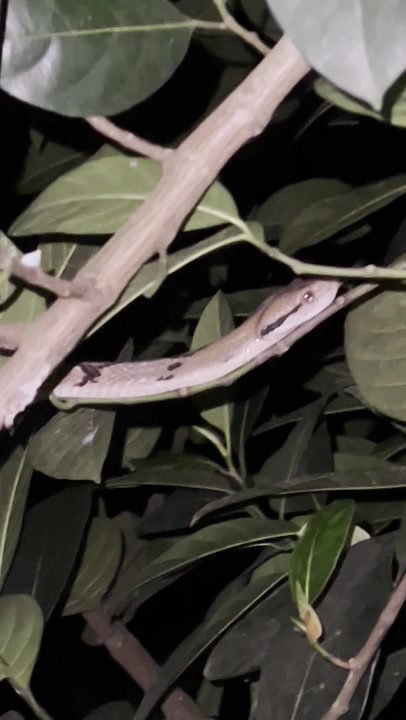
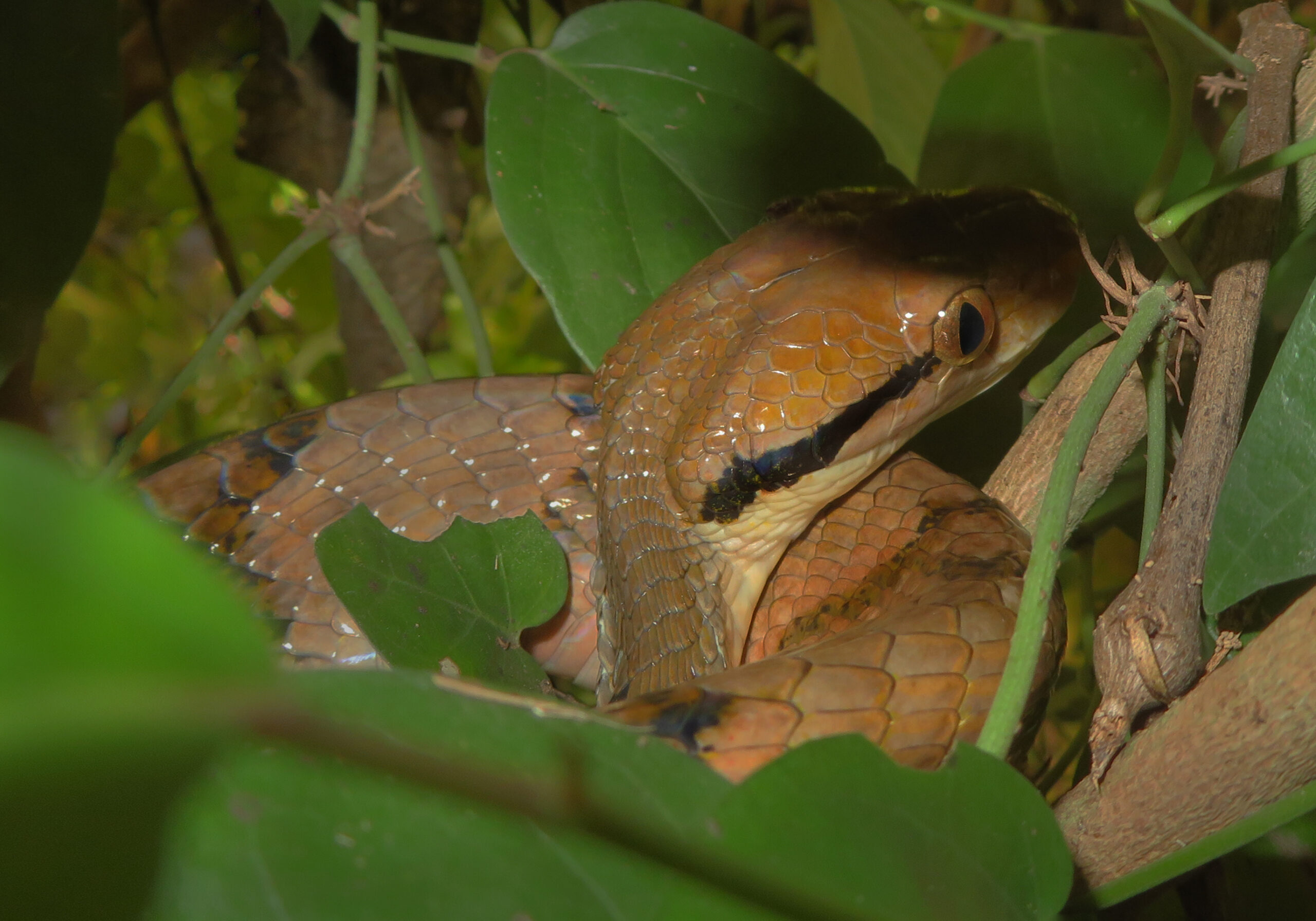
Boiga is a genus of rear-fanged snakes within the subfamily Colubrinae (Family Colubridae, Order Squamata). Commonly known as the cat snakes, the genus comprises more than 35 described species distributed throughout South Asia, Southeast Asia, East Asia, Australia, New Guinea, and numerous islands of the Indo-Pacific. Members inhabit tropical rainforests, secondary forests, mangroves, woodland edges, plantations, agricultural areas, parks, gardens, and occasionally urban environments, where they are primarily associated with trees and dense vegetation.
Snakes of the genus Boiga are generally slender, elongate, and highly arboreal, ranging from 60 cm to over 2.5 m in total length, depending on the species. They possess a distinct head that is broader than the neck, exceptionally large eyes with vertical elliptical pupils, and smooth scales that give the body a glossy appearance. Coloration varies widely among species and includes shades of green, brown, gray, black, yellow, orange, or reddish-brown, often with bands, blotches, stripes, or contrasting markings that provide camouflage among foliage and branches. Their large eyes and vertical pupils are adaptations for nocturnal hunting.
Boiga species are primarily nocturnal, spending the day resting in tree hollows, dense vegetation, vine tangles, or beneath loose bark. At night they become active and move gracefully through trees using their slender body and prehensile movements. Although mainly arboreal, some species also descend to the ground to forage. When threatened, they may flatten the front of the body into an S-shaped posture, gape widely, hiss, or strike repeatedly as a defensive display.
Members of the genus are carnivorous, feeding on lizards, frogs, birds, bird eggs, bats, rodents, and other small mammals. They are rear-fanged (opisthoglyphous) and possess mildly venomous saliva delivered through enlarged rear teeth. This venom is primarily used to immobilize prey and is generally of low medical significance to healthy humans, although bites can cause localized pain, swelling, and mild systemic symptoms. Prey is usually seized, partially constricted if necessary, and swallowed whole.
The life cycle includes egg, juvenile, and adult stages. All known species are oviparous, with females laying clutches of eggs in tree hollows, leaf litter, rotting logs, or other sheltered sites. Incubation lasts several weeks, after which fully independent hatchlings emerge and begin hunting small reptiles, amphibians, or invertebrates.
The genus includes numerous well-known species, including Boiga cyanea (Green Cat Snake), Boiga dendrophila (Mangrove Cat Snake), Boiga cynodon (Dog-toothed Cat Snake), Boiga irregularis (Brown Tree Snake), Boiga multomaculata (Many-spotted Cat Snake), and Boiga nigriceps (Black-headed Cat Snake). Some species, particularly the Brown Tree Snake, have become notable invasive predators outside their native range.
Ecologically, Boiga snakes are important arboreal predators that help regulate populations of frogs, lizards, birds, rodents, and other small vertebrates. They also serve as prey for larger snakes, birds of prey, monitor lizards, and carnivorous mammals. Because many species depend on healthy forest habitats and respond to habitat alteration, Boiga snakes are valuable indicators of forest ecosystem health, habitat quality, and biodiversity.