Bali Wildlife
Every Spices Matter


Blattodea is an order of insects within the class Insecta that includes cockroaches and termites. Members of this order are widely distributed across the globe, inhabiting a broad range of environments from tropical forests and grasslands to deserts, caves, and human dwellings. Blattodea represents an ecologically important and evolutionarily significant lineage, particularly due to the inclusion of termites, which were once classified separately.
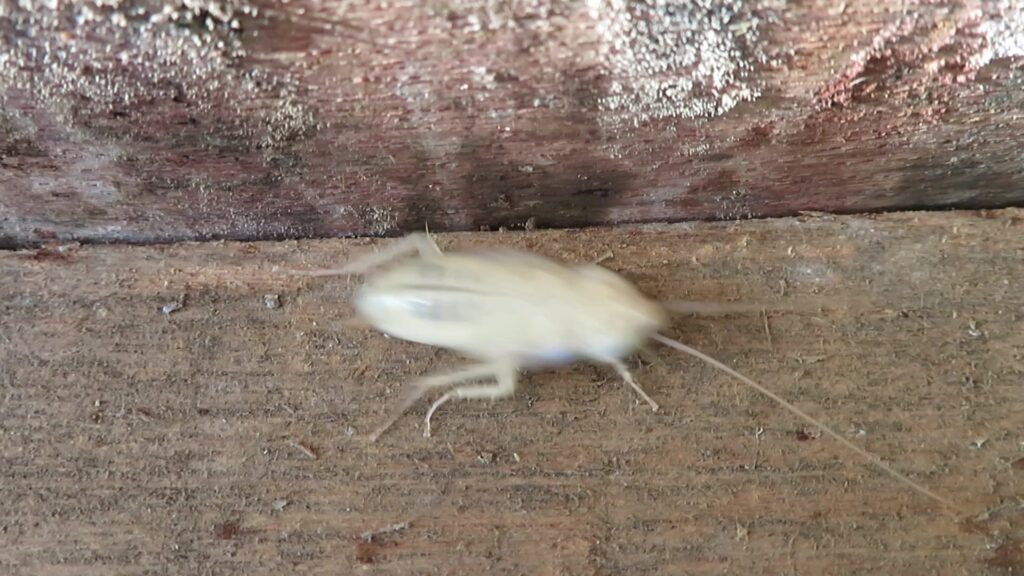
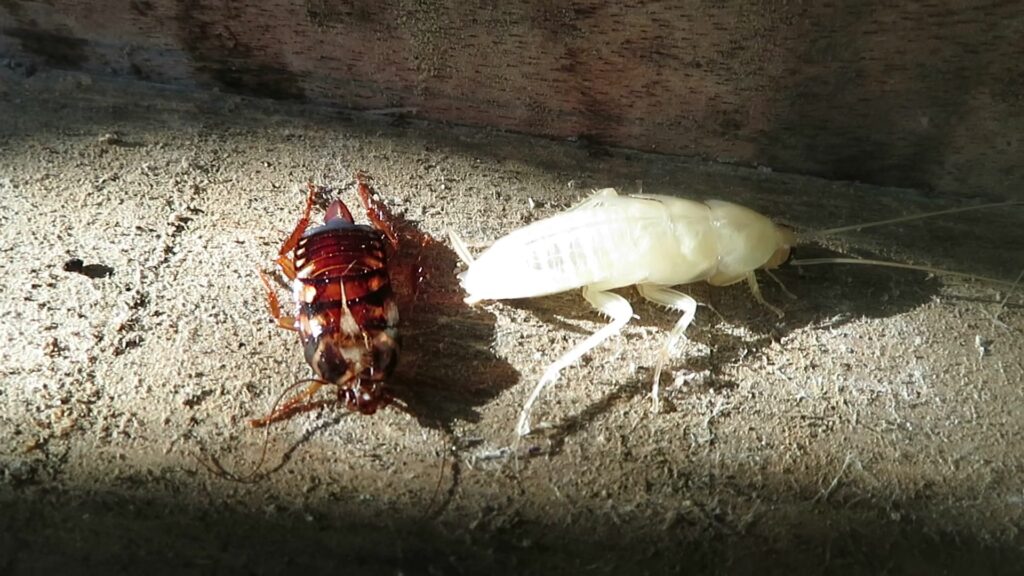
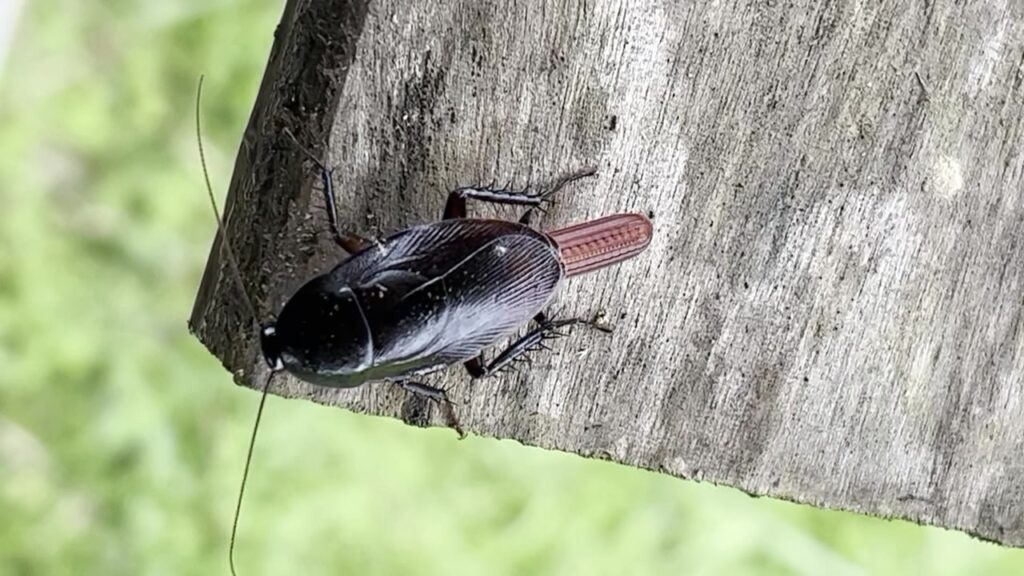
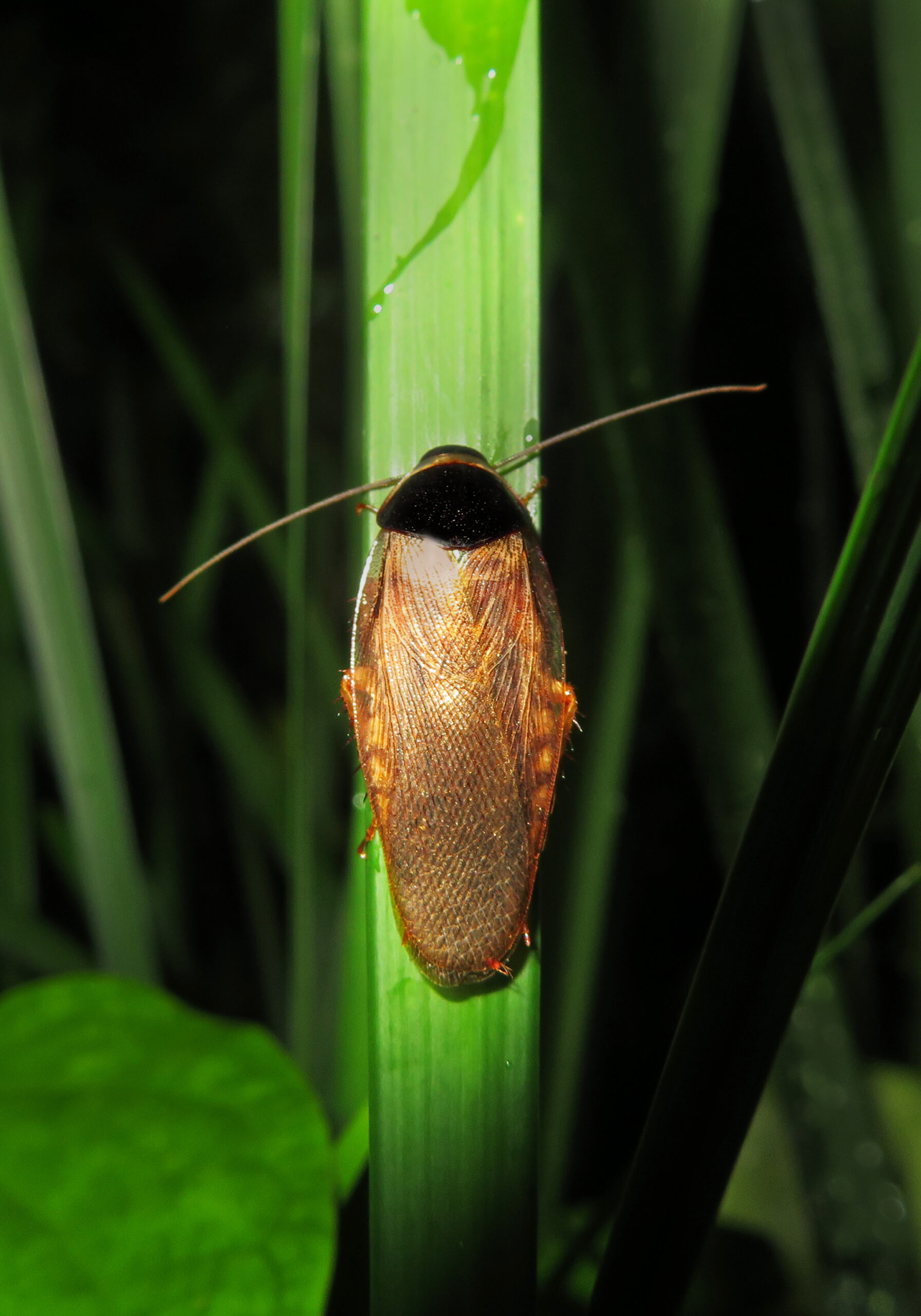
Insects of the order Blattodea typically have a flattened, oval body adapted for hiding in narrow spaces. The head is usually concealed beneath a large, shield-like pronotum. They possess chewing mouthparts, long filamentous antennae, and well-developed legs suited for running. Wings may be present or reduced; when present, the forewings are often leathery and protective, while the hind wings are membranous and used for flight, although many species are primarily ground-dwelling.
A key characteristic of Blattodea is their diverse feeding habits. Cockroaches are generally omnivorous scavengers, feeding on a wide range of organic materials, including decaying matter, plant material, and food waste. Termites, in contrast, are specialized detritivores that feed primarily on cellulose from wood, leaf litter, and soil organic matter, often with the aid of symbiotic microorganisms in their digestive systems.
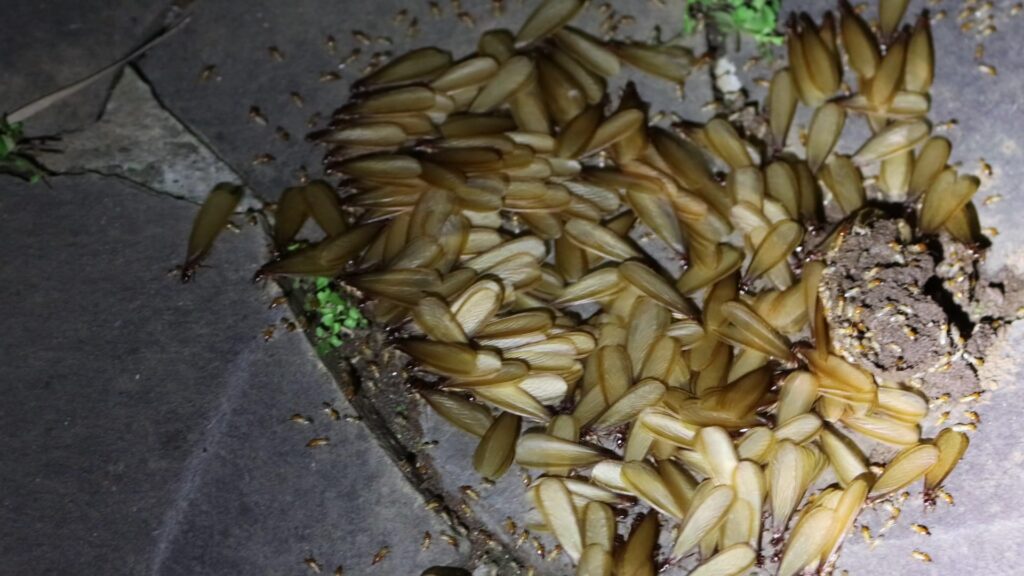
Blattodea undergo hemimetabolous development, with egg, nymph, and adult stages. Cockroaches typically produce egg cases known as oothecae, while termites exhibit complex social organization, forming colonies with distinct castes such as workers, soldiers, and reproductive individuals (kings and queens).
Ecologically, Blattodea plays a crucial role in nutrient cycling and decomposition, especially through the activities of termites, which break down cellulose and contribute to soil formation. While some cockroach species are considered pests due to their association with human environments, the majority of species are harmless and contribute positively to ecosystem functioning.