Bali Wildlife
Every Spices Matter


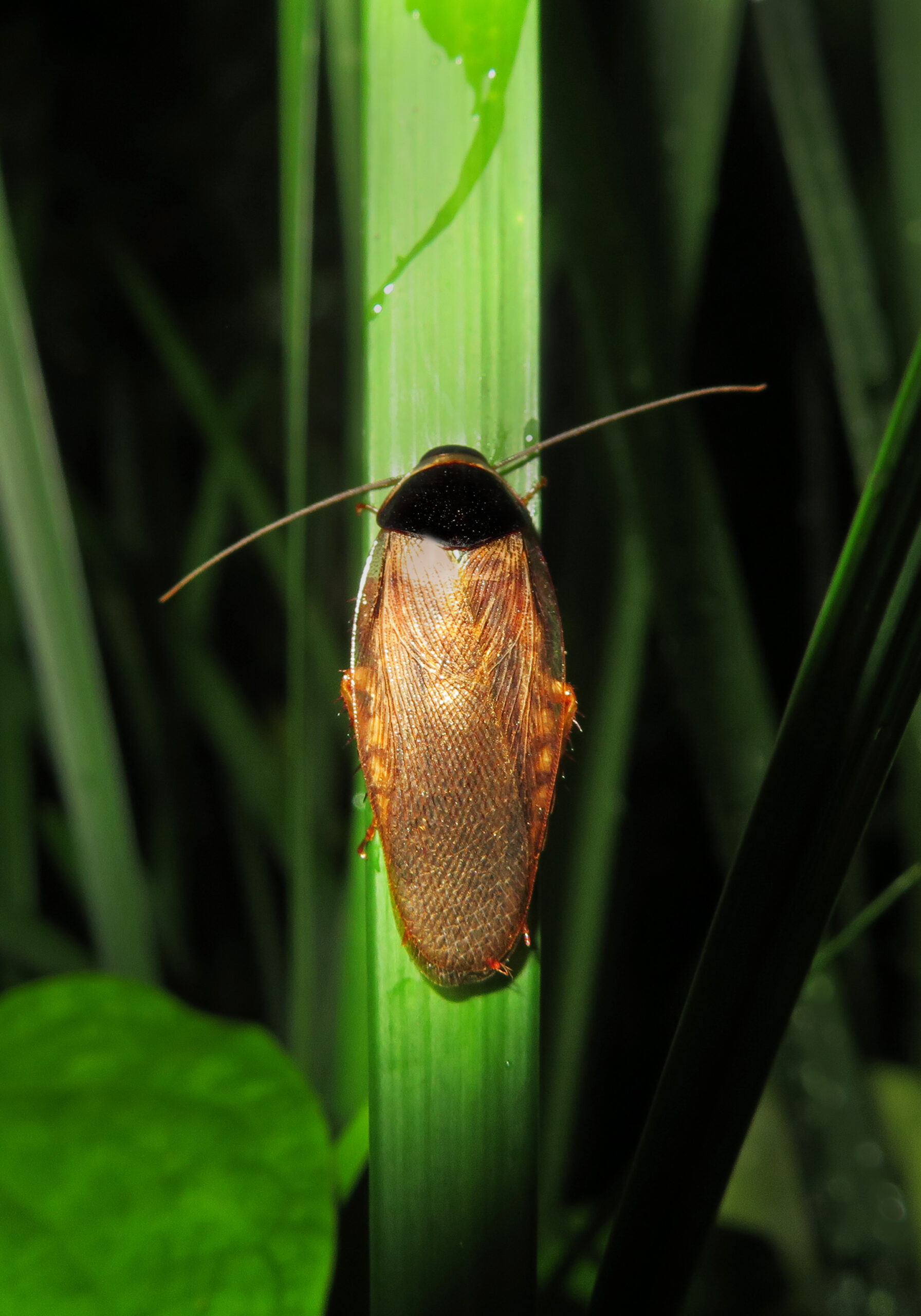
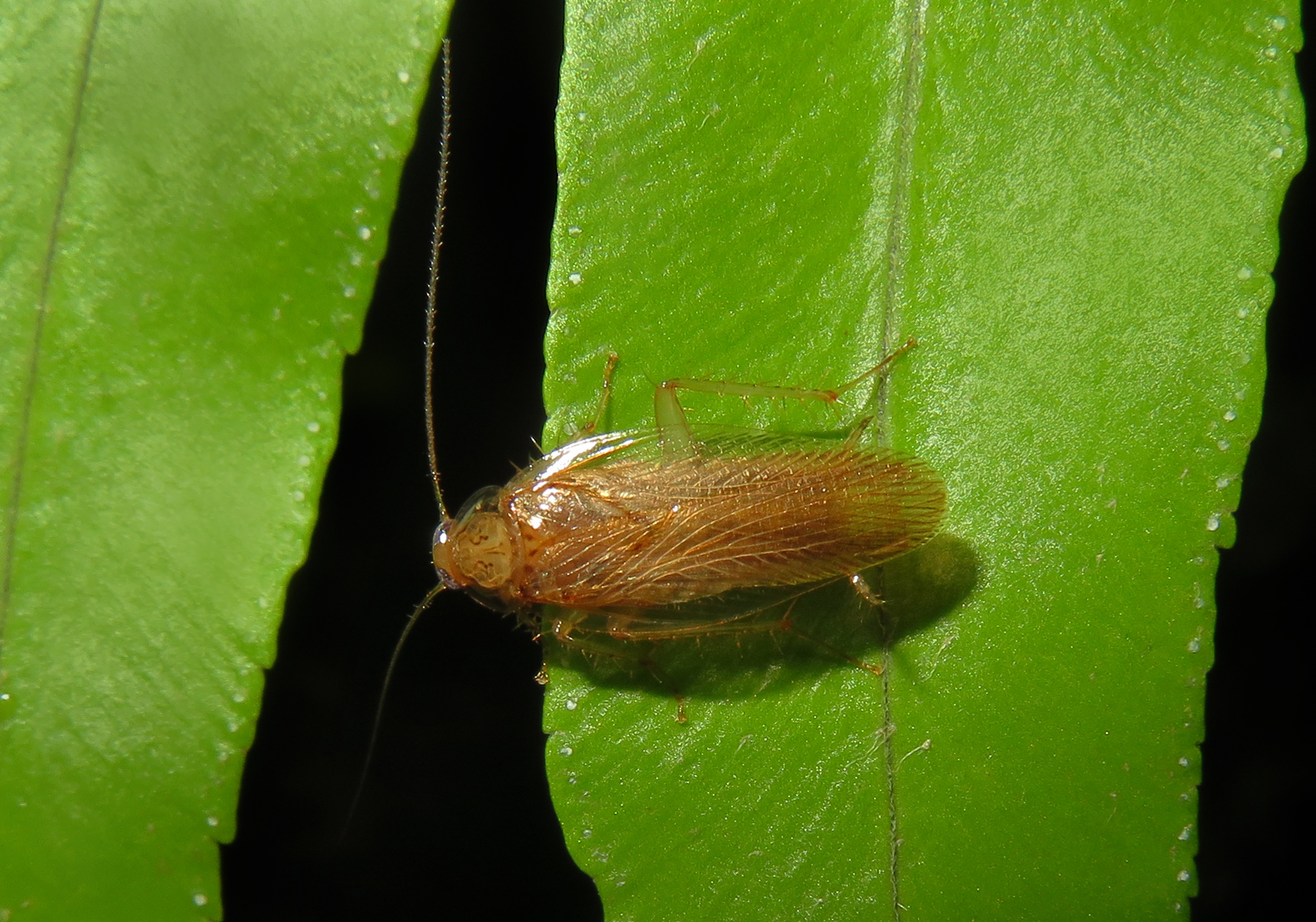
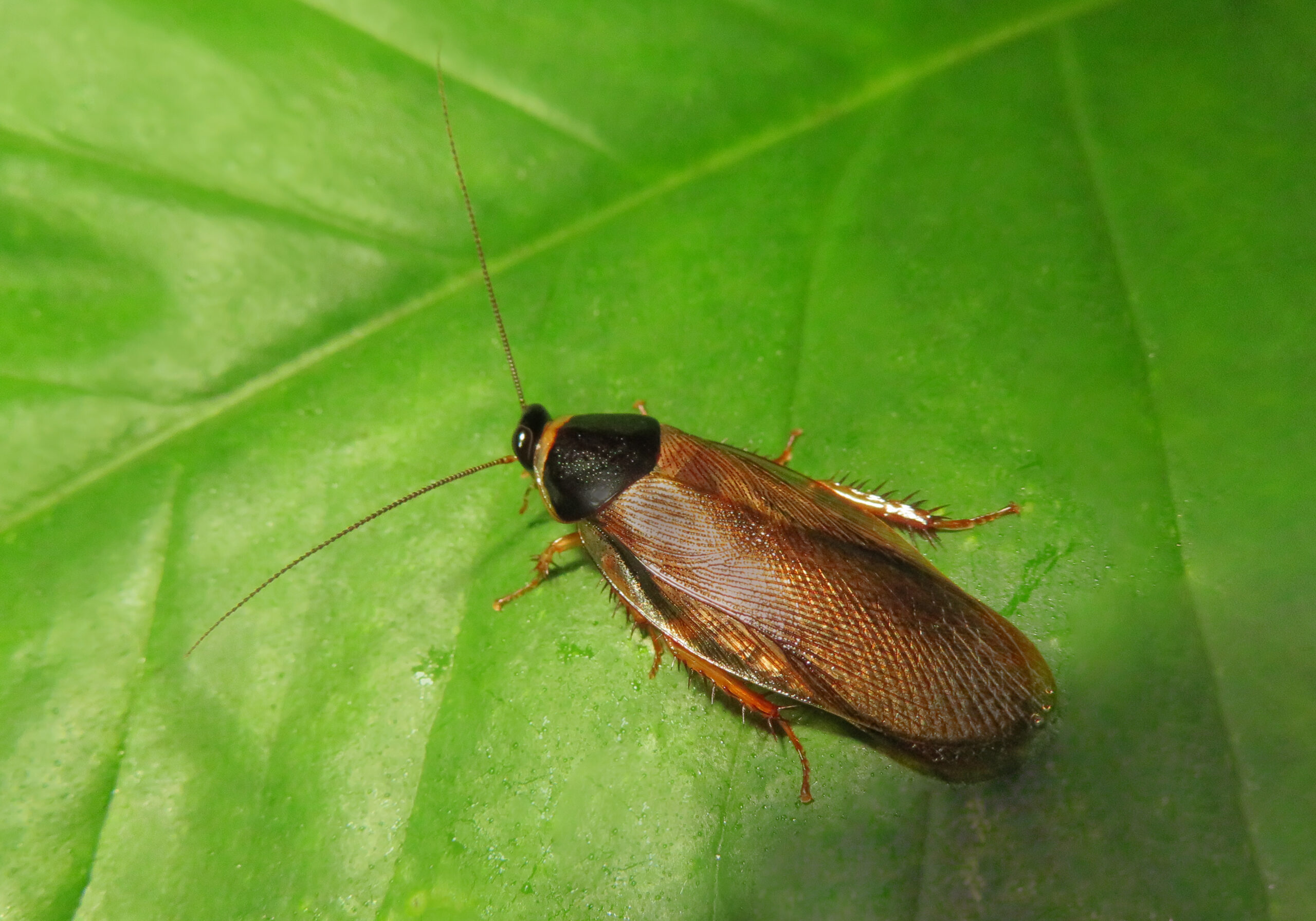
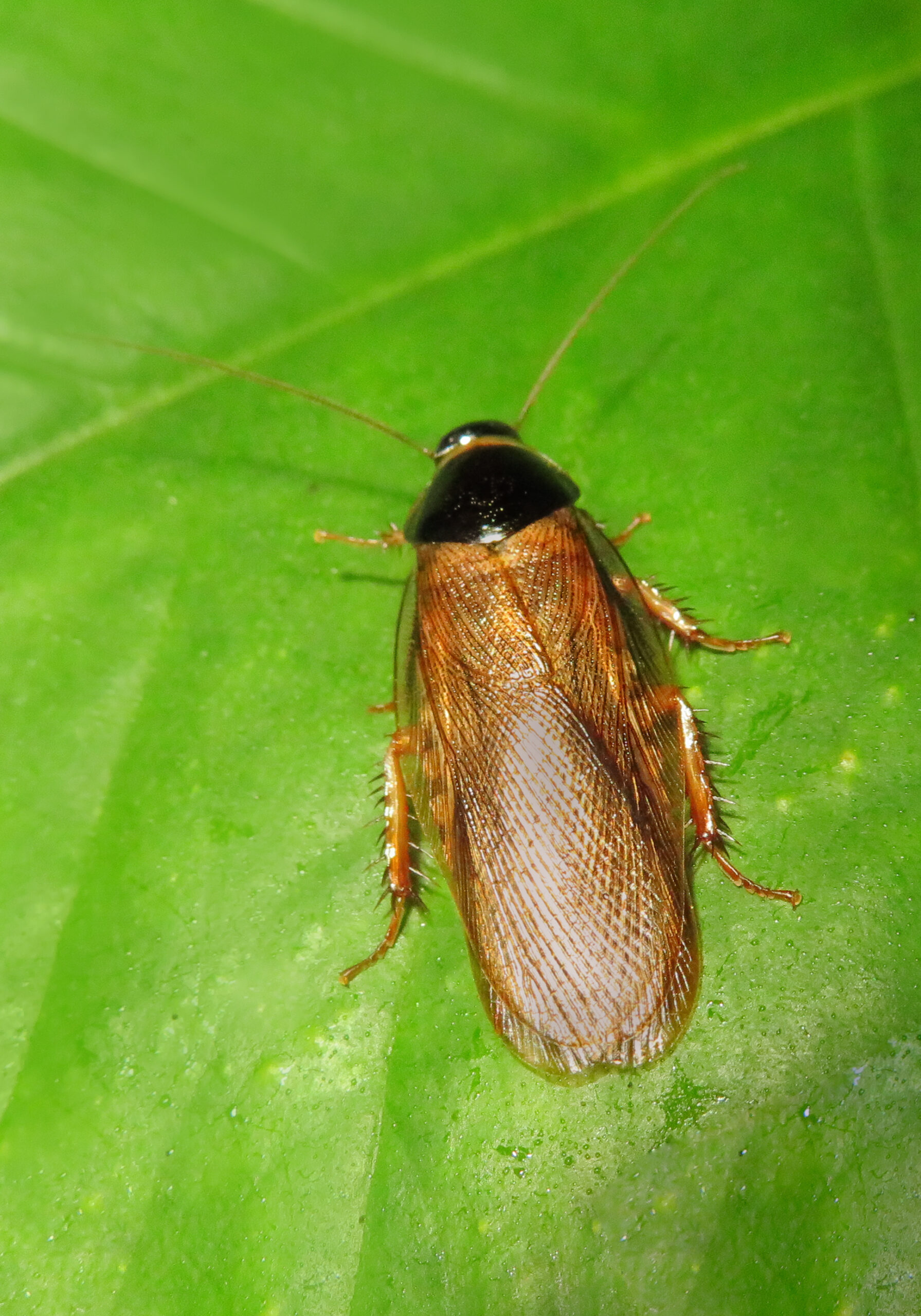
Blaberoidea is a major superfamily within the order Blattodea (Class Insecta), comprising a diverse group of cockroaches that are primarily distributed in tropical and subtropical regions. Members of this superfamily are especially abundant in forest ecosystems, where they inhabit leaf litter, decaying wood, soil, and vegetation, although some species also occur in caves and human-modified environments.
Cockroaches of Blaberoidea are generally medium to large in size and often have a broad, flattened, oval body typical of the order. The head is usually concealed beneath a well-developed pronotum, and the antennae are long and filamentous. Legs are adapted for running, and many species are capable of rapid movement. Wings are often well developed, though some species exhibit reduced wings or are entirely wingless, particularly in forest-floor dwellers.
Blaberoid cockroaches are primarily omnivorous or detritivorous, feeding on decaying plant material, wood, fungi, and other organic matter. Many species play an important ecological role as decomposers, contributing to nutrient cycling in forest ecosystems. Some species have specialized gut symbionts that aid in the digestion of cellulose and other complex organic compounds.
Reproduction in Blaberoidea shows considerable diversity. Unlike many other cockroaches, numerous blaberoid species exhibit ovoviviparity or viviparity, in which eggs develop within the female’s body and nymphs are born live. This reproductive strategy enhances offspring survival in stable environments such as tropical forests. Development is hemimetabolous, with nymphs resembling smaller versions of adults.
The superfamily Blaberoidea includes several important families, most notably Blaberidae (giant cockroaches), Ectobiidae (wood cockroaches, in some classifications), and related groups. Members of these families vary widely in size, coloration, and behavior, ranging from small, cryptic species to large, conspicuous forms.
Ecologically, Blaberoidea plays a crucial role in decomposition and nutrient recycling, particularly in tropical ecosystems. While a few species may be considered pests, the vast majority are harmless and beneficial, contributing to soil health and the breakdown of organic material in natural environments.