Bali Wildlife
Every Spices Matter


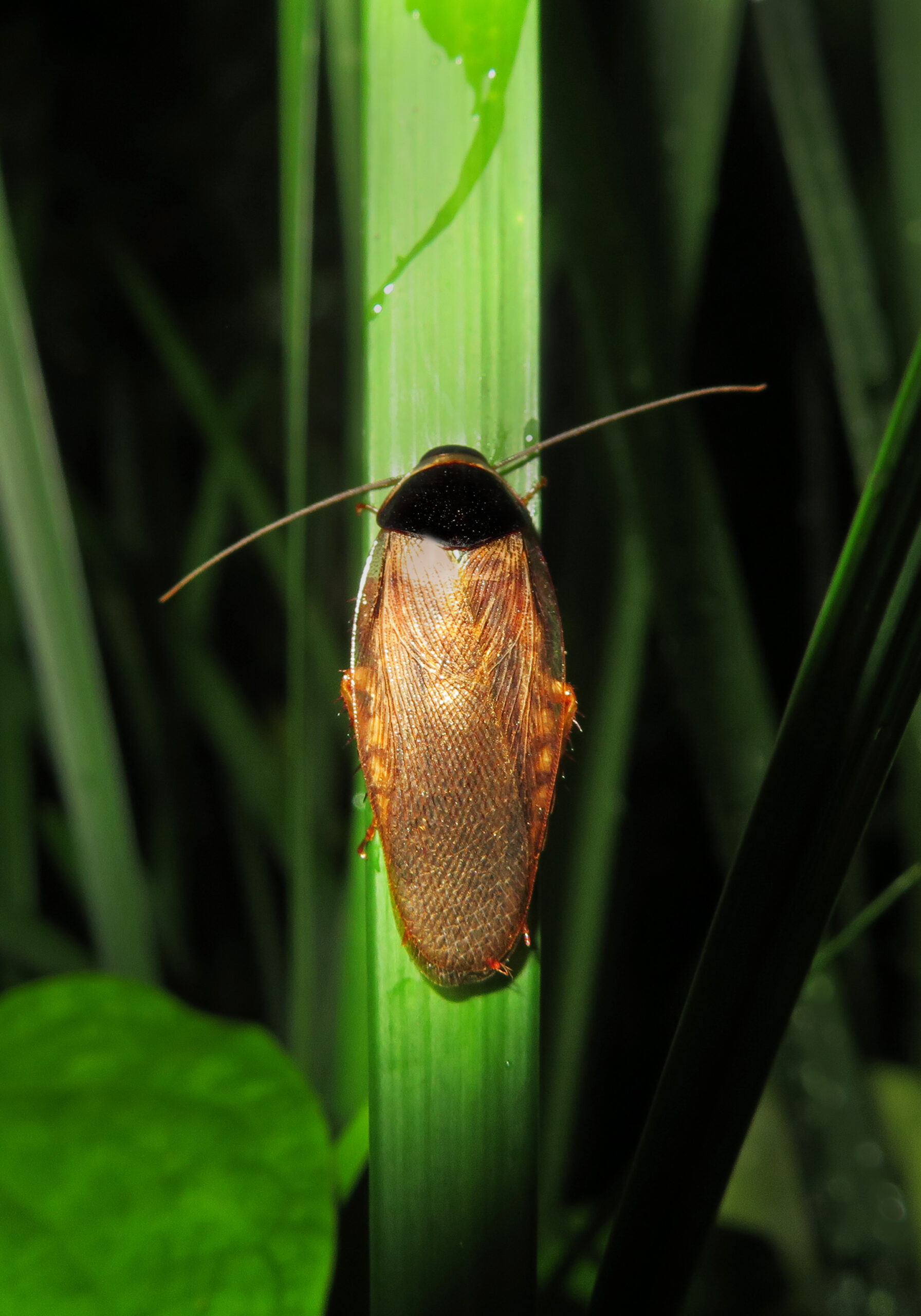
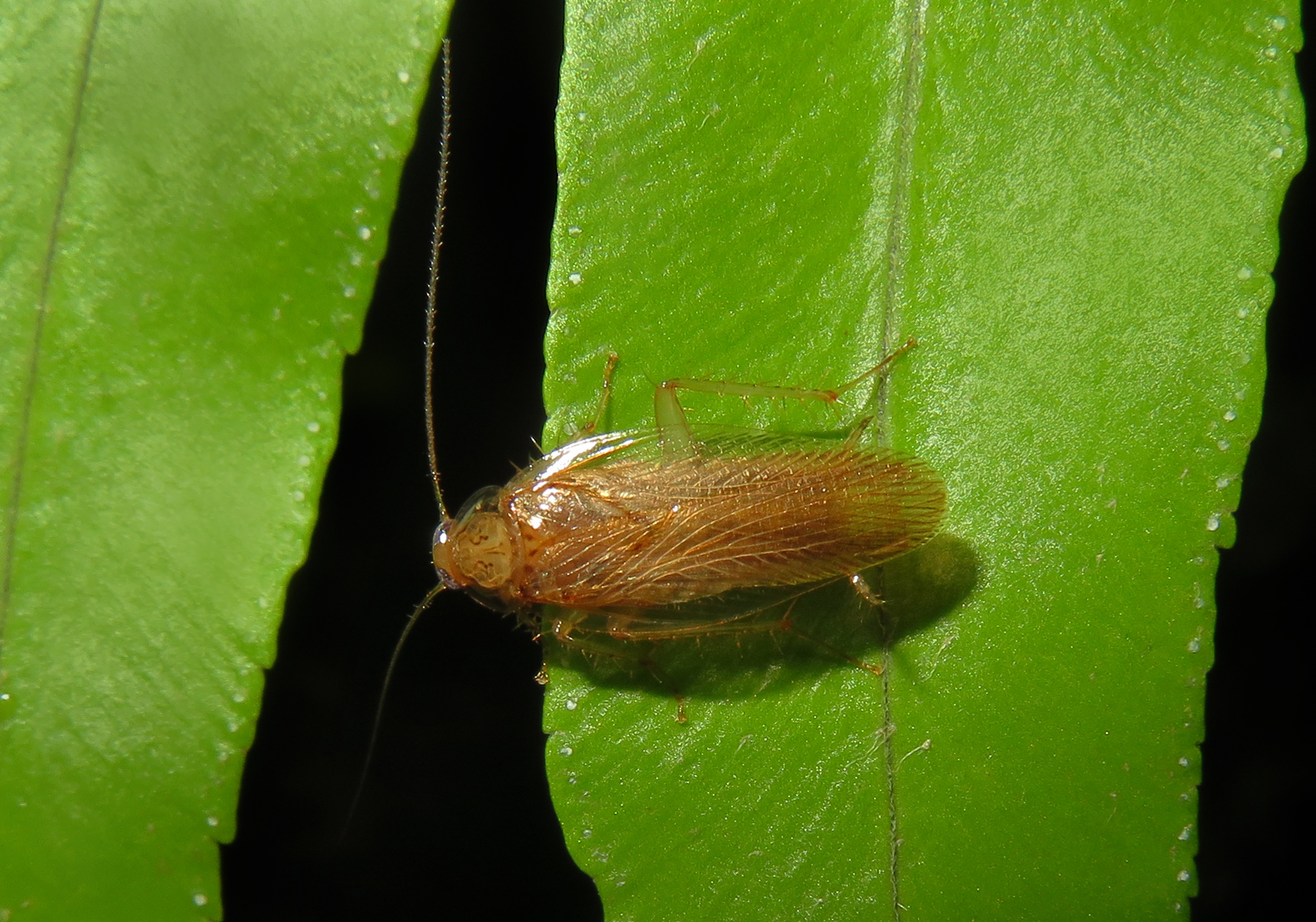
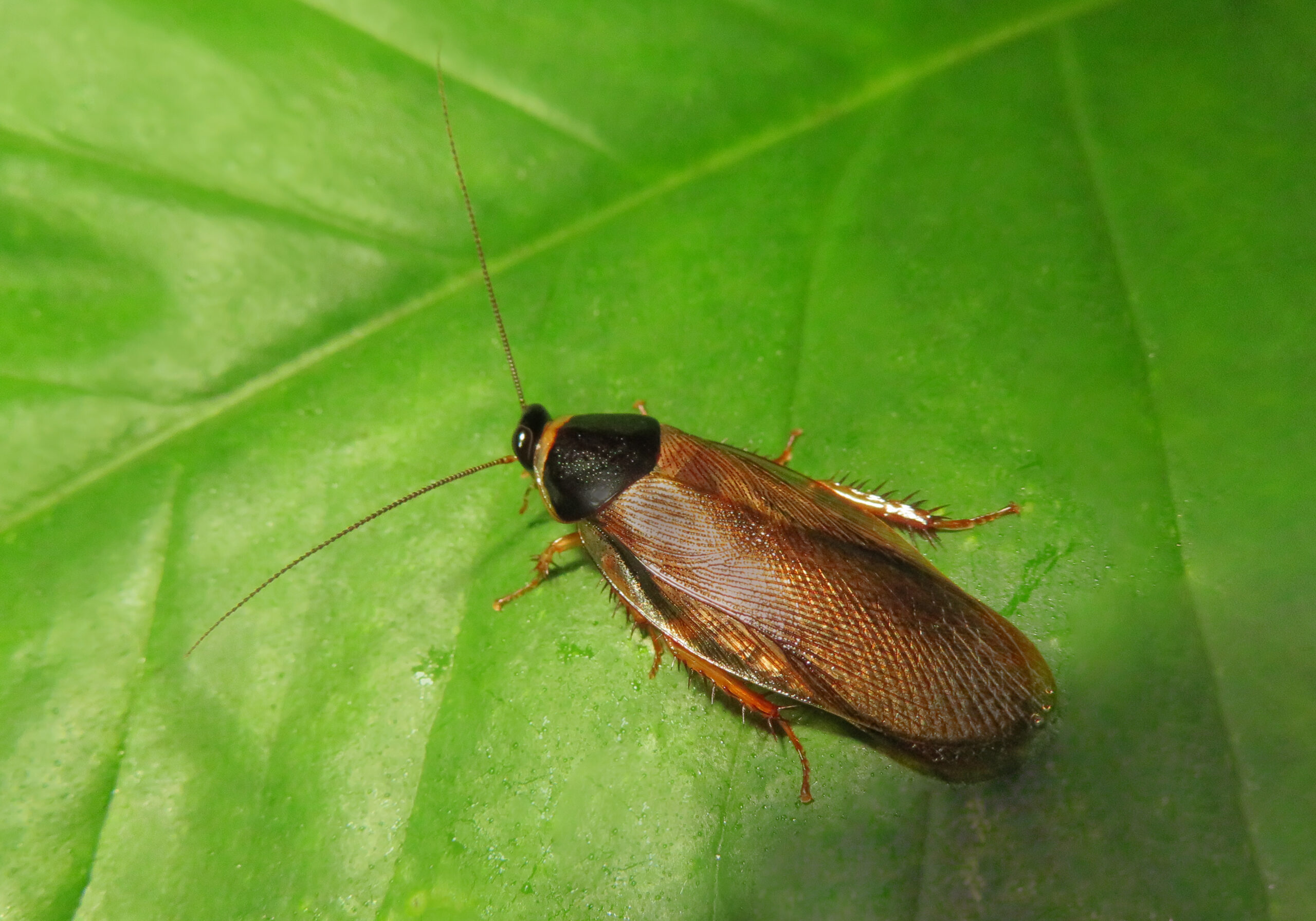
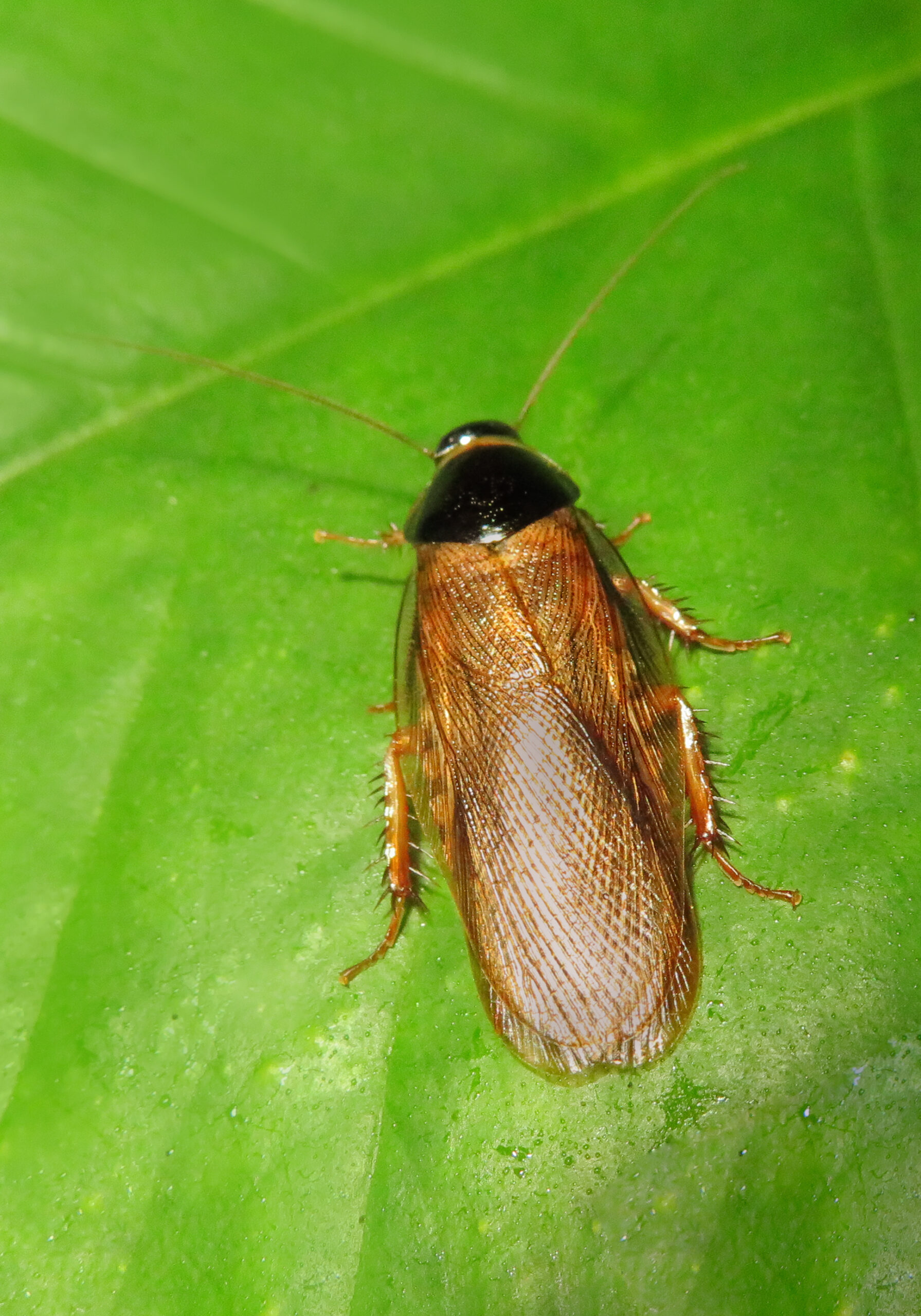
Blaberidae is a large and diverse family of cockroaches within the superfamily Blaberoidea (Order Blattodea). Members of this family are commonly referred to as giant cockroaches and are predominantly distributed in tropical and subtropical regions around the world, particularly in forests where humidity and organic matter are abundant.
Blaberid cockroaches are generally medium to very large in size and have a broad, flattened, oval body typical of cockroaches. The head is partly concealed beneath a large pronotum, and the antennae are long and filamentous. Many species have well-developed wings, although some are short-winged or wingless, especially those adapted to life in leaf litter or confined habitats. Coloration is usually brown, reddish, or black, sometimes with patterned markings.
A distinguishing feature of Blaberidae is their reproductive strategy. Many species are ovoviviparous or viviparous, meaning that eggs develop inside the female’s body and nymphs are born live. This adaptation increases offspring survival, especially in stable environments such as tropical forests. Development is hemimetabolous, with nymphs resembling smaller, wingless adults.
Blaberidae are primarily detritivorous or omnivorous. They feed on decaying plant material, wood, leaf litter, fungi, and other organic debris, playing a major role in decomposition and nutrient cycling. Some species maintain symbiotic microorganisms in their digestive systems that help break down cellulose.
The family includes well-known genera such as Blaberus, Gromphadorhina (the Madagascar hissing cockroach), Archimandrita, and Diploptera. Many species are popular in scientific research and as feeder insects or pets due to their large size and relatively docile behavior.
Ecologically, Blaberidae are important decomposers in tropical ecosystems, contributing to soil formation and nutrient recycling. Although a few species may occasionally enter human habitats, most are harmless and play beneficial roles in maintaining ecosystem health.