Bali Wildlife
Every Spices Matter


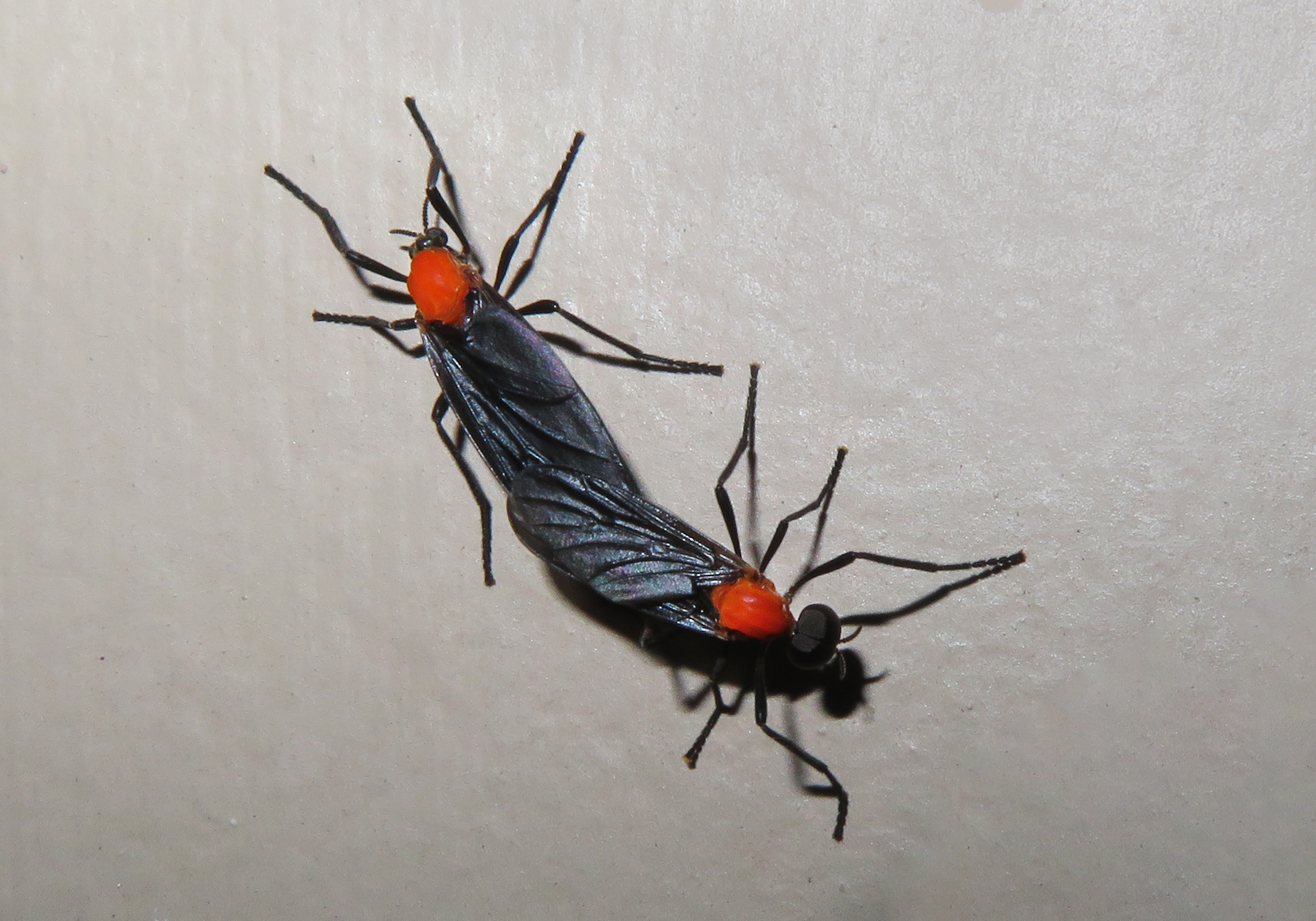
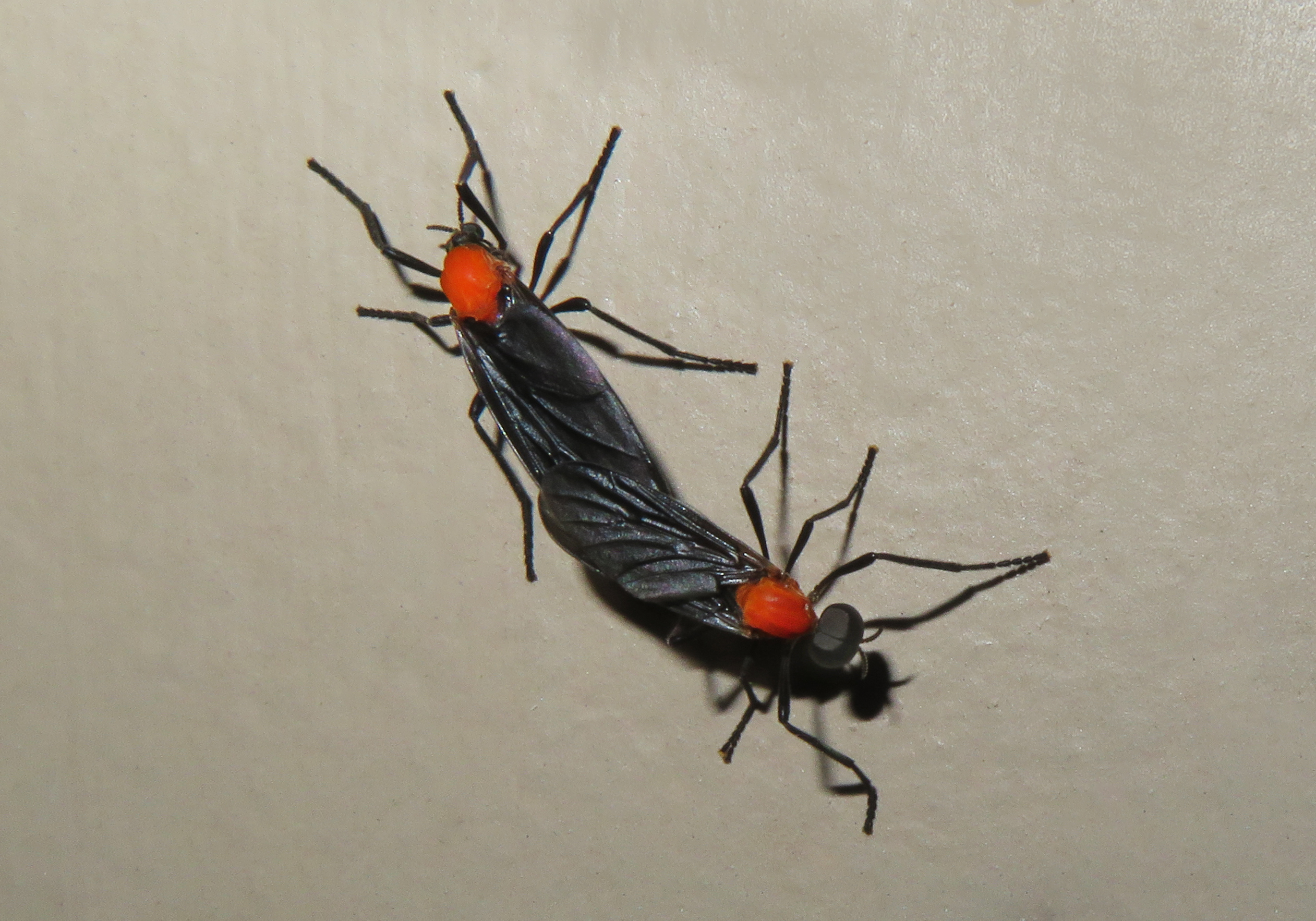
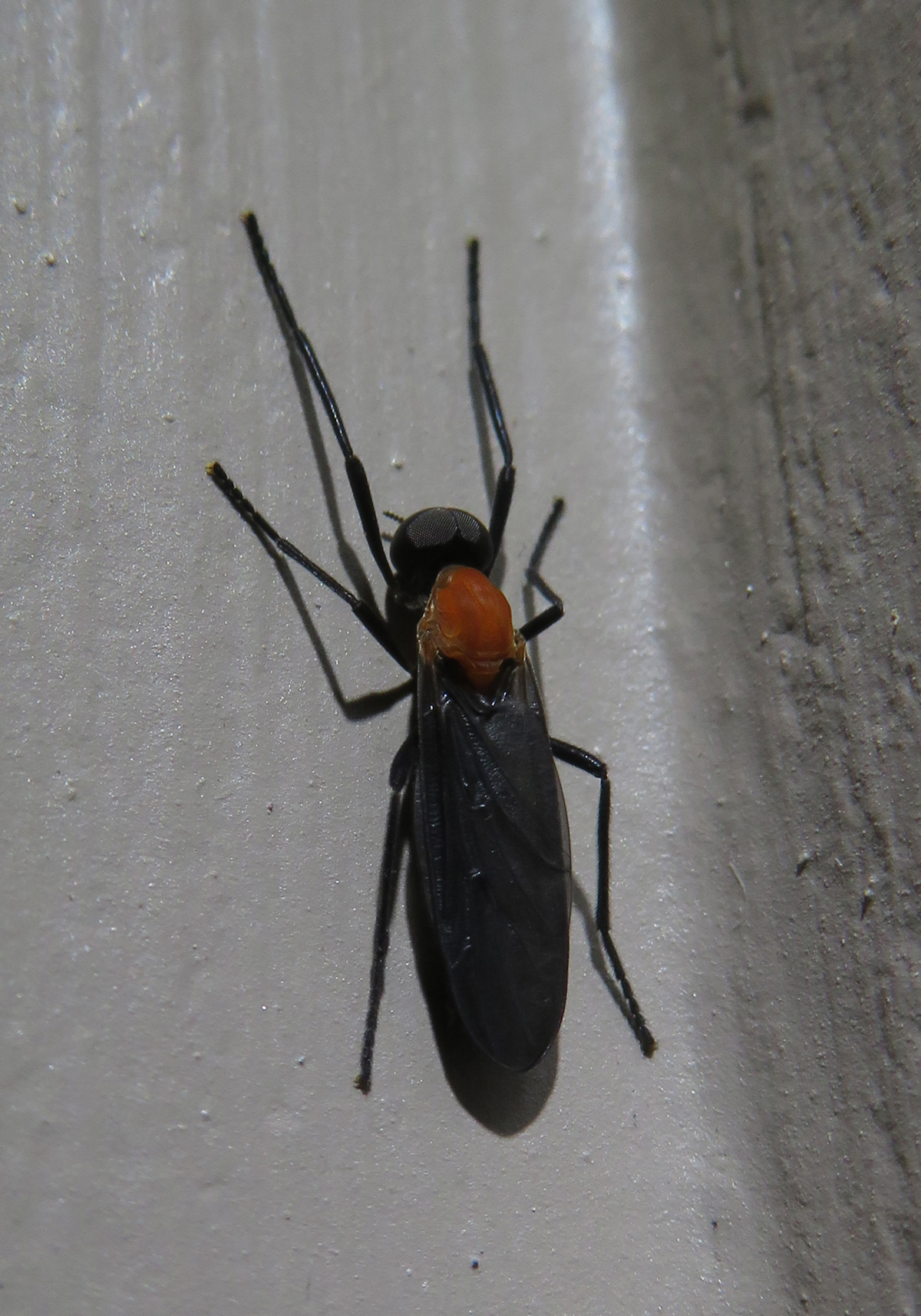
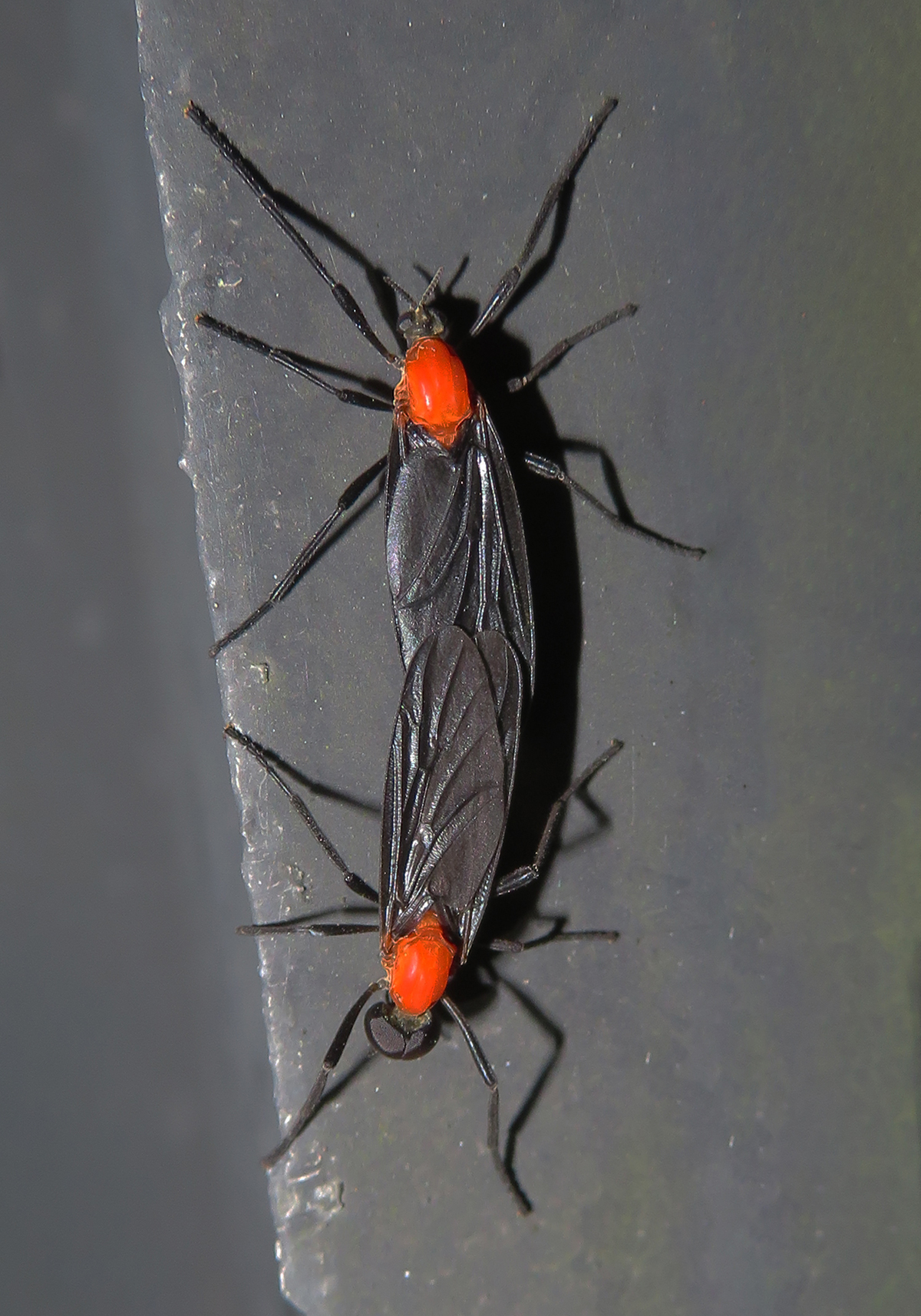
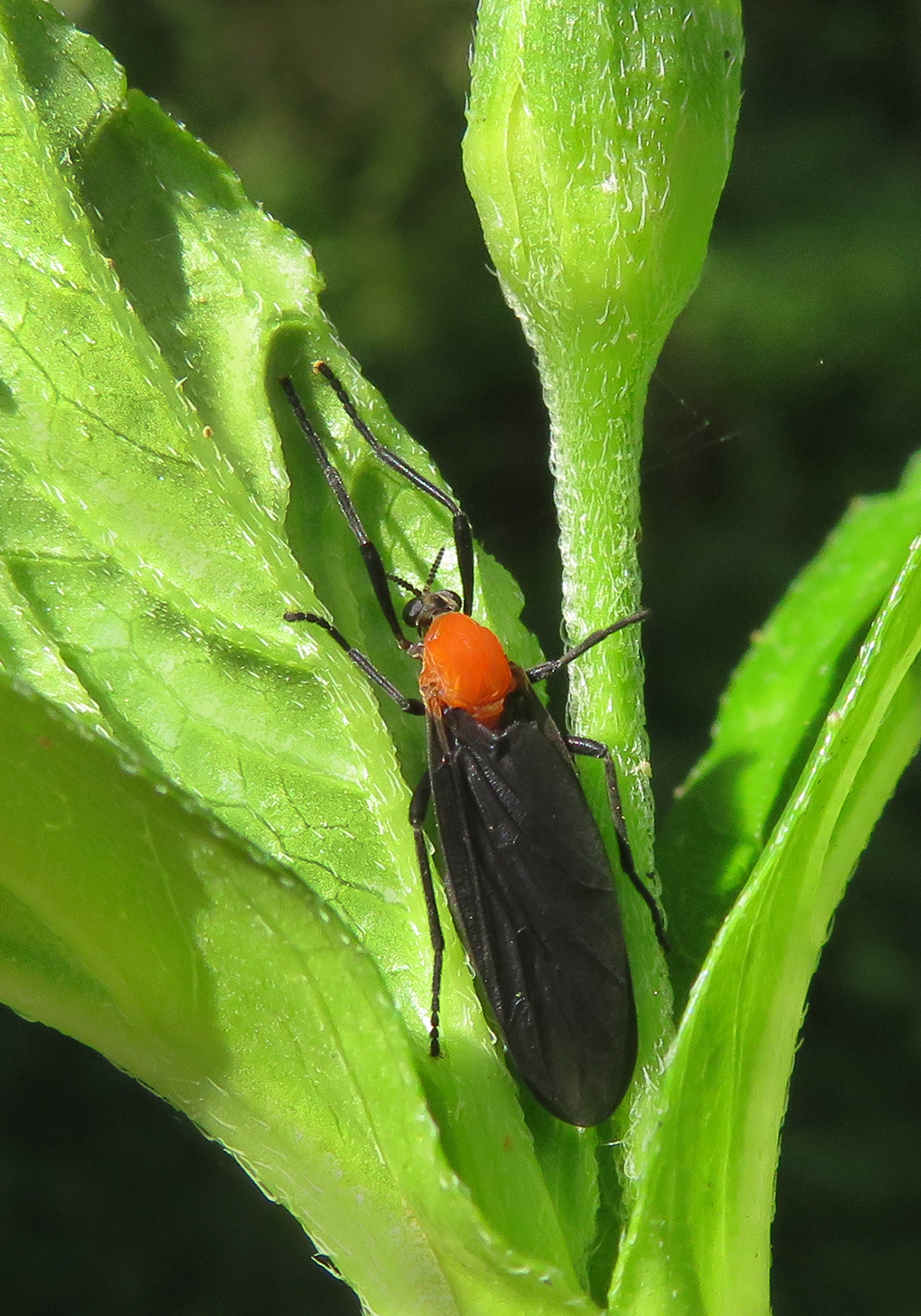
Bibionomorpha is an infraorder within the suborder Nematocera (Order Diptera), comprising a diverse group of small to medium-sized flies that include fungus gnats, march flies, gall midges, and their relatives. Members of this infraorder are distributed worldwide and are especially abundant in moist environments such as forests, wetlands, grasslands, and areas rich in organic matter.
Flies of Bibionomorpha are generally characterized by slender bodies, long legs, and relatively long, multi-segmented antennae, often with more than six segments. The head is usually small with well-developed compound eyes. Wings are typically clear or lightly marked and are held flat or slightly angled over the body at rest.
The life cycle involves complete metamorphosis. Larvae are commonly found in moist soil, decaying organic matter, fungi, or plant tissues. Many species are detritivorous or fungivorous, feeding on decomposing plant material or fungal growth. Others, such as gall midges (Cecidomyiidae), are phytophagous and induce the formation of plant galls.
Adults are often short-lived and may feed on nectar, plant fluids, or may not feed at all. Many species form swarms, particularly during mating periods, which can be a conspicuous feature in some habitats.
The infraorder includes several important families, such as Bibionidae (march flies), Mycetophilidae (fungus gnats), Sciaridae (dark-winged fungus gnats), and Cecidomyiidae (gall midges). These families exhibit a wide range of ecological roles and adaptations.
Ecologically, Bibionomorpha plays a significant role in decomposition, nutrient cycling, and plant–insect interactions. Larvae contribute to the breakdown of organic material and the recycling of nutrients, while some species influence plant growth through gall formation. They also serve as an important food source for other organisms, contributing to ecosystem dynamics.