

Subtribe Aularchina
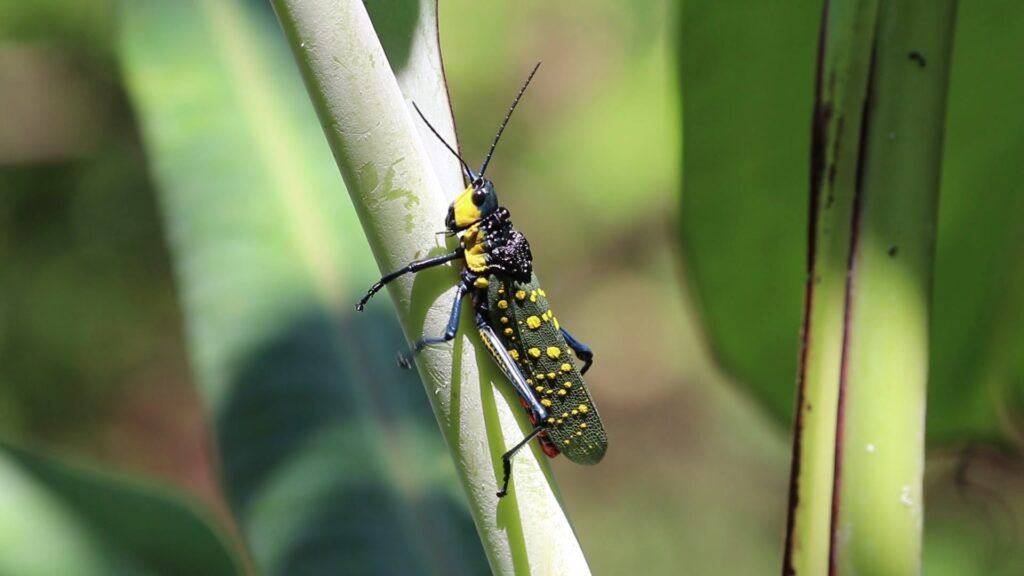
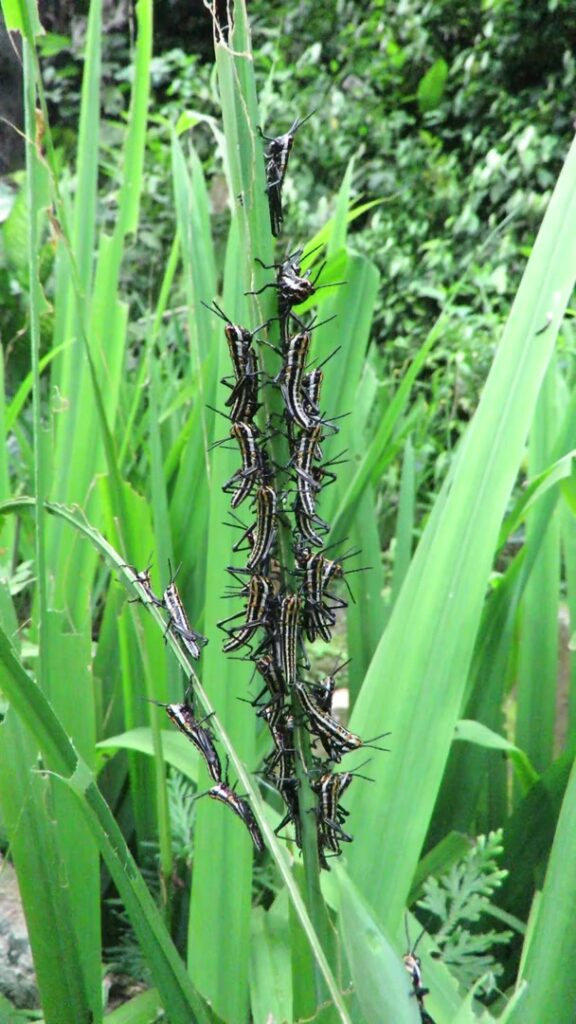
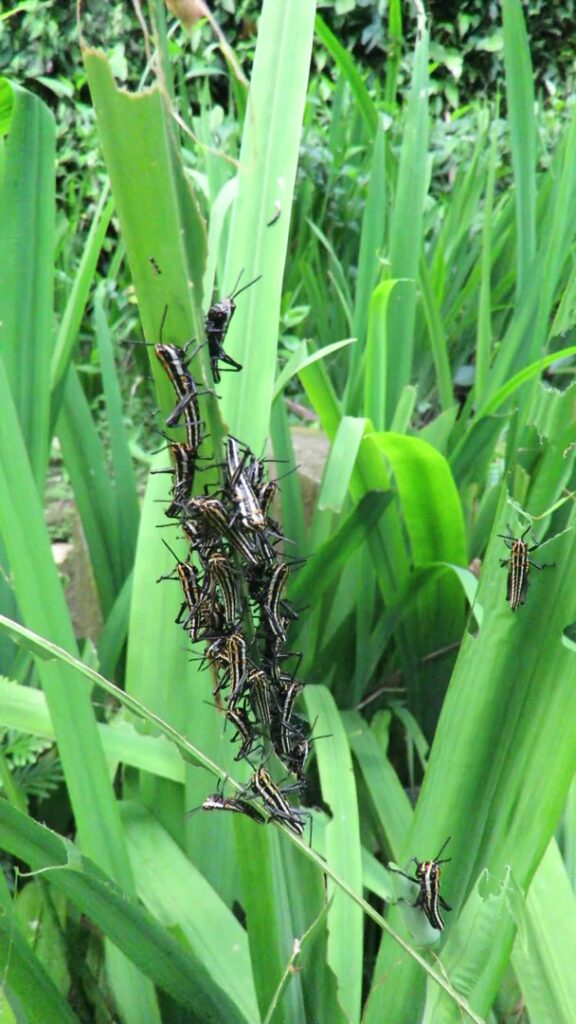
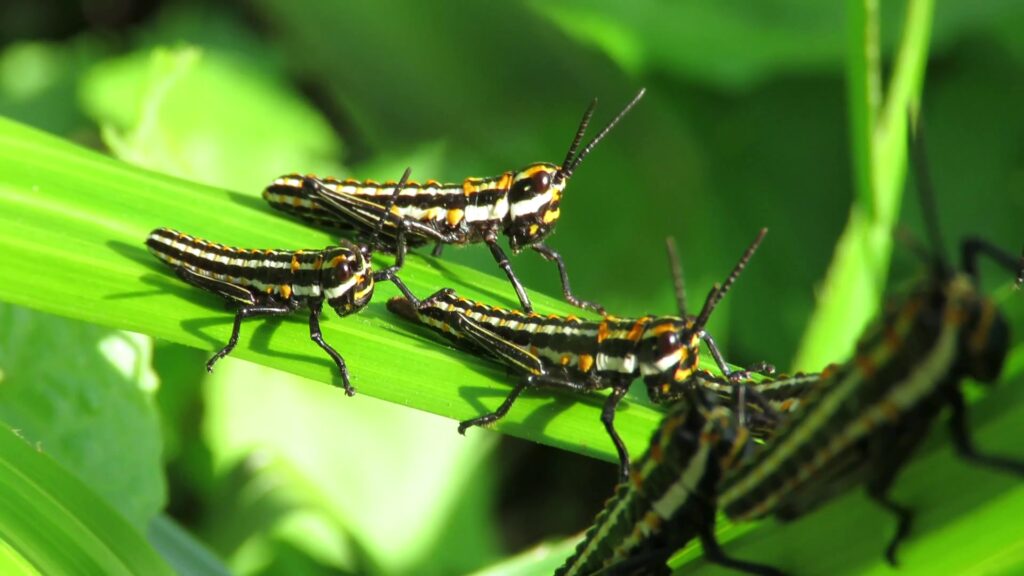
Aularchina is a taxonomic subtribe associated with the family Pyrgomorphidae, a group of short-horned grasshoppers belonging to the order Orthoptera. Pyrgomorphid grasshoppers are known for their varied body shapes, strong hind legs, and distinctive coloration, which may serve as camouflage or warning signals. The precise placement and composition of Aularchina should be interpreted according to the taxonomic classification being followed, as the classification of grasshopper groups can change with further morphological and evolutionary research.
Grasshoppers associated with this group share the general body plan of short-horned grasshoppers, including a relatively compact body, short antennae, and enlarged hind legs adapted for jumping. Their bodies are protected by a firm exoskeleton, while the shape of the head, pronotum, and wings provides important characteristics for identification. Depending on the species, coloration may include combinations of green, brown, yellow, orange, red, and black.
The pronotum, which covers the upper surface of the thorax, is an important feature in grasshopper taxonomy. Its shape, surface texture, and margins can vary among related groups. The head may also differ in length and shape, while wing development ranges from fully developed wings to shortened forms. These morphological characteristics help distinguish genera and species and are particularly important when external coloration alone is insufficient for identification.
Pyrgomorphid grasshoppers occupy a variety of terrestrial habitats, including grasslands, scrublands, open woodland, forest margins, and agricultural areas. Vegetation provides food, shelter, and suitable sites for reproduction. The specific habitats and geographic range of Aularchina depend on the genera and species included in the subtribe, and these details require confirmation from specialist taxonomic sources.
Members of Pyrgomorphidae are generally herbivorous, feeding on leaves, shoots, flowers, and other plant tissues. Feeding preferences differ among species, with some consuming a broad range of plants and others showing closer associations with particular host plants. Their feeding activity influences vegetation and contributes to the transfer of energy from plants to other organisms within terrestrial ecosystems.
The life cycle follows the typical pattern of grasshoppers, consisting of egg, nymph, and adult stages. Females generally deposit eggs in soil or other suitable substrates. Young nymphs resemble smaller versions of adults and develop through successive molts before reaching maturity. Growth and reproduction are influenced by environmental conditions, including temperature, humidity, rainfall, and food availability.
Some pyrgomorphid grasshoppers display vivid coloration or possess chemical defenses that discourage predators, while others rely on camouflage to avoid detection. These strategies help them survive in environments where they are exposed to birds, reptiles, amphibians, spiders, and predatory insects. However, particular defensive adaptations should be attributed to Aularchina only when supported by observations of its constituent species.
As part of the broader diversity of Pyrgomorphidae, Aularchina is relevant to the study of grasshopper classification, morphology, and ecological adaptation. Accurate descriptions of its recognized genera, species, distribution, and diagnostic features depend on reliable taxonomic records. Continued research can help clarify its classification and evolutionary relationships.
Overall, Aularchina is a taxonomic name associated with the diversity of pyrgomorphid grasshoppers. Understanding the group requires attention to the anatomical characteristics, ecological habits, and evolutionary relationships of its constituent taxa. Further taxonomic study is important for establishing a more precise account of its diversity and place within the family Pyrgomorphidae.