Bali Wildlife
Every Spices Matter


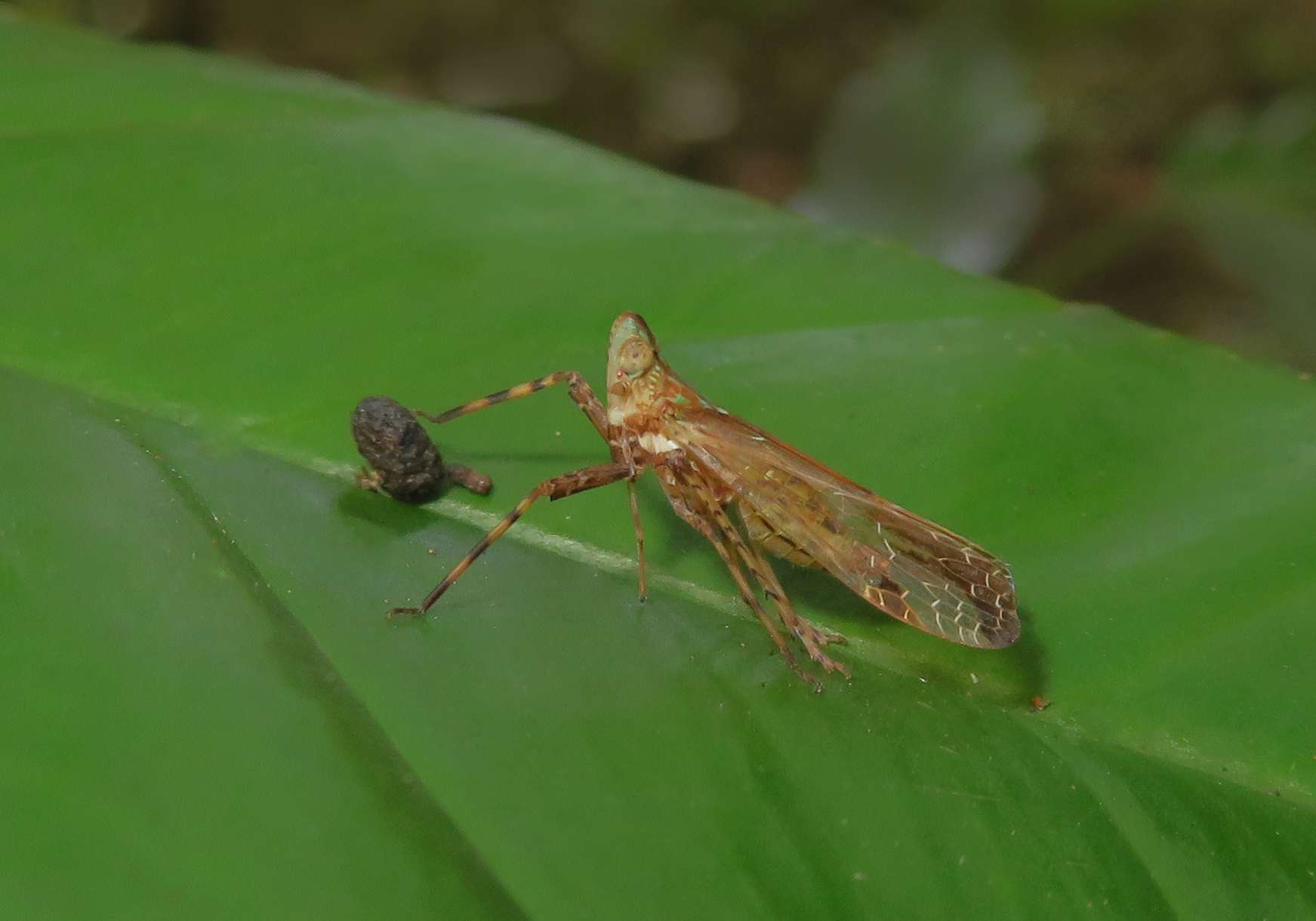
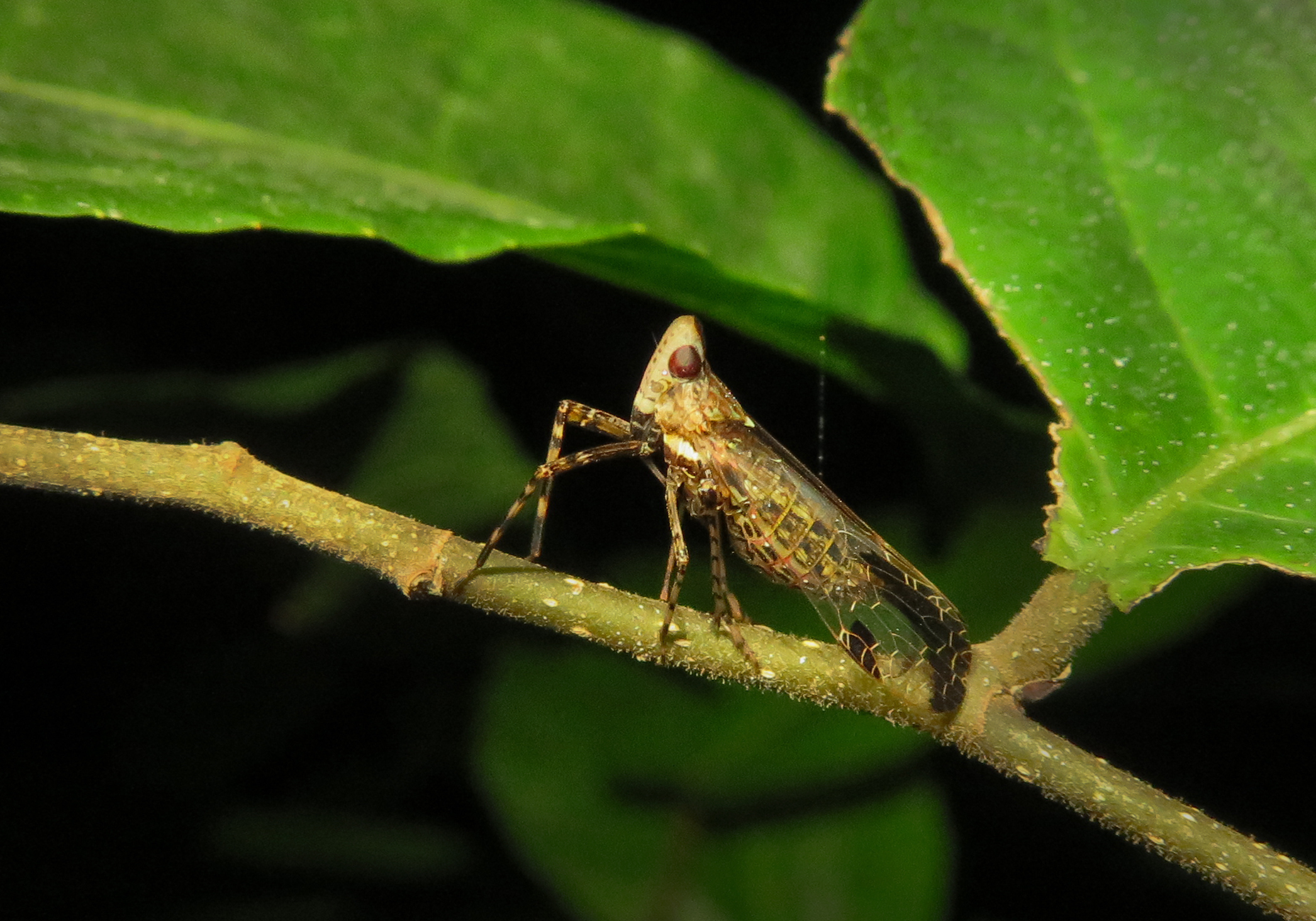
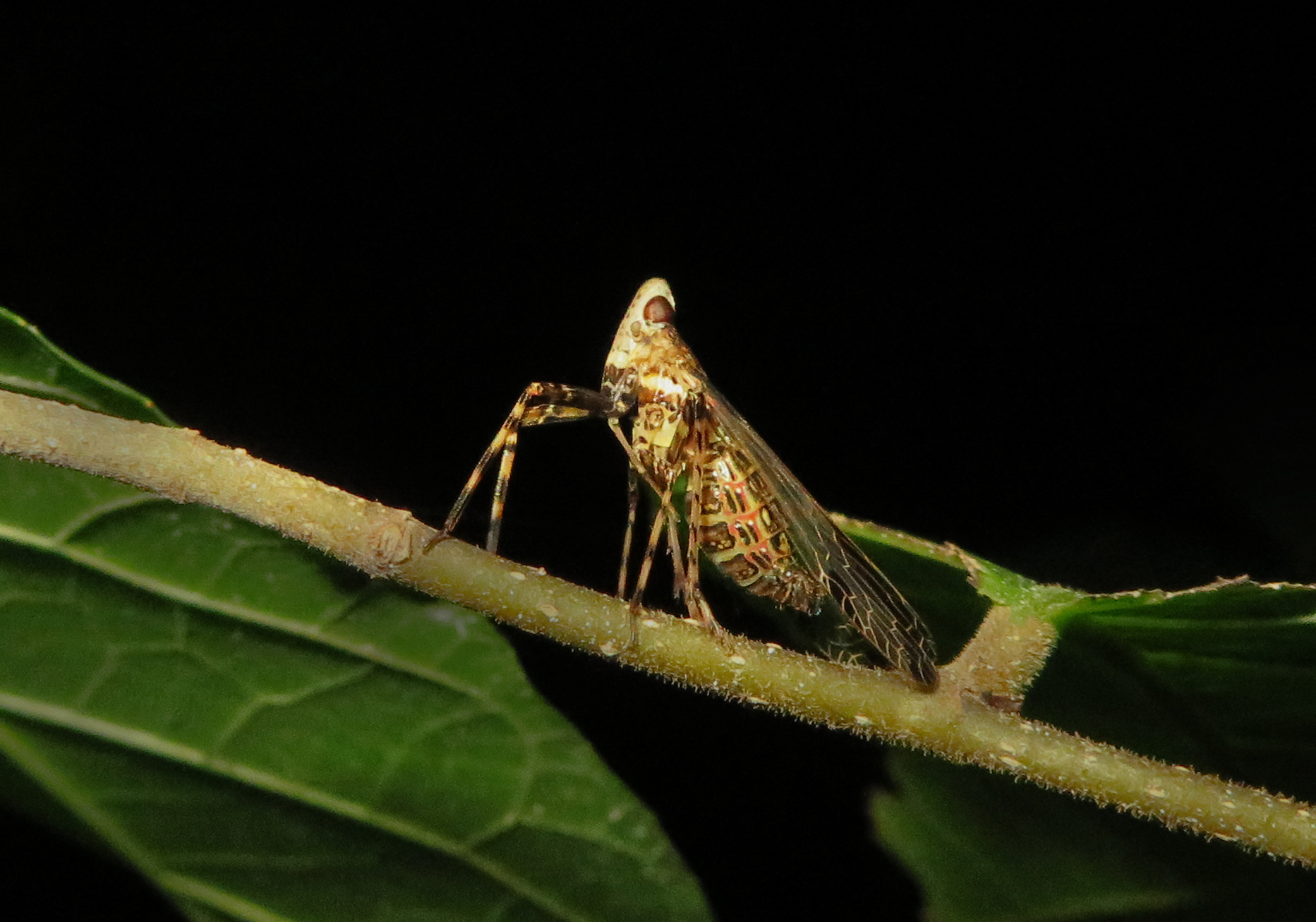
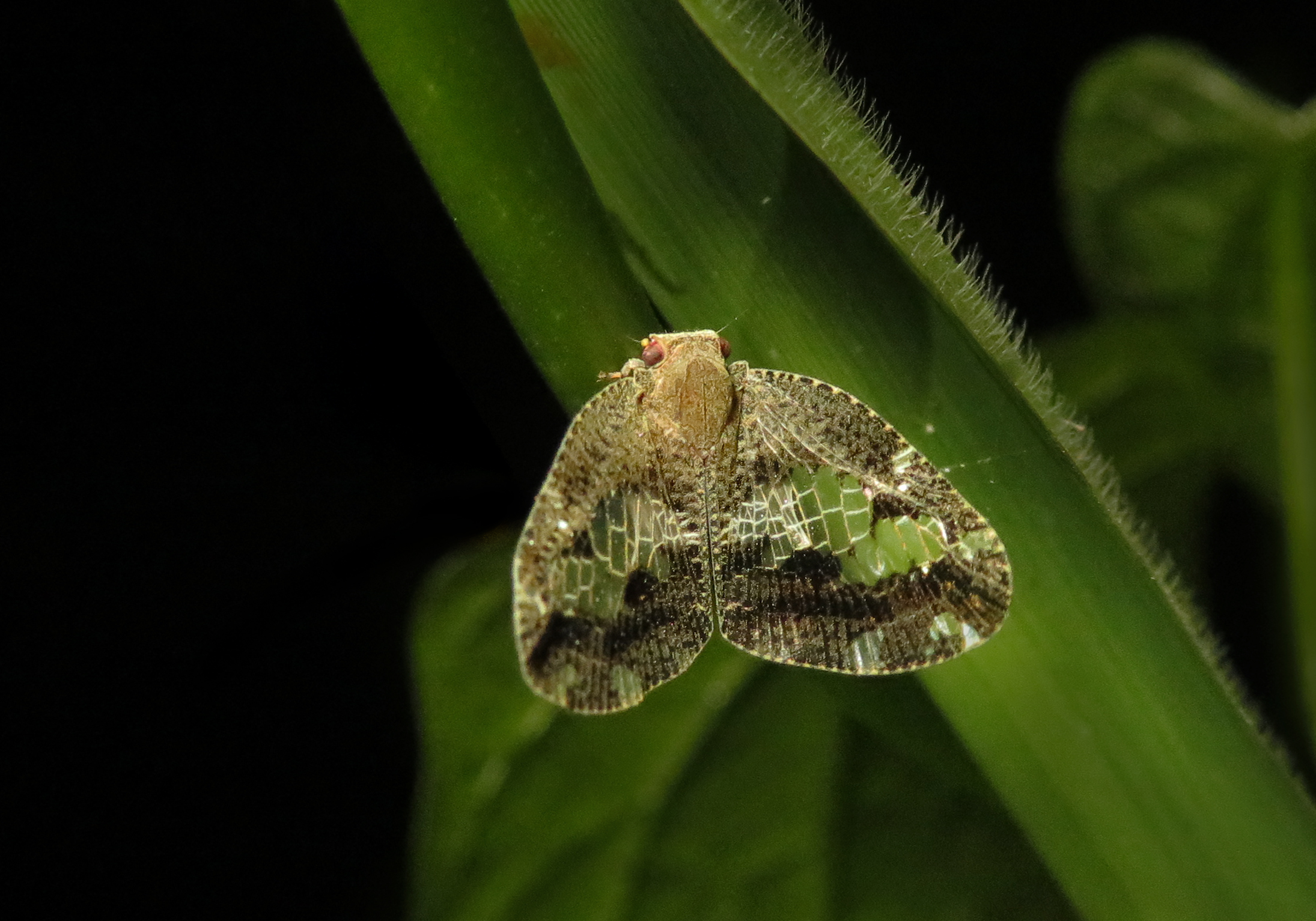
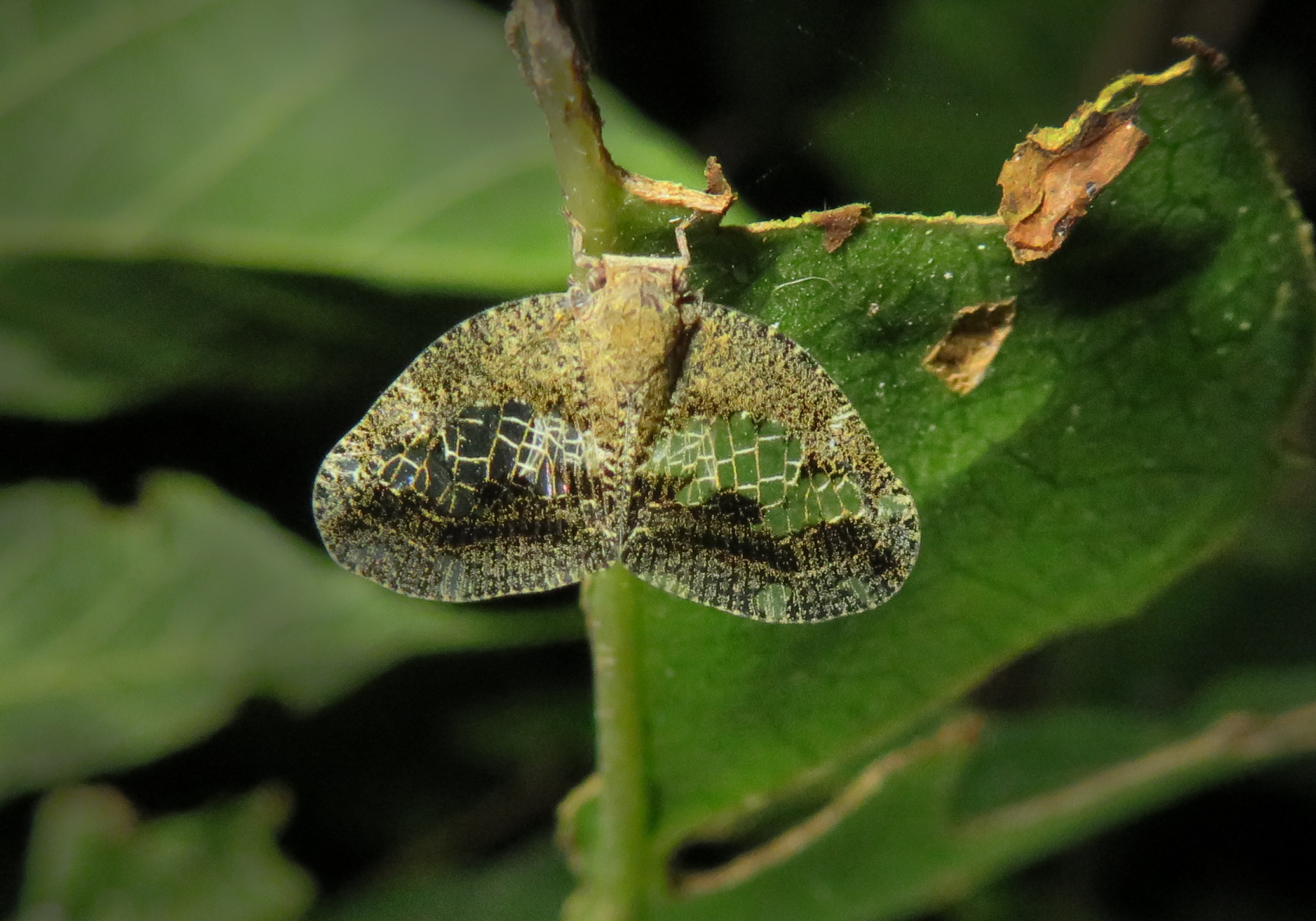
Auchenorrhyncha is a major suborder within the order Hemiptera, comprising insects commonly known as cicadas, leafhoppers, treehoppers, planthoppers, and spittlebugs. Members of this suborder are primarily phytophagous, feeding on plant sap extracted from vascular tissues using specialized piercing–sucking mouthparts. They are predominantly terrestrial and are especially diverse and abundant in vegetated habitats.
Auchenorrhynchans are typically characterized by a wedge-shaped or robust body, well-developed compound eyes, and a rostrum that arises from the posterior or ventral part of the head. The antennae are usually short and bristle-like. Most species possess well-developed wings, with the forewings often thickened or uniformly textured, and they are capable of strong jumping or flying, aided by powerful hind legs adapted for leaping.
Development in Auchenorrhyncha is hemimetabolous, with egg, nymph, and adult stages. Nymphs resemble adults in general form but lack fully developed wings and reproductive structures. Many species exhibit complex life histories, including subterranean or root-feeding nymphal stages, as seen in cicadas, or protective foam production by spittlebug nymphs.
Ecologically, Auchenorrhyncha play significant roles as herbivores and as prey for a wide range of predators. They are also important in agricultural systems, as some species are serious crop pests and vectors of plant pathogens, including bacteria and phytoplasmas. At the same time, they contribute to ecosystem functioning through energy transfer and nutrient cycling. The suborder encompasses several major families and superfamilies, reflecting a high degree of morphological, behavioral, and ecological diversity.