Bali Wildlife
Every Spices Matter


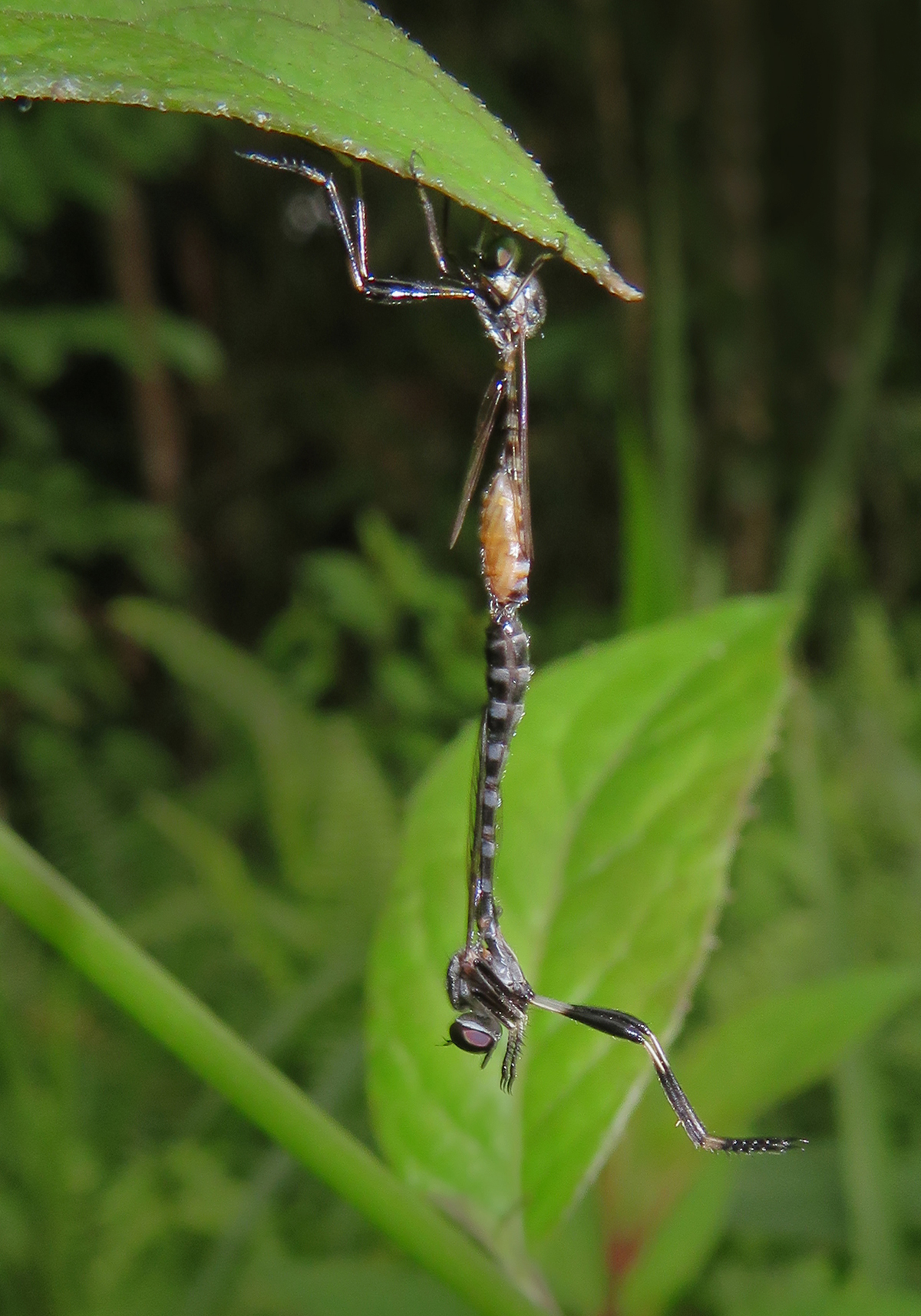
Asiloidea is a diverse superfamily within the suborder Brachycera (Order Diptera), comprising a wide range of predominantly predatory flies. Members of this superfamily are distributed worldwide and occur in many terrestrial habitats, including forests, grasslands, deserts, wetlands, and coastal areas. They are especially diverse in warm and arid regions.
Flies of the superfamily Asiloidea are generally small to large in size and often have an elongate, slender, or robust body form depending on the family. The head is typically well developed with large compound eyes, and the antennae are short, usually with a stylus or arista. Many species have strong legs and are capable of agile flight.
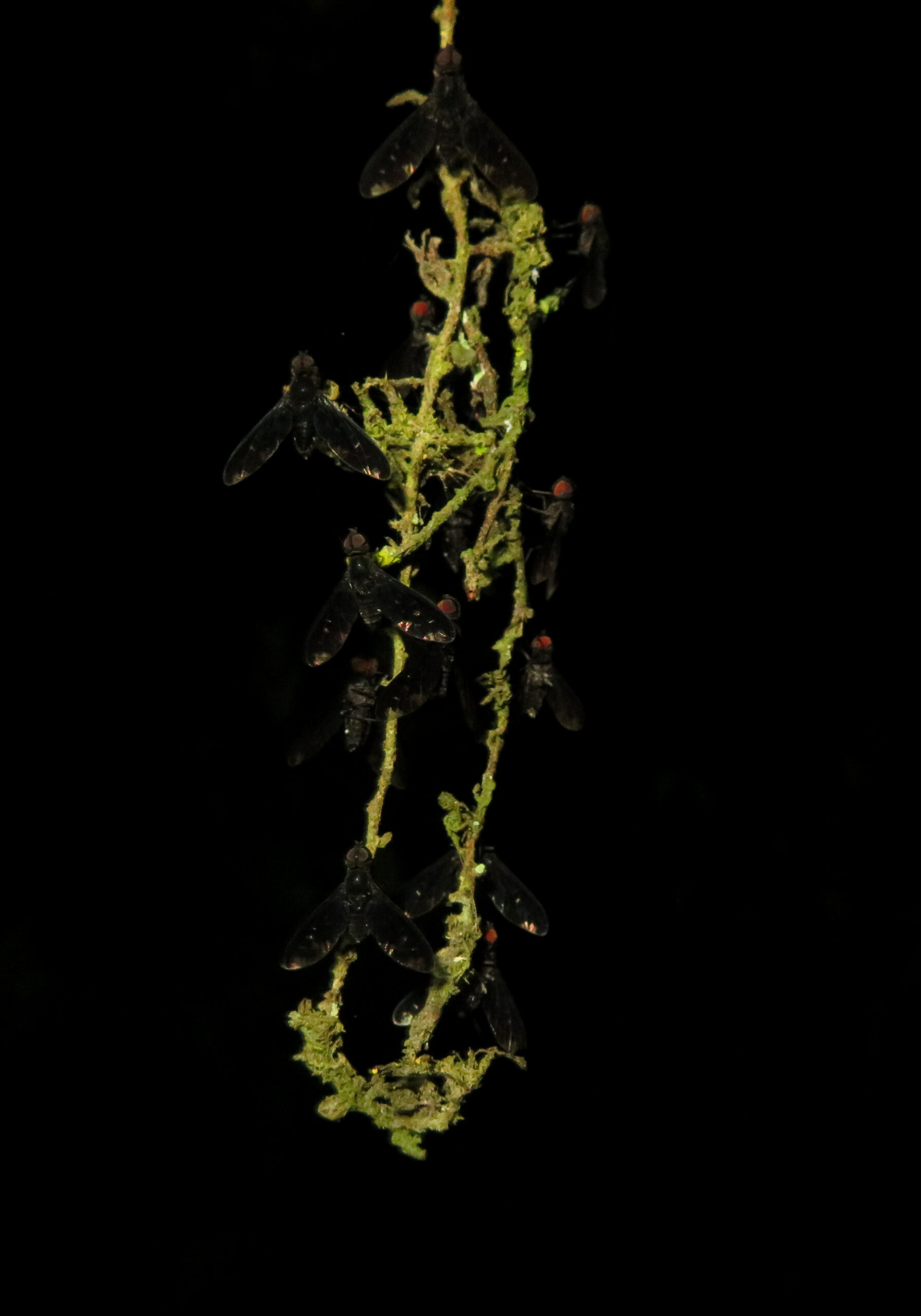
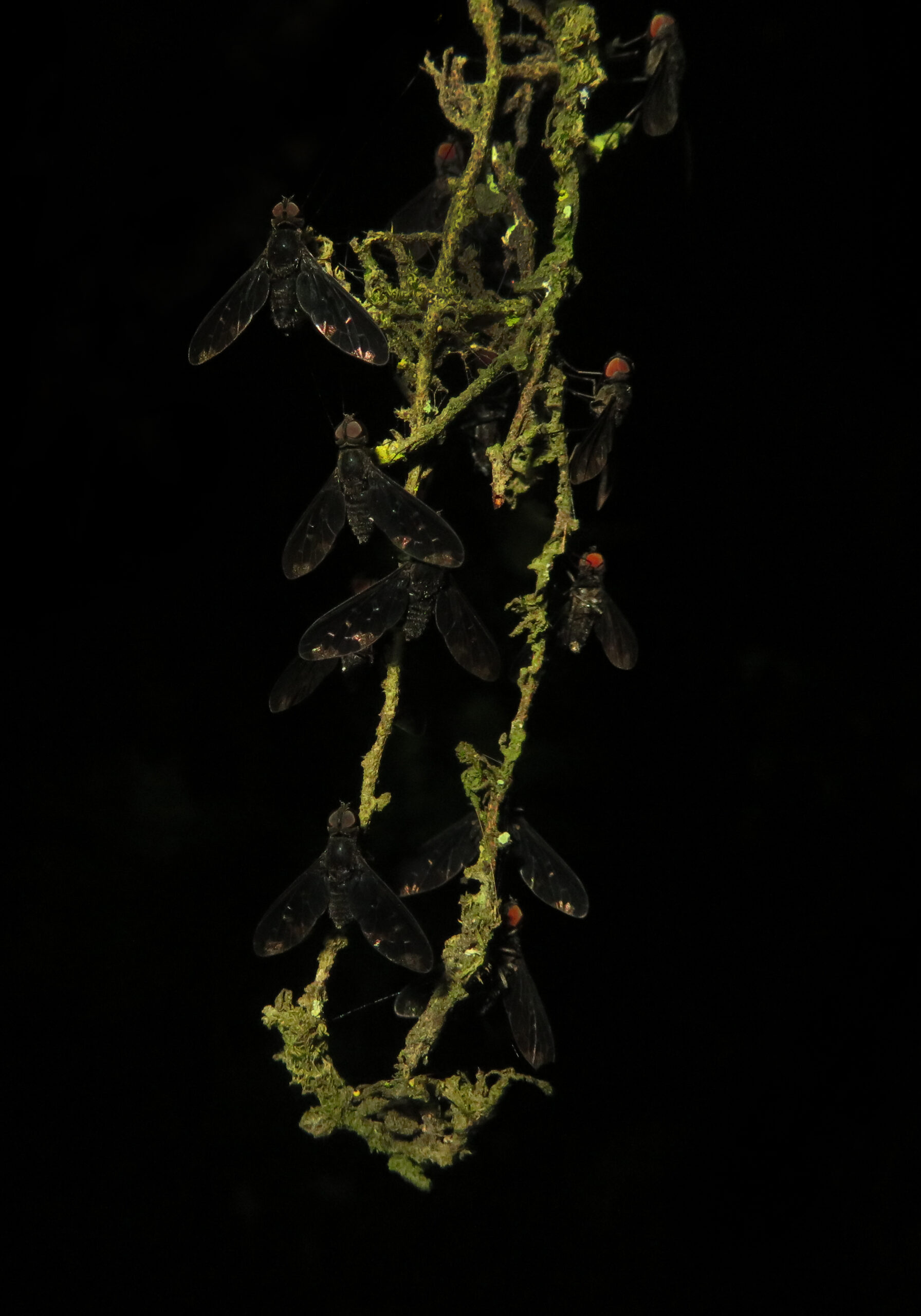
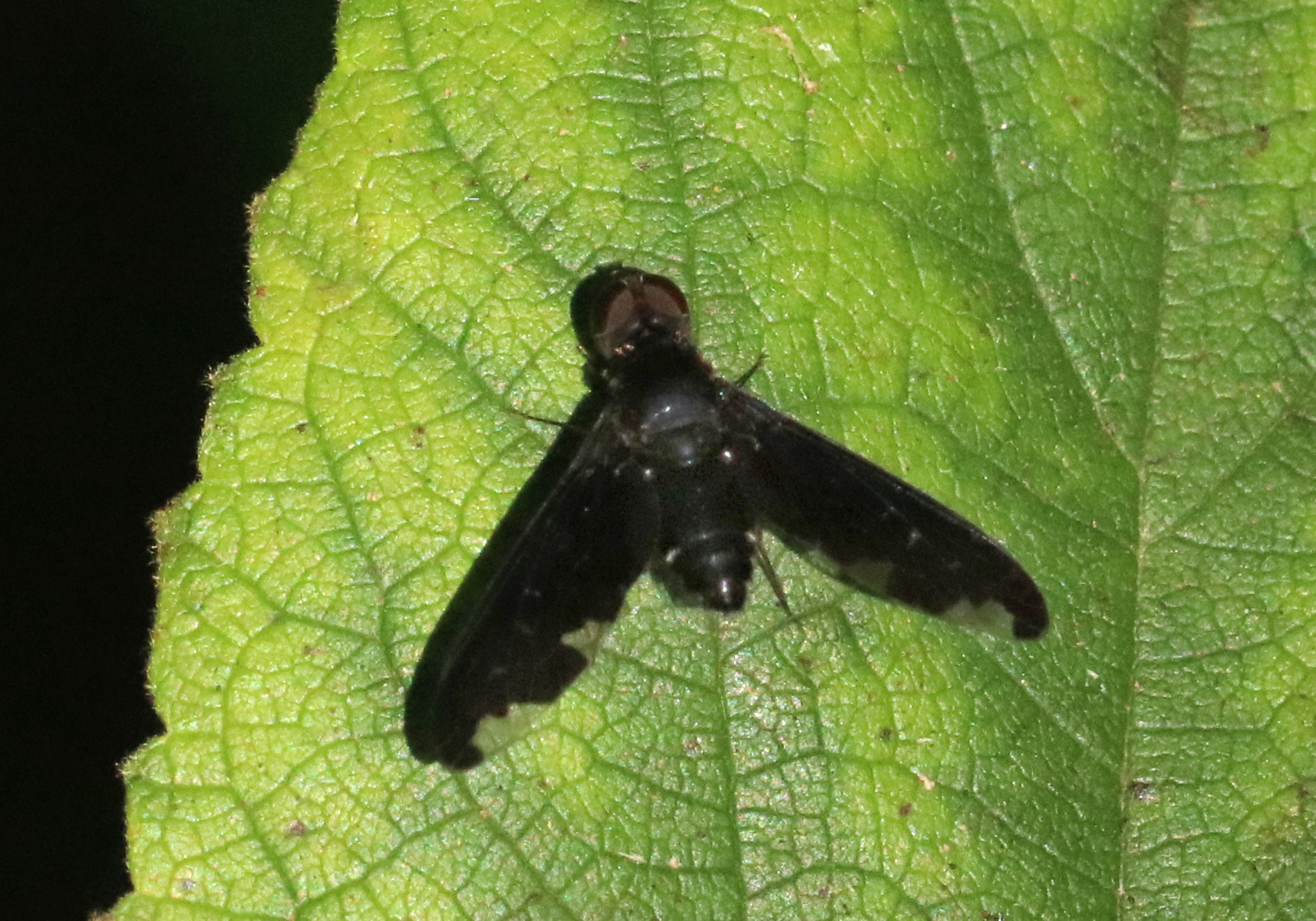
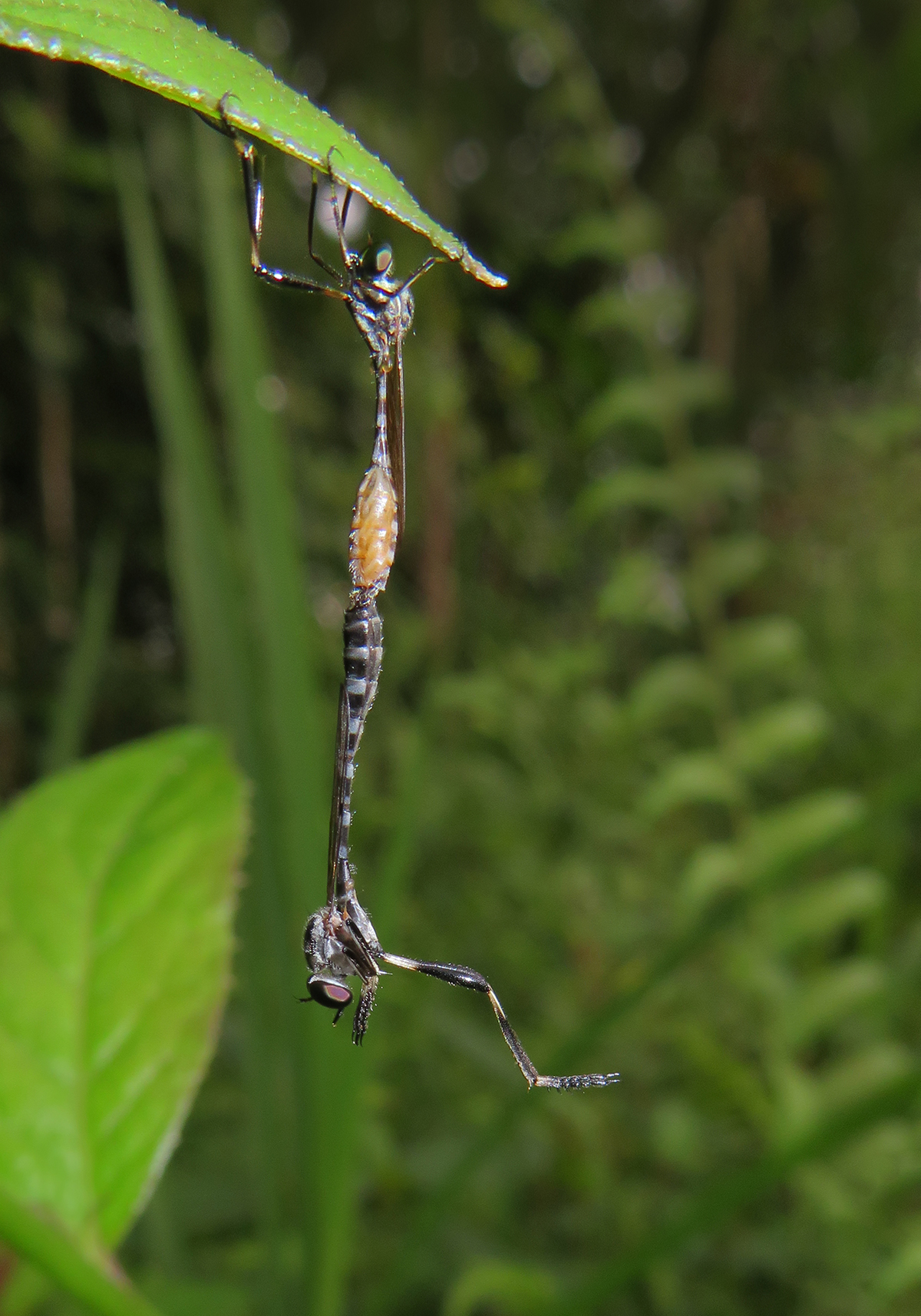
A key feature of many asiloid flies is their predatory behavior. In families such as Asilidae (robber flies), adults are active aerial predators that capture other insects in flight using strong legs and inject them with saliva containing digestive enzymes. Other families, such as Bombyliidae (bee flies), may have adults that feed on nectar while their larvae are parasitic or parasitoid on other insects.
The life cycle involves complete metamorphosis. Larvae are typically found in soil, decaying organic matter, or other concealed environments, where they are often predatory or parasitic. Pupation occurs in the soil or within the larval habitat.
The superfamily Asiloidea includes several important families, such as Asilidae (robber flies), Bombyliidae (bee flies), Therevidae (stiletto flies), Mydidae (mydas flies), and others. These families exhibit a wide range of morphological adaptations and ecological roles.
Ecologically, Asiloidea plays a significant role in controlling insect populations through predation and parasitism. Many species are important natural enemies of other insects, contributing to ecological balance. Additionally, nectar-feeding species such as bee flies may also act as pollinators. The superfamily represents a highly adaptable and ecologically important lineage of flies.