Bali Wildlife
Every Spices Matter


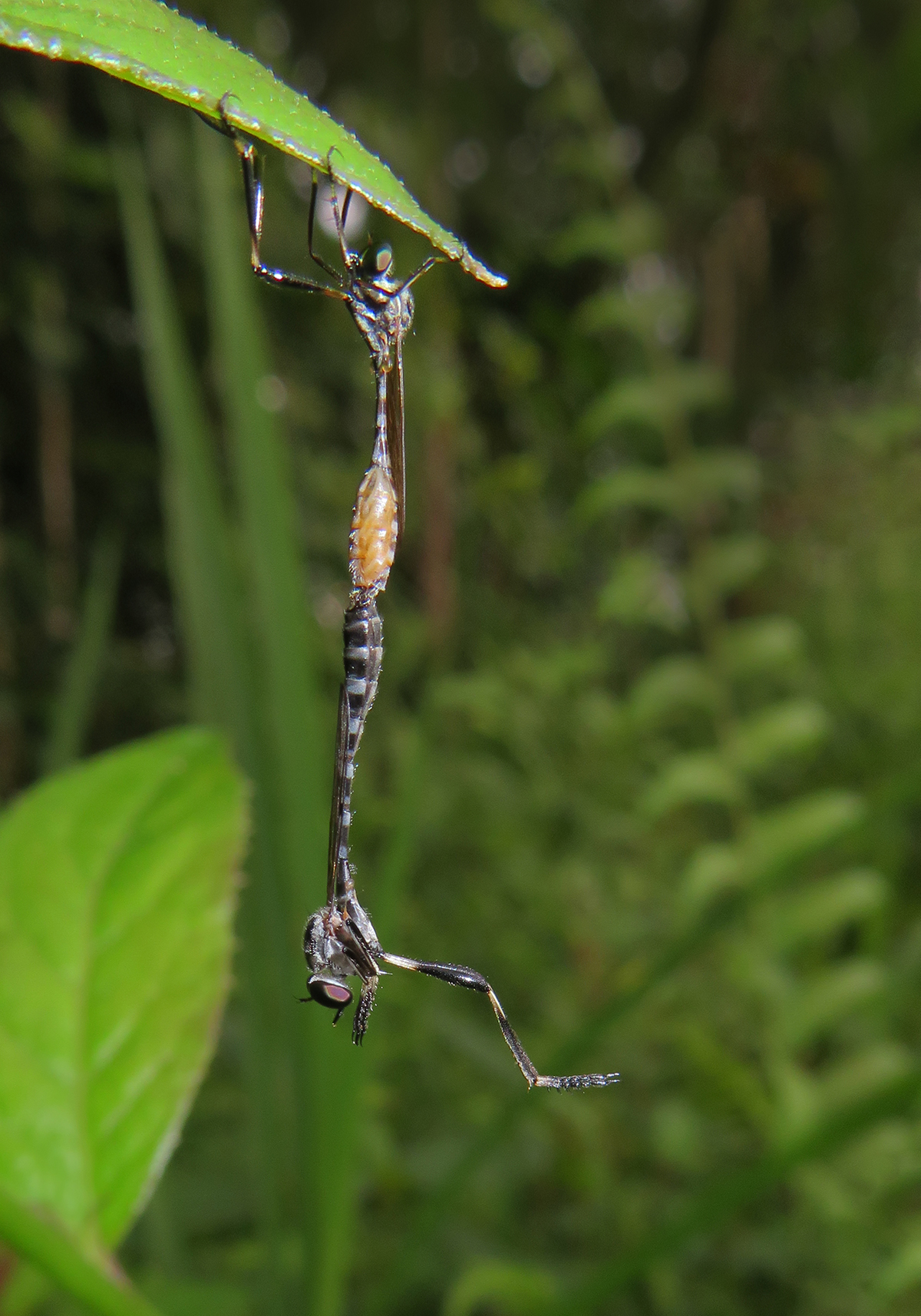
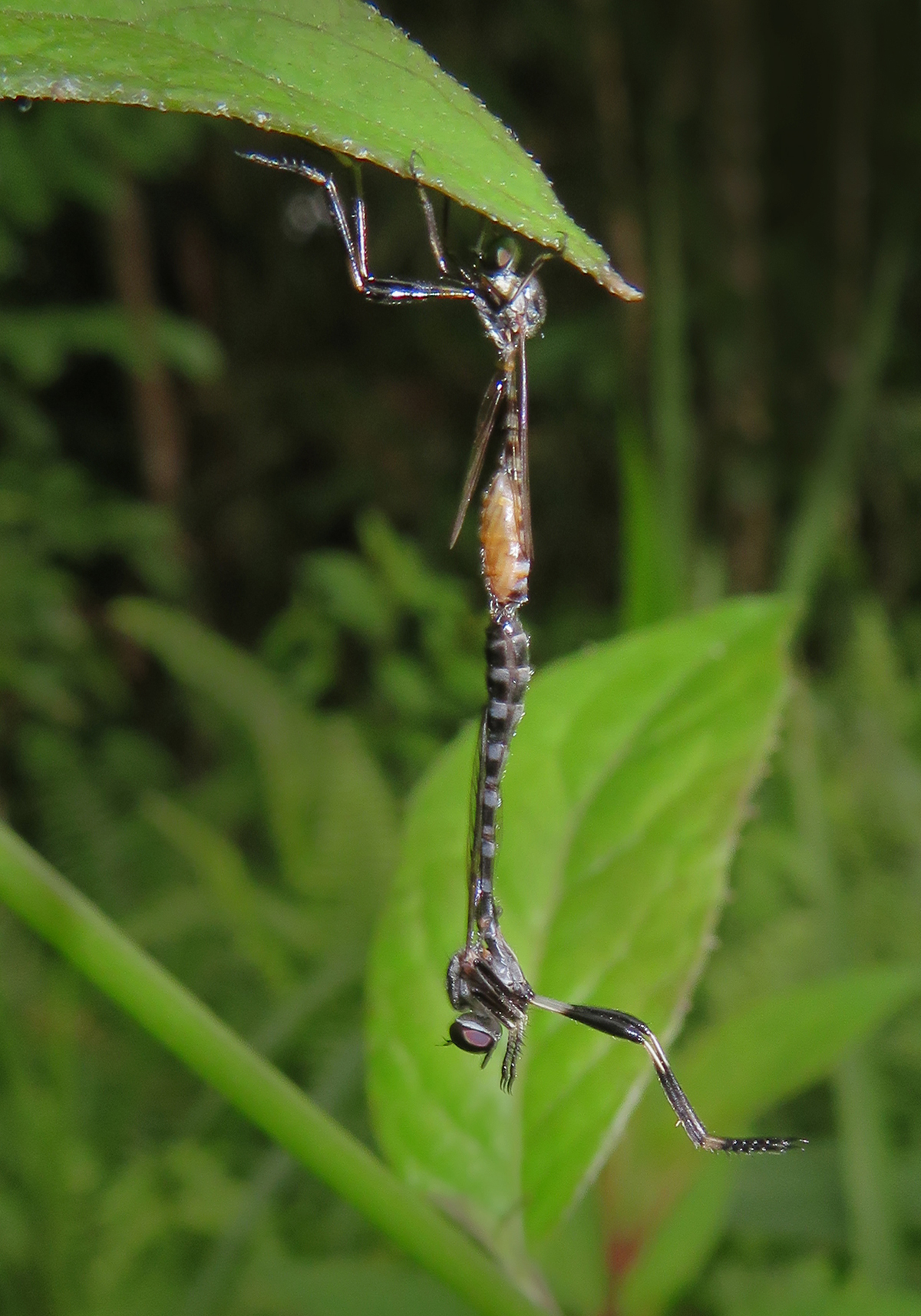
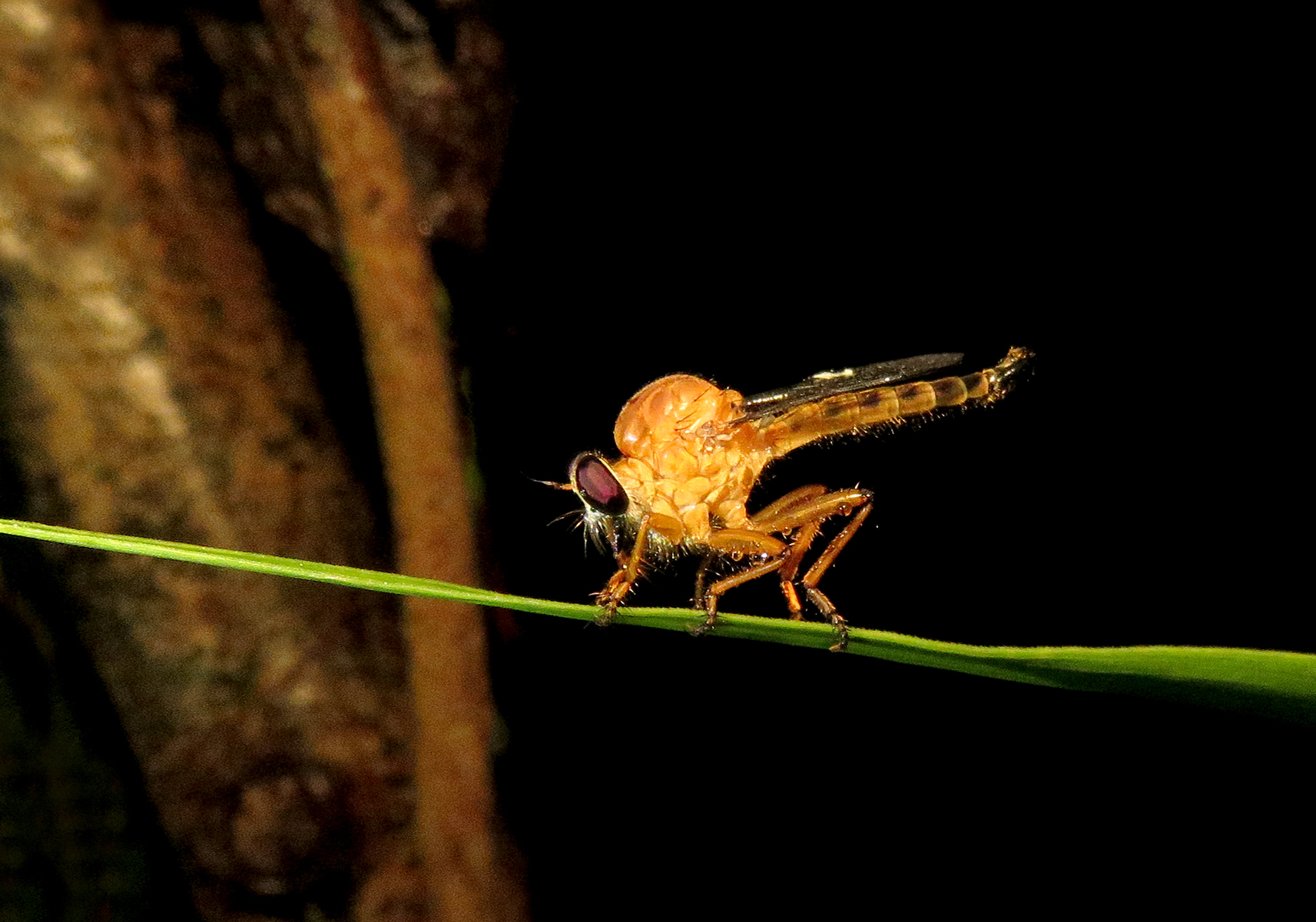
Asilidae, commonly known as robber flies, is a large and cosmopolitan family within the superfamily Asiloidea (Order Diptera). Members of this family are widely distributed across the world and are especially abundant in warm, open habitats such as grasslands, deserts, savannas, forest edges, and agricultural areas.
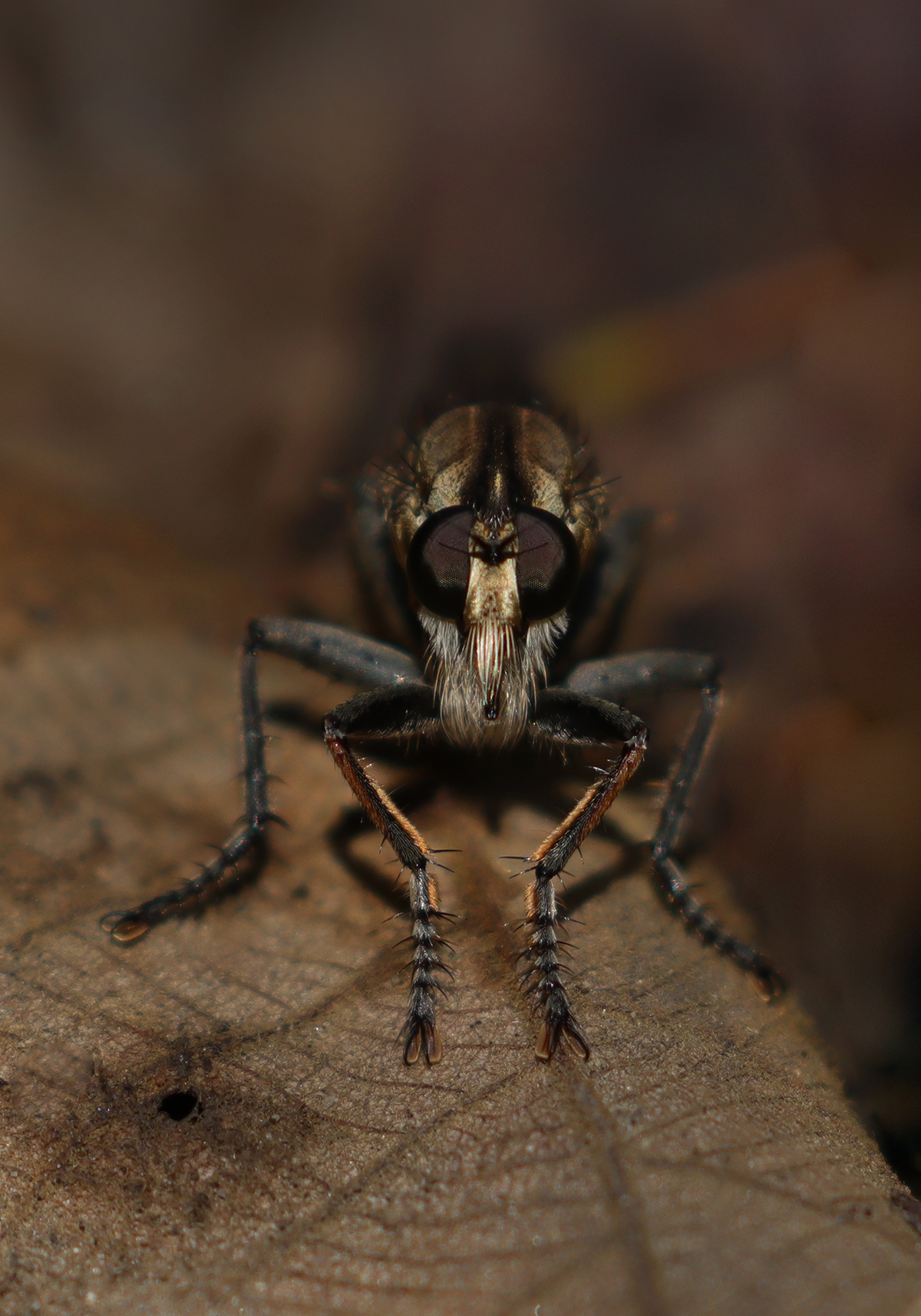
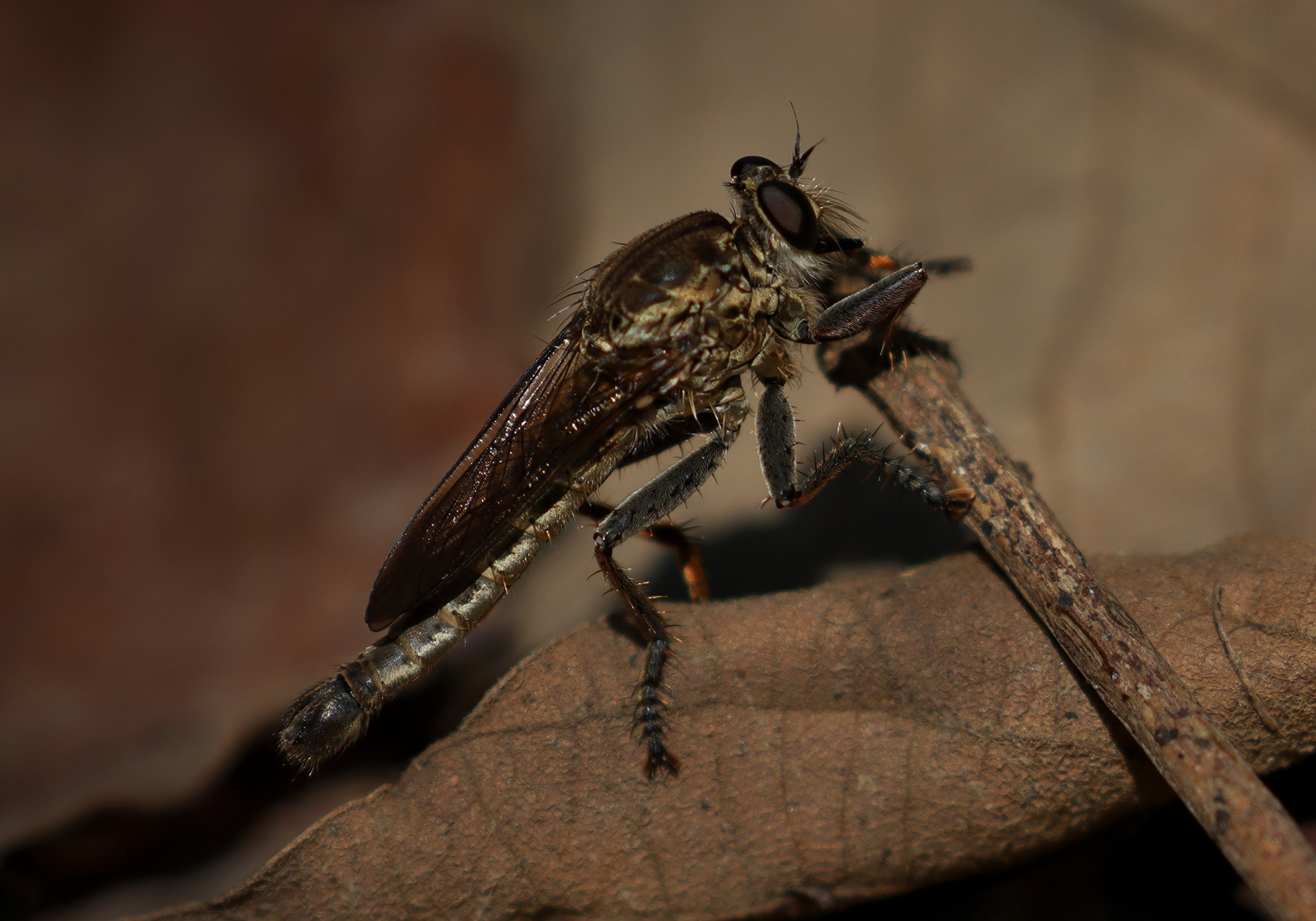
Robber flies are typically medium to large in size and are characterized by a robust, often elongated body and strong legs adapted for grasping prey. A distinctive feature of Asilidae is the presence of a dense cluster of bristles on the face, known as the mystax, which helps protect the head during prey capture. The head is large with well-developed compound eyes, and the antennae are short, usually ending in a stylus.
Asilids are powerful fliers and highly efficient aerial predators. They typically perch in sunny locations and launch rapid attacks to capture other insects in flight. Prey is seized with the legs and injected with saliva containing neurotoxins and digestive enzymes, which immobilize and pre-digest the prey before consumption.
The life cycle involves complete metamorphosis. Larvae are generally found in soil, decaying wood, or leaf litter, where they are predatory, feeding on other insect larvae and small invertebrates. Pupation occurs within the substrate where the larvae develop.
The family Asilidae includes numerous genera and species, reflecting a wide range of sizes, shapes, and ecological adaptations. Despite this diversity, all share a predatory lifestyle.
Ecologically, Asilidae play an important role as top invertebrate predators, helping to regulate populations of other insects. While they may occasionally prey on beneficial insects, their overall impact contributes to maintaining ecological balance. Their distinctive appearance, behavior, and predatory efficiency make them one of the most recognizable and ecologically significant groups of flies.