Bali Wildlife
Every Spices Matter


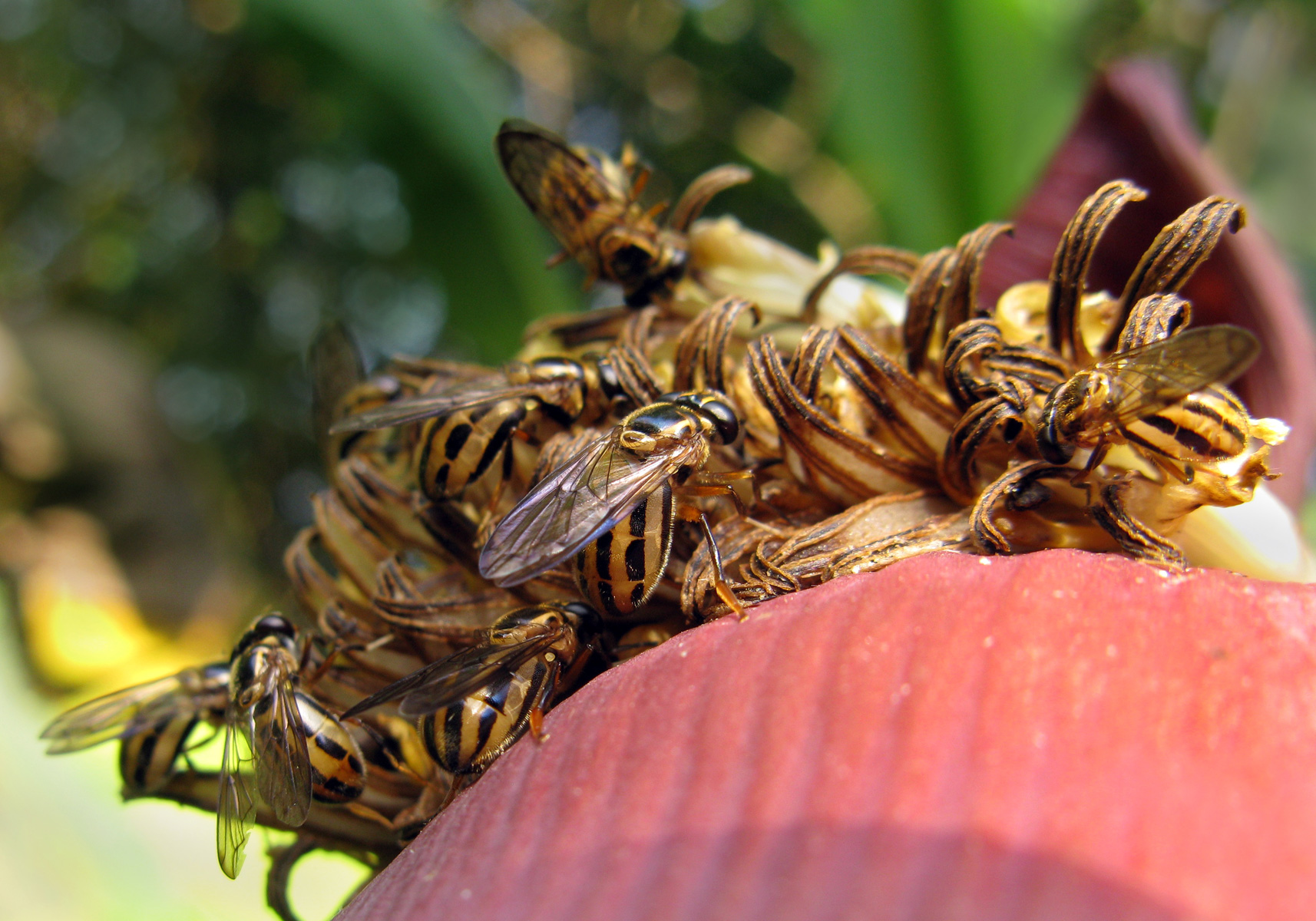
Aschiza is a zoosection within the infraorder Cyclorrhapha (Suborder Brachycera, Order Diptera), representing a group of higher flies that are considered evolutionarily intermediate between the more primitive Orthorrhapha and the more advanced Schizophora. Members of Aschiza are widely distributed across the world and occupy a variety of habitats, including forests, wetlands, grasslands, and agricultural environments.
A defining characteristic of Aschiza is the absence of a ptilinal suture on the adult head, which distinguishes them from the Schizophora. This reflects differences in the mechanism by which adults emerge from the puparium. Despite lacking this feature, Aschiza share other cyclorrhaphan traits such as a compact body and a life cycle involving complete metamorphosis.
Aschizan flies are generally small to medium-sized and exhibit considerable variation in body form and behavior. The antennae are short, typically with an arista, and the compound eyes are often well developed. Many species are agile fliers, while others exhibit distinctive behaviors such as rapid running or hovering.
The life cycle includes egg, larval, pupal, and adult stages. Larvae occupy a wide range of ecological niches. In some families, such as Syrphidae (hoverflies), larvae are important predators of aphids and other small insects. In others, such as Phoridae (scuttle flies), larvae may be detritivores, parasitoids, or associated with decaying organic matter.
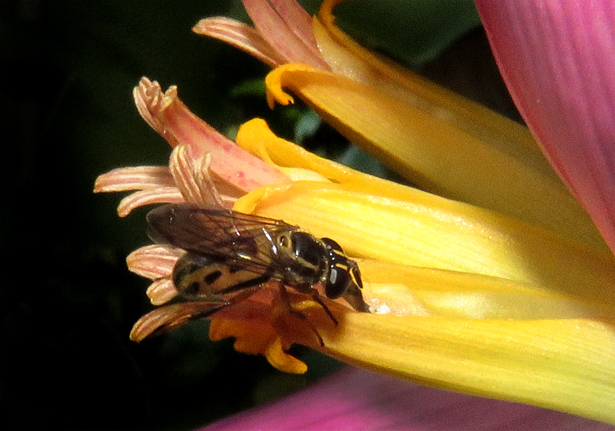
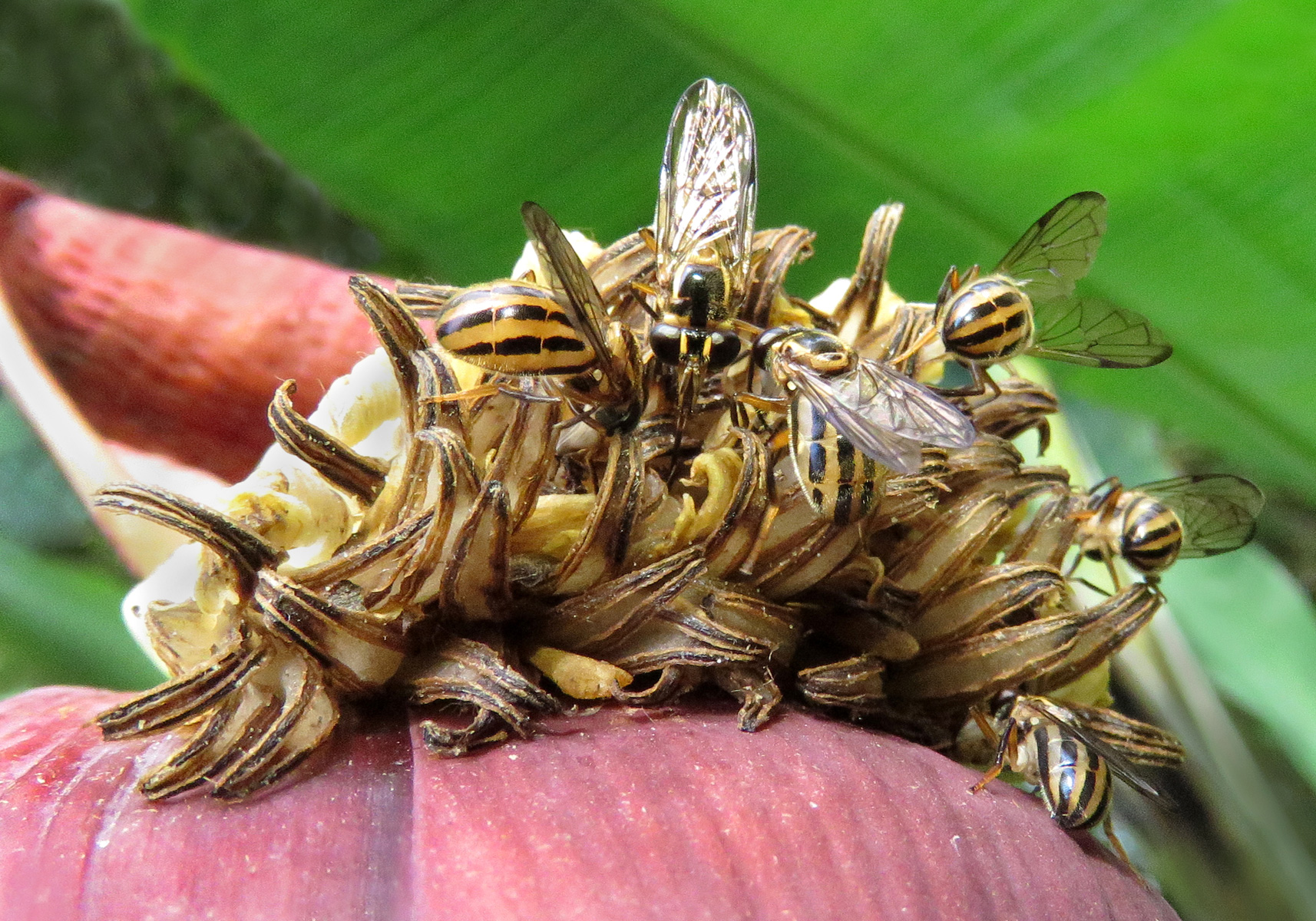
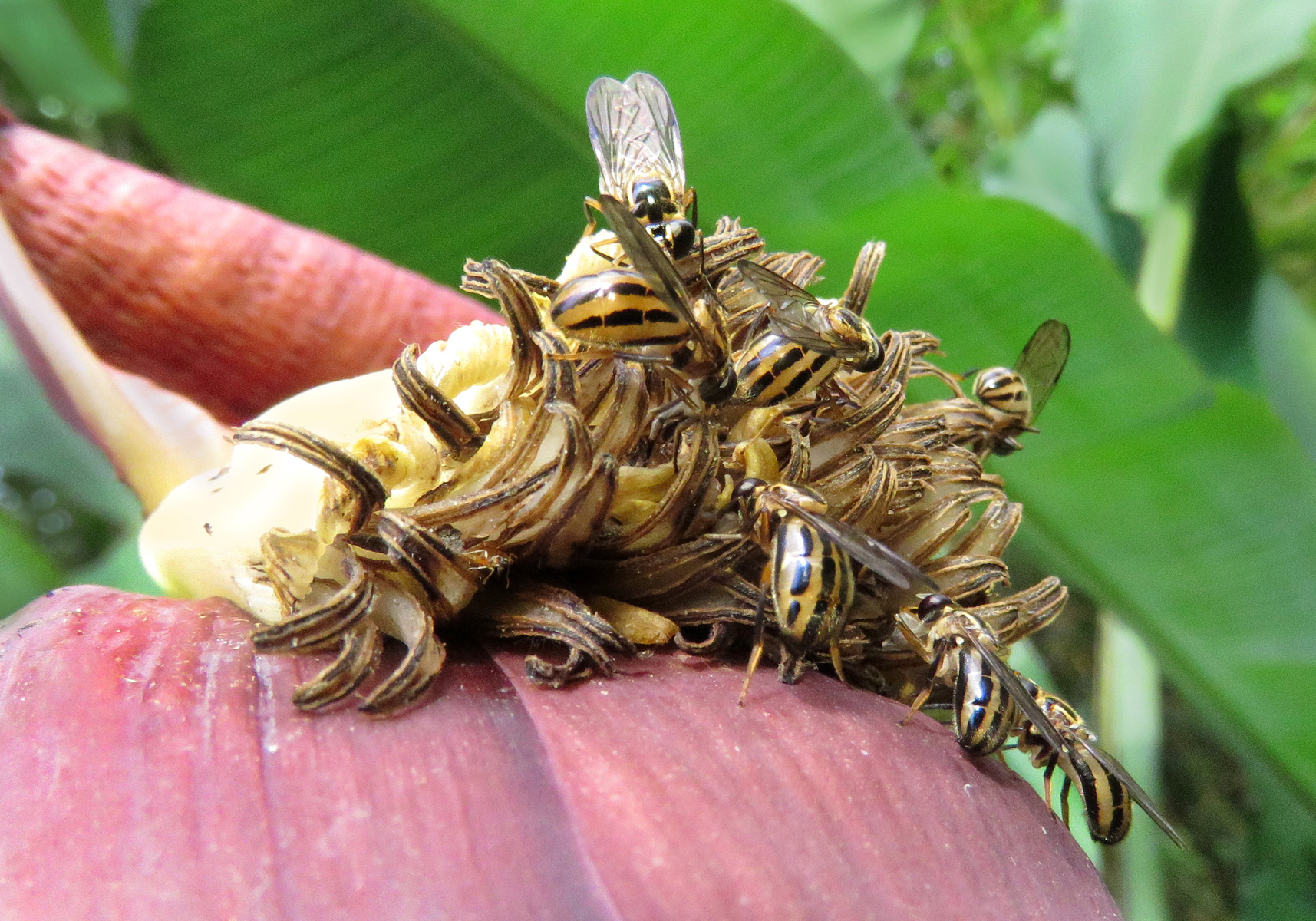
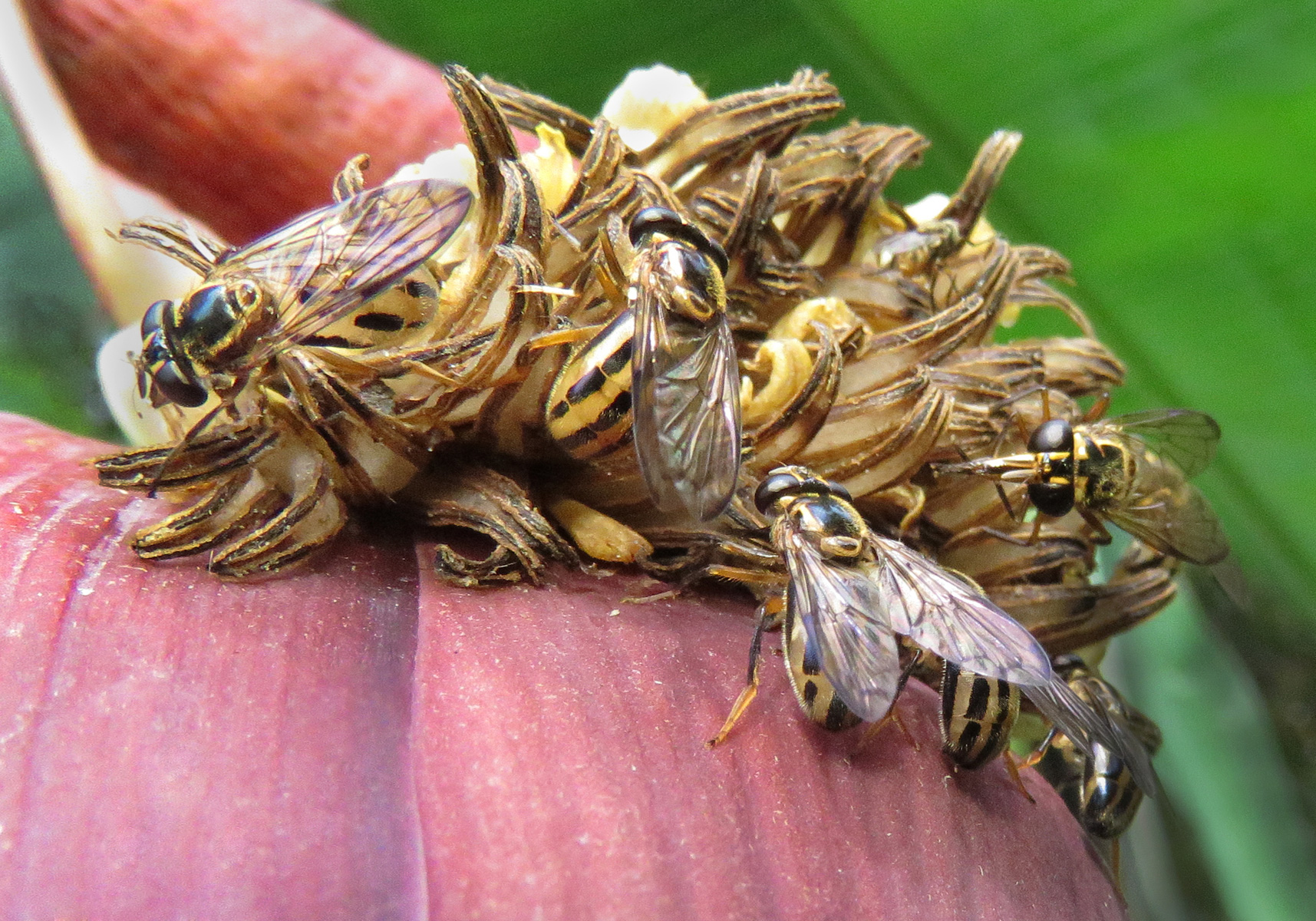
The zoosection Aschiza includes several families, most notably Syrphidae (hoverflies) and Phoridae (scuttle flies). These families differ greatly in appearance and ecology but share key morphological features that place them within this group.
Ecologically, Aschiza plays a significant role in ecosystems. Hoverflies are important pollinators and biological control agents, while other members contribute to decomposition and nutrient cycling. The group represents an important evolutionary stage within Diptera, bridging the gap between more primitive and more derived flies.