Bali Wildlife
Every Spices Matter


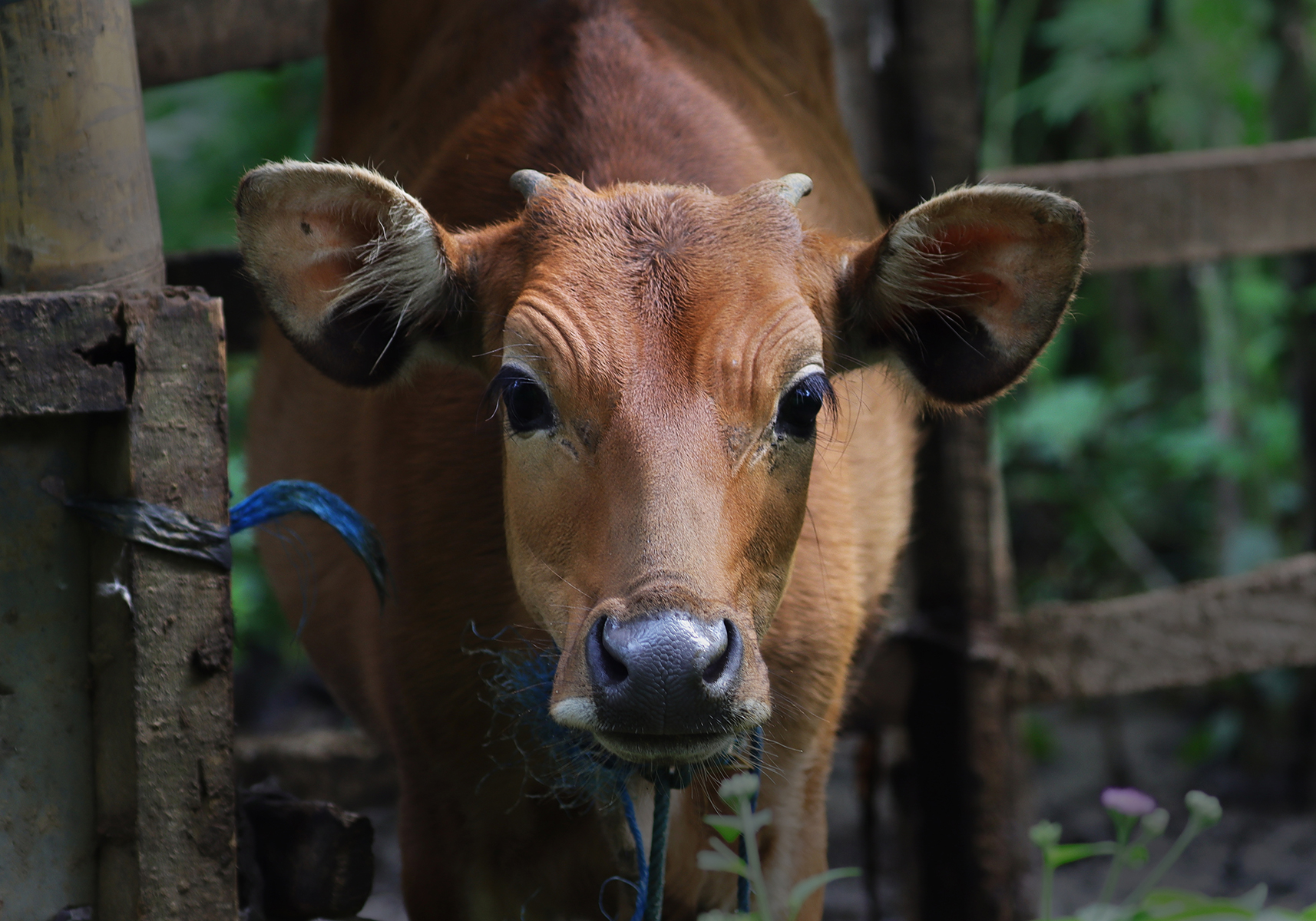
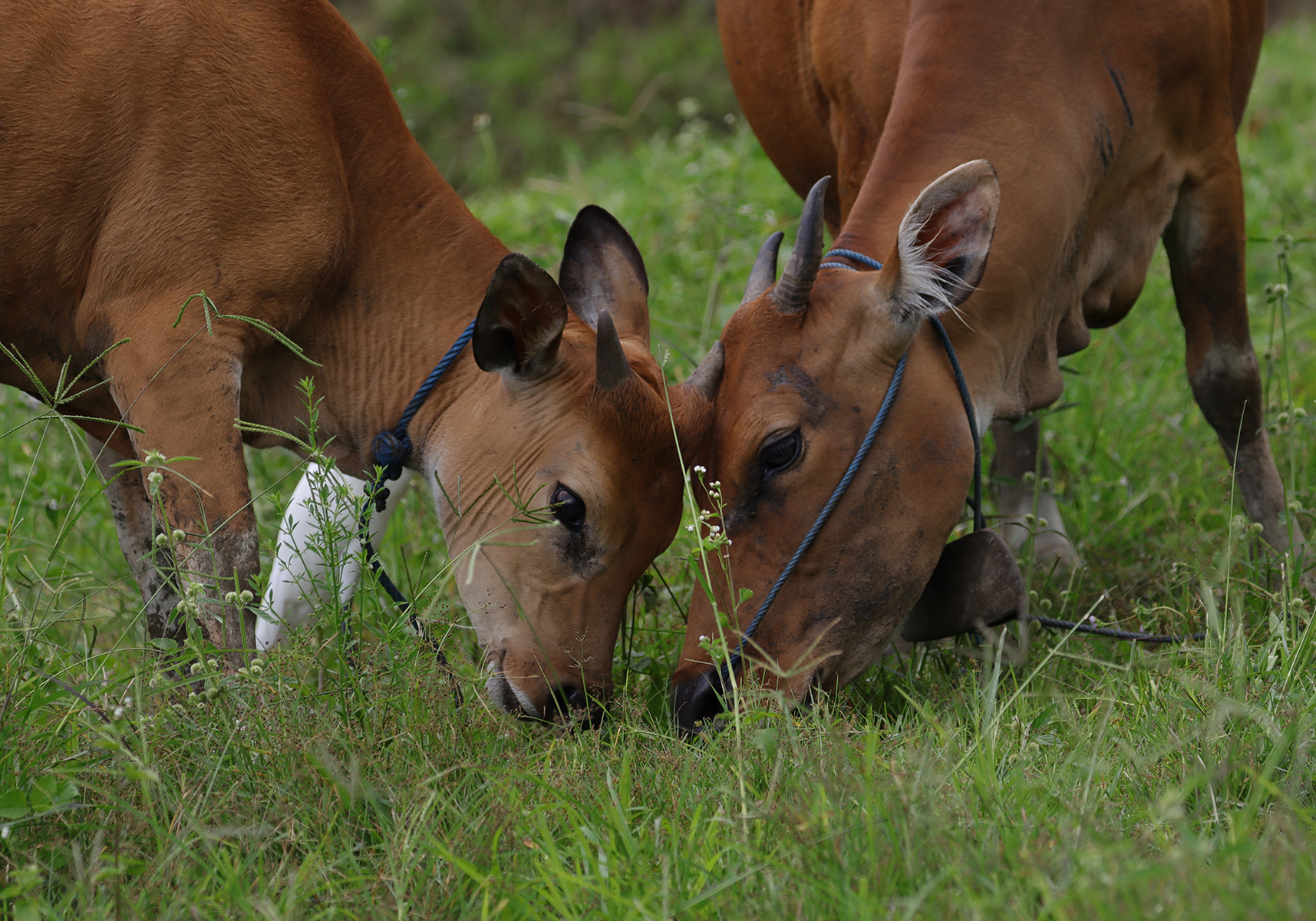
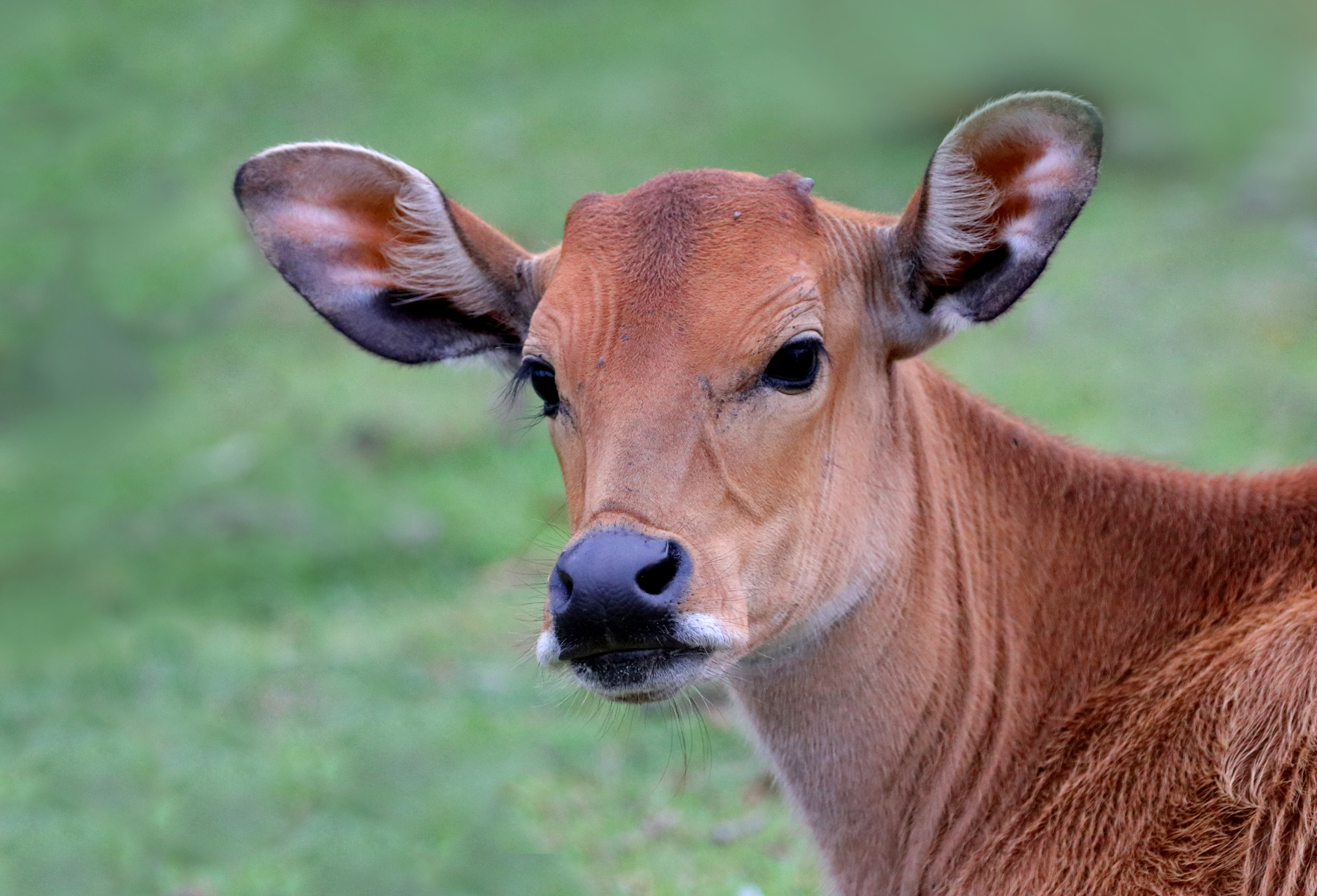
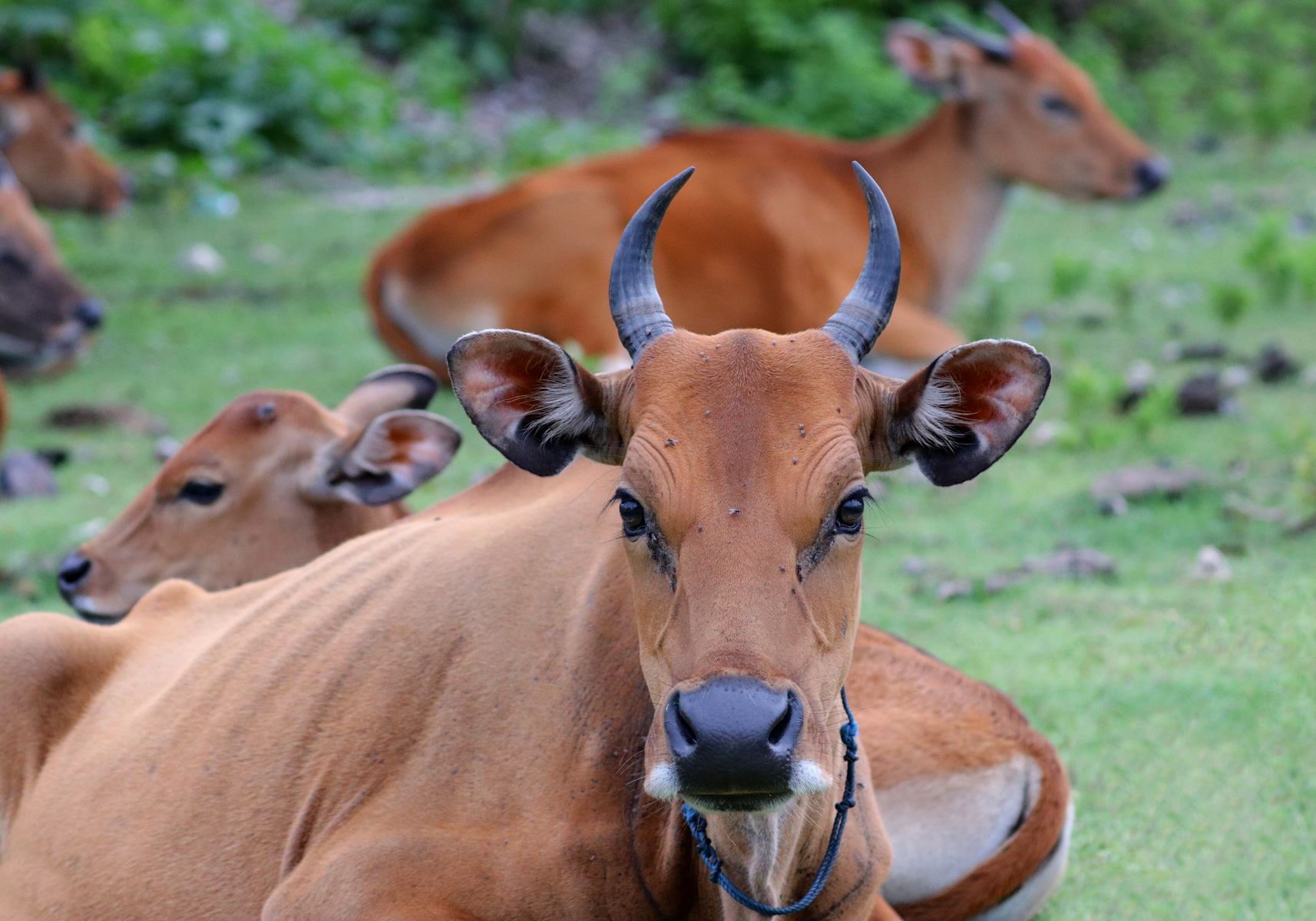
Artiodactyla is an order of placental mammals commonly known as the even-toed ungulates. Members of this order are characterized by bearing weight equally on the third and fourth toes of each foot. Artiodactyls include a wide variety of hoofed mammals such as deer, cattle, goats, pigs, camels, and hippopotamuses.
A defining anatomical feature of artiodactyls is the para-axonic foot structure, in which the main axis of the limb passes between the third and fourth digits. Most species possess hooves and are adapted for efficient terrestrial locomotion, particularly running.
Many artiodactyls are herbivorous and have specialized digestive systems. Ruminant species (such as cattle, sheep, and deer) possess a multi-chambered stomach that allows them to ferment plant material before digestion. Non-ruminant members, such as pigs and hippopotamuses, have simpler stomach structures.
Traditionally, whales and dolphins were classified separately, but modern molecular evidence shows that cetaceans evolved from within Artiodactyla. As a result, many classifications now group them together under the clade Cetartiodactyla.
Artiodactyls are distributed worldwide, occupying habitats ranging from grasslands and savannas to forests, deserts, and wetlands. Ecologically, they play crucial roles as primary consumers, seed dispersers, and key prey species for large predators.