Bali Wildlife
Every Spices Matter


Arthropoda is the largest and most diverse phylum in the animal kingdom, encompassing an immense variety of invertebrate animals adapted to nearly all environments on Earth, including marine, freshwater, terrestrial, and aerial habitats. Members of this phylum are characterized by a segmented body, paired jointed appendages, and a rigid exoskeleton composed primarily of chitin, which provides protection and structural support.
The arthropod body is typically divided into distinct regions, such as the head, thorax, and abdomen, or into a cephalothorax and abdomen, depending on the group. Growth occurs through a process known as ecdysis, in which the exoskeleton is periodically shed and replaced to allow for development. Arthropods possess a well-developed nervous system with a dorsal brain and ventral nerve cord, along with specialized sensory organs, including compound eyes and antennae in many taxa.
Respiration varies among groups and may occur through gills, tracheal systems, or book lungs, reflecting their wide ecological distribution. Circulation is generally open, with a hemocoel and a dorsal heart. Reproduction is predominantly sexual, and many arthropods undergo metamorphosis during their life cycle.
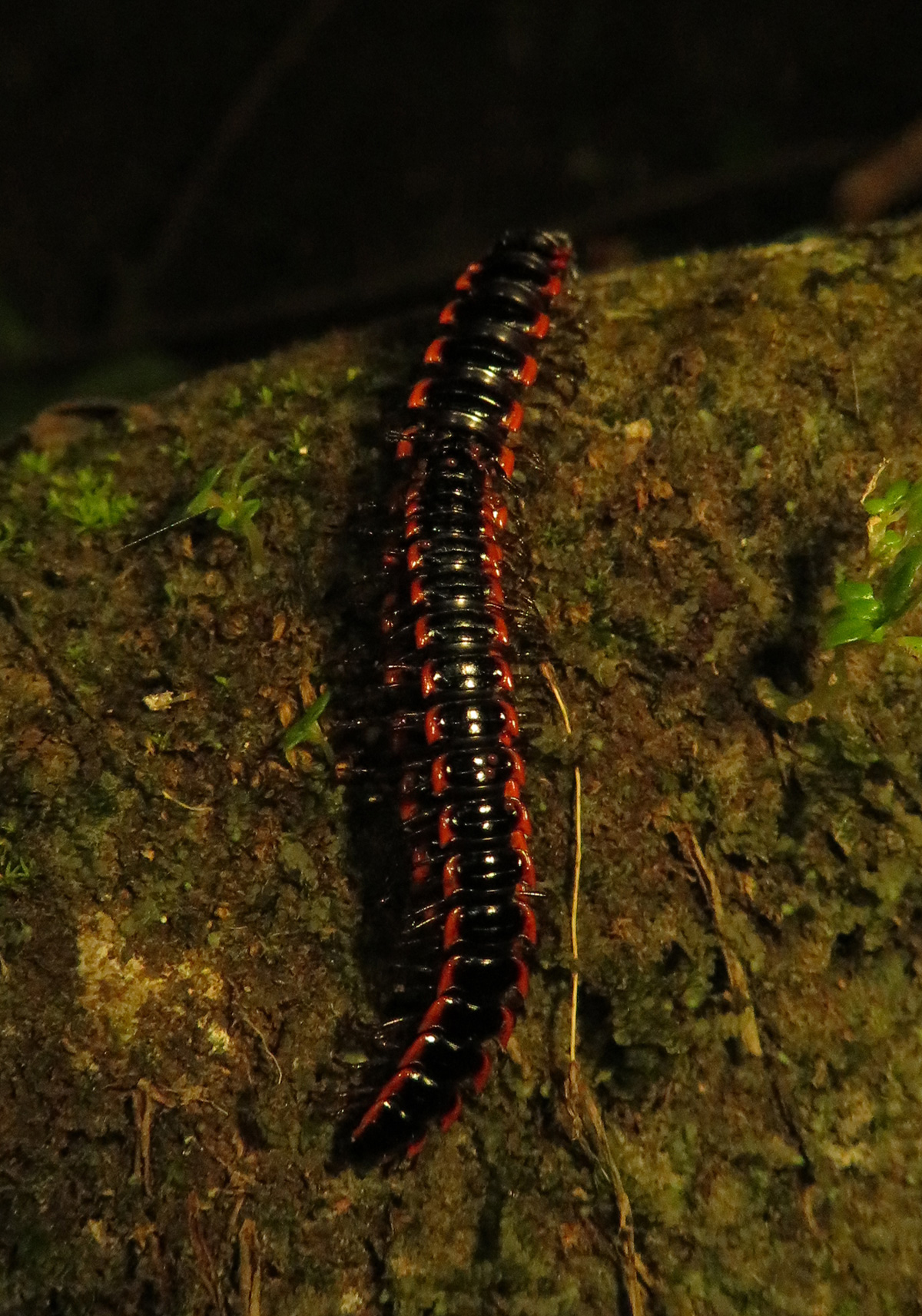
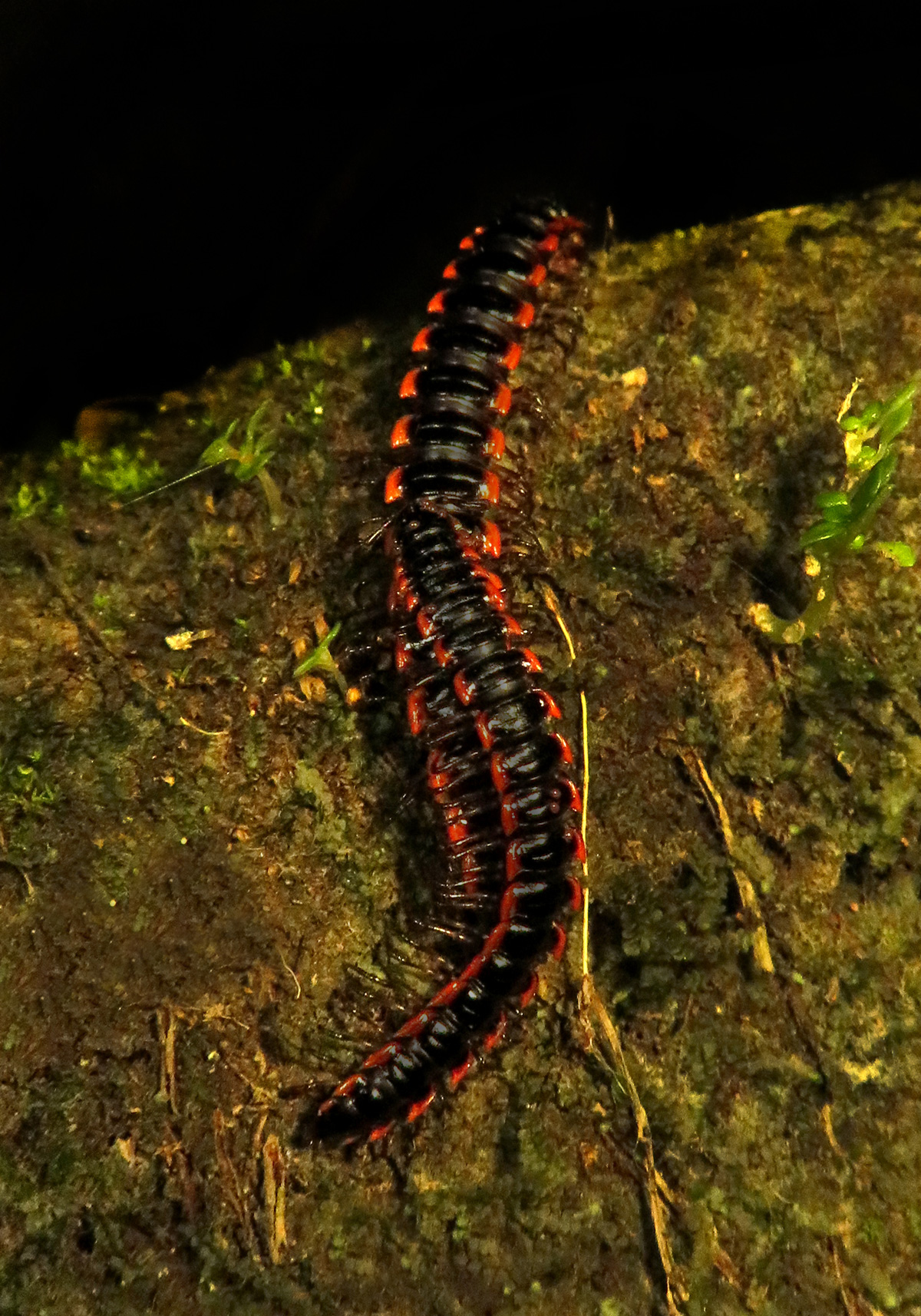
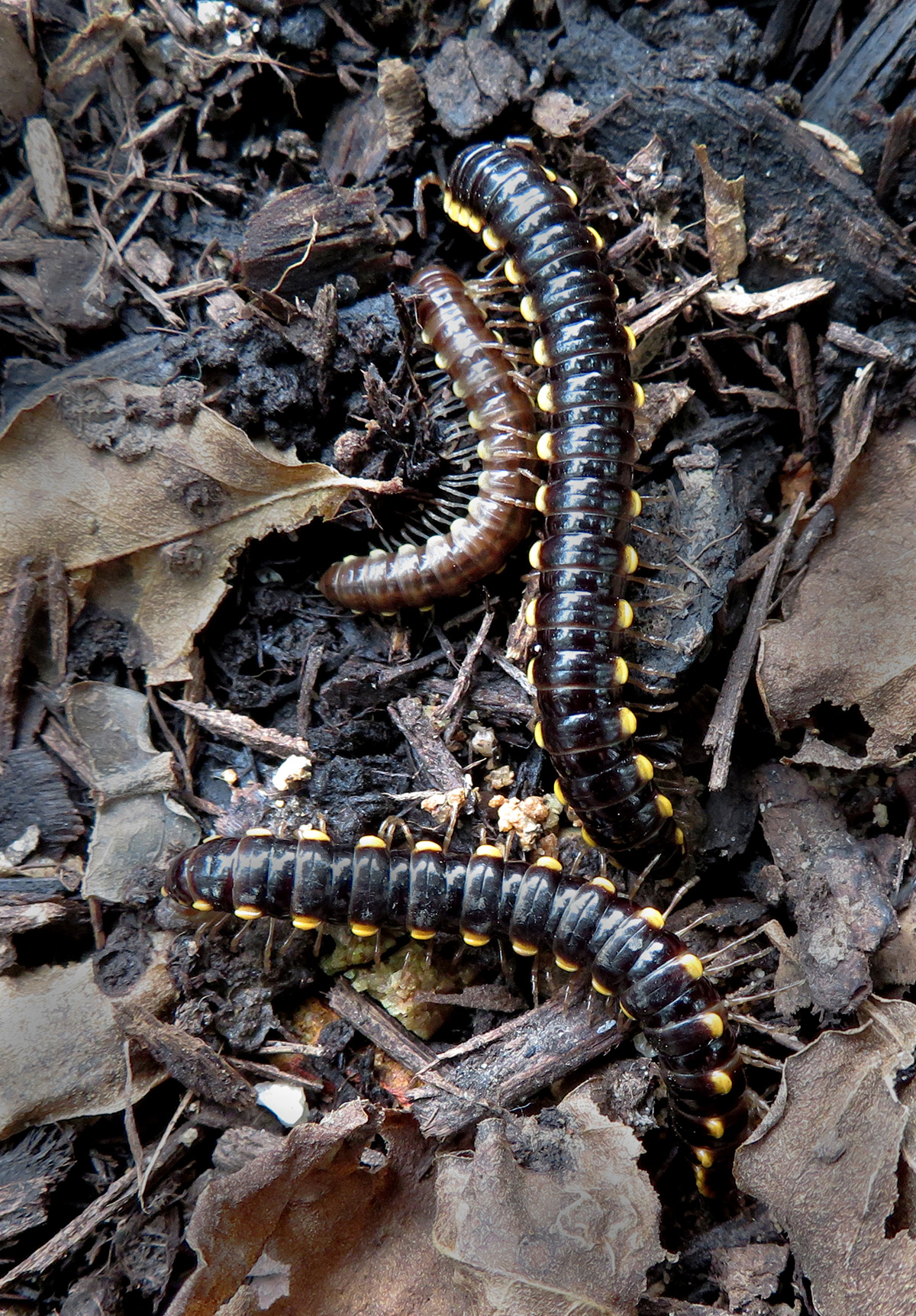
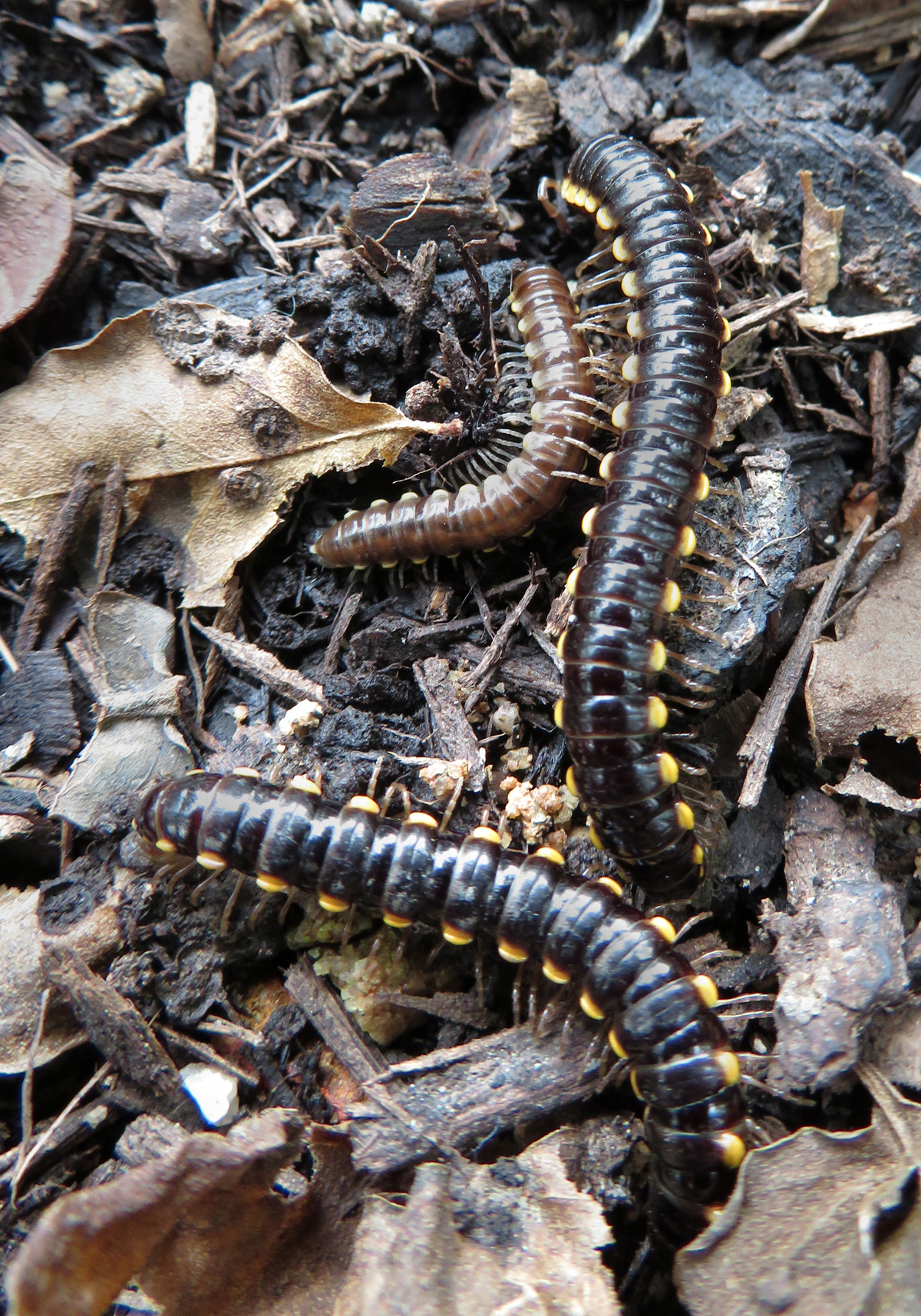
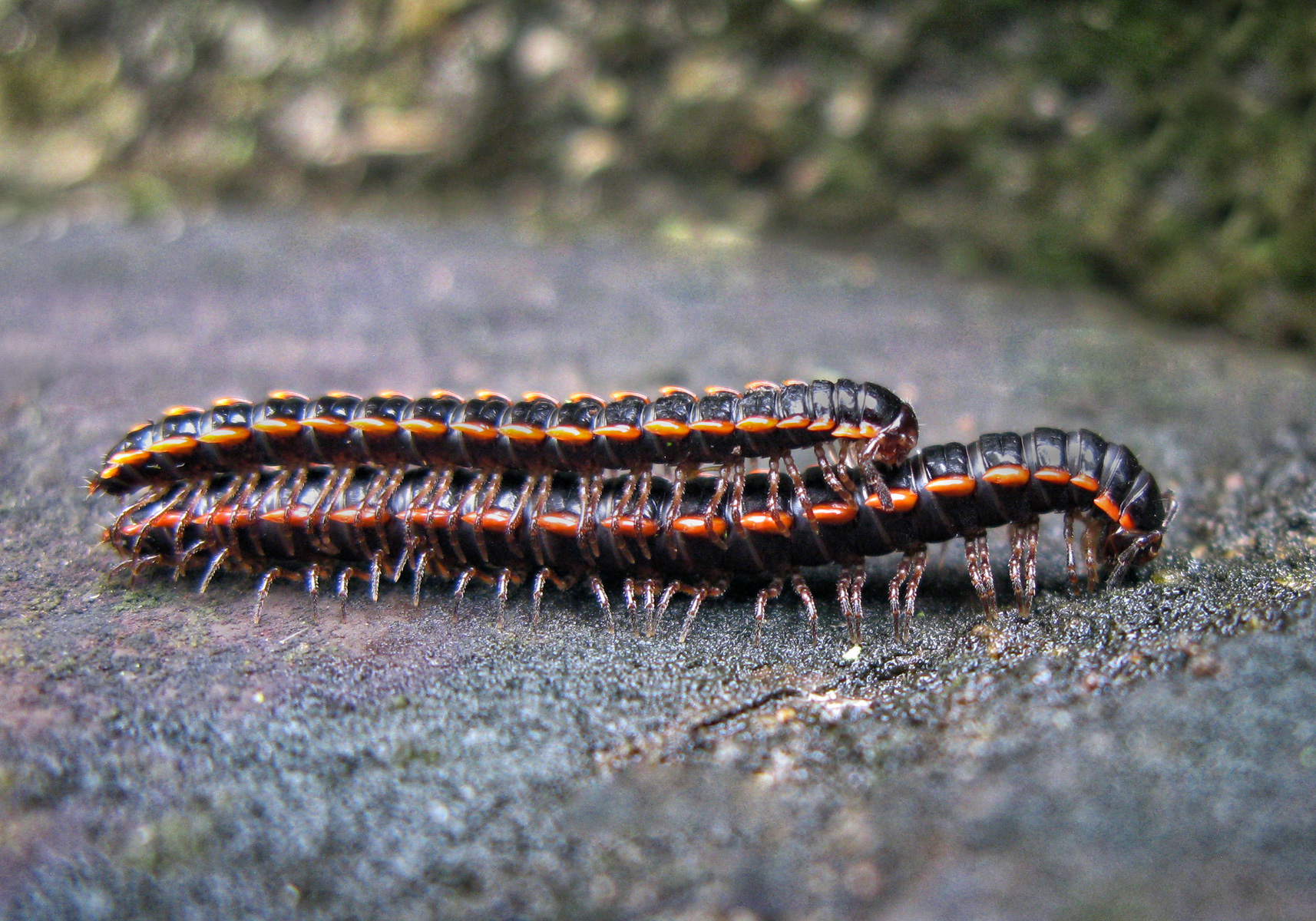
Major groups within Arthropoda include insects (Insecta), arachnids (Arachnida), crustaceans (Crustacea), and myriapods (Myriapoda). Collectively, arthropods play essential roles in ecosystems as pollinators, decomposers, predators, and prey, and they have significant ecological, economic, and scientific importance worldwide.