Bali Wildlife
Every Spices Matter


Argiopinae is a subfamily within the family Araneidae (Superfamily Araneoidea, Order Araneae), comprising some of the most conspicuous and well-known orb-weaving spiders. The subfamily has a broad global distribution, occurring in tropical, subtropical, and temperate regions, and is especially diverse in warmer climates.
Members of Argiopinae are typically medium to large-sized spiders, most famous for constructing large, vertical orb webs in open, sunlit habitats such as grasslands, forest edges, agricultural fields, and gardens. Many species incorporate a prominent silk structure known as a stabilimentum—a zigzag, discoid, or cross-shaped band of dense silk in the center of the web. The exact function of the stabilimentum is debated, but it is thought to play roles in prey attraction, predator deterrence, or web visibility.
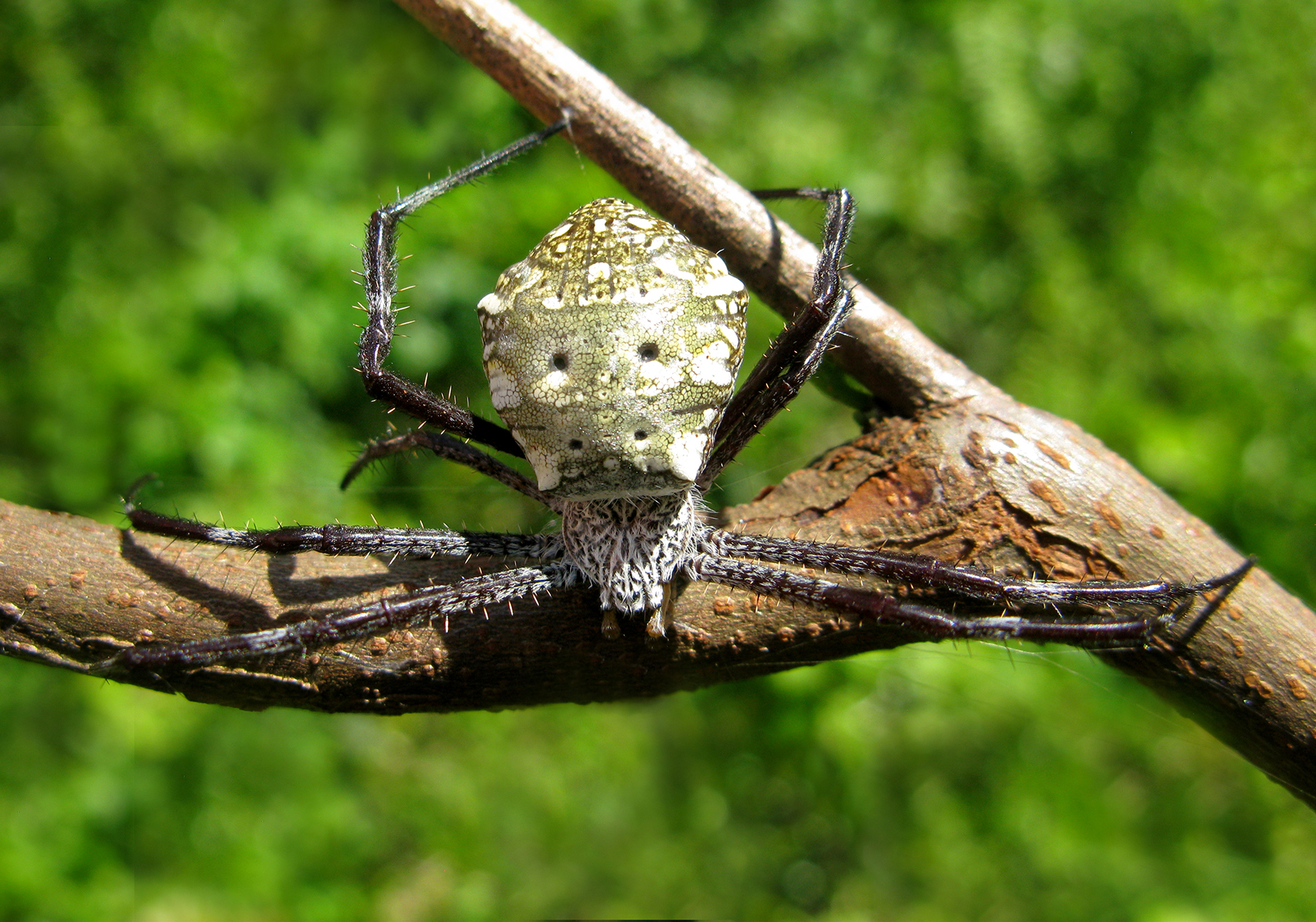
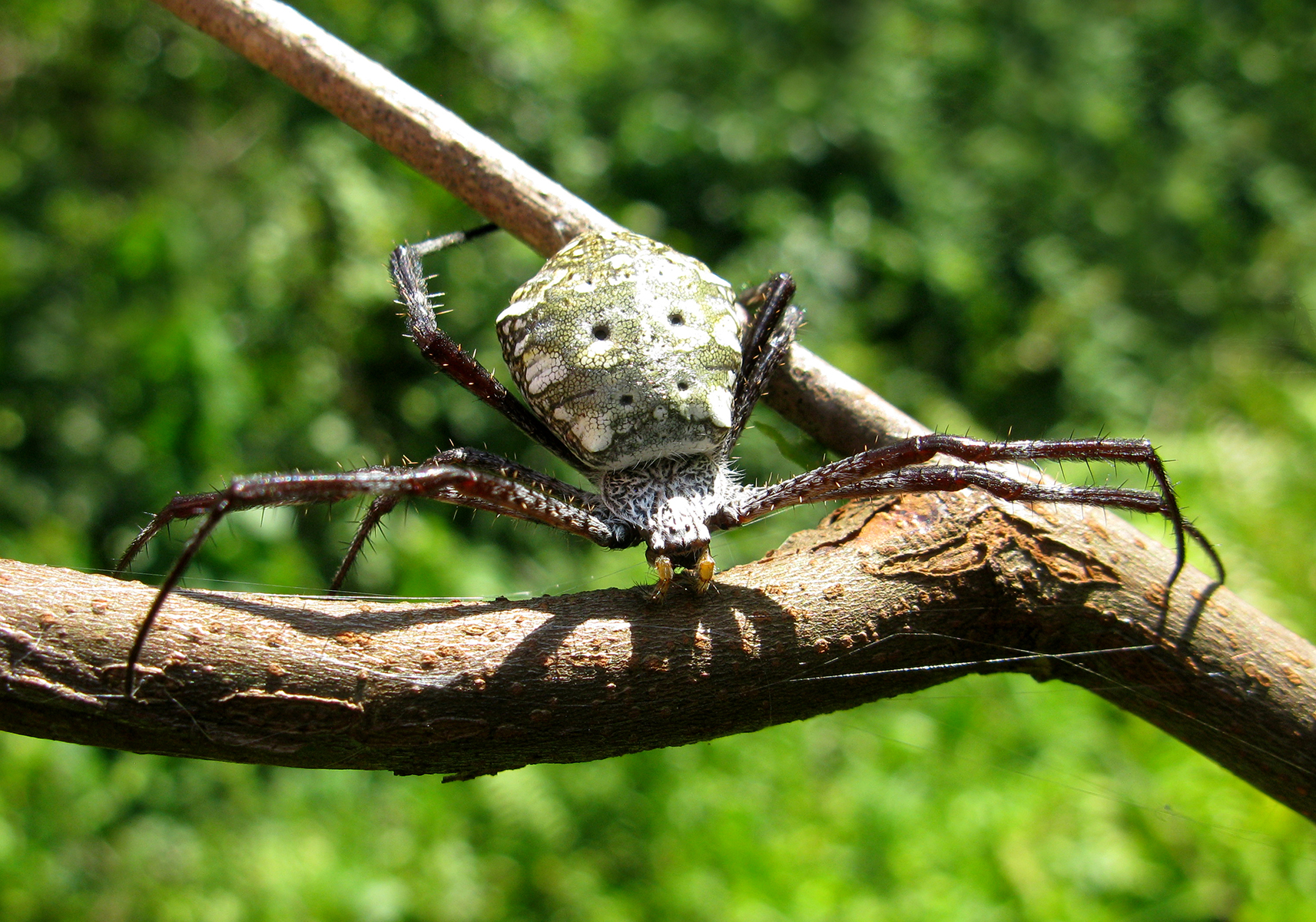
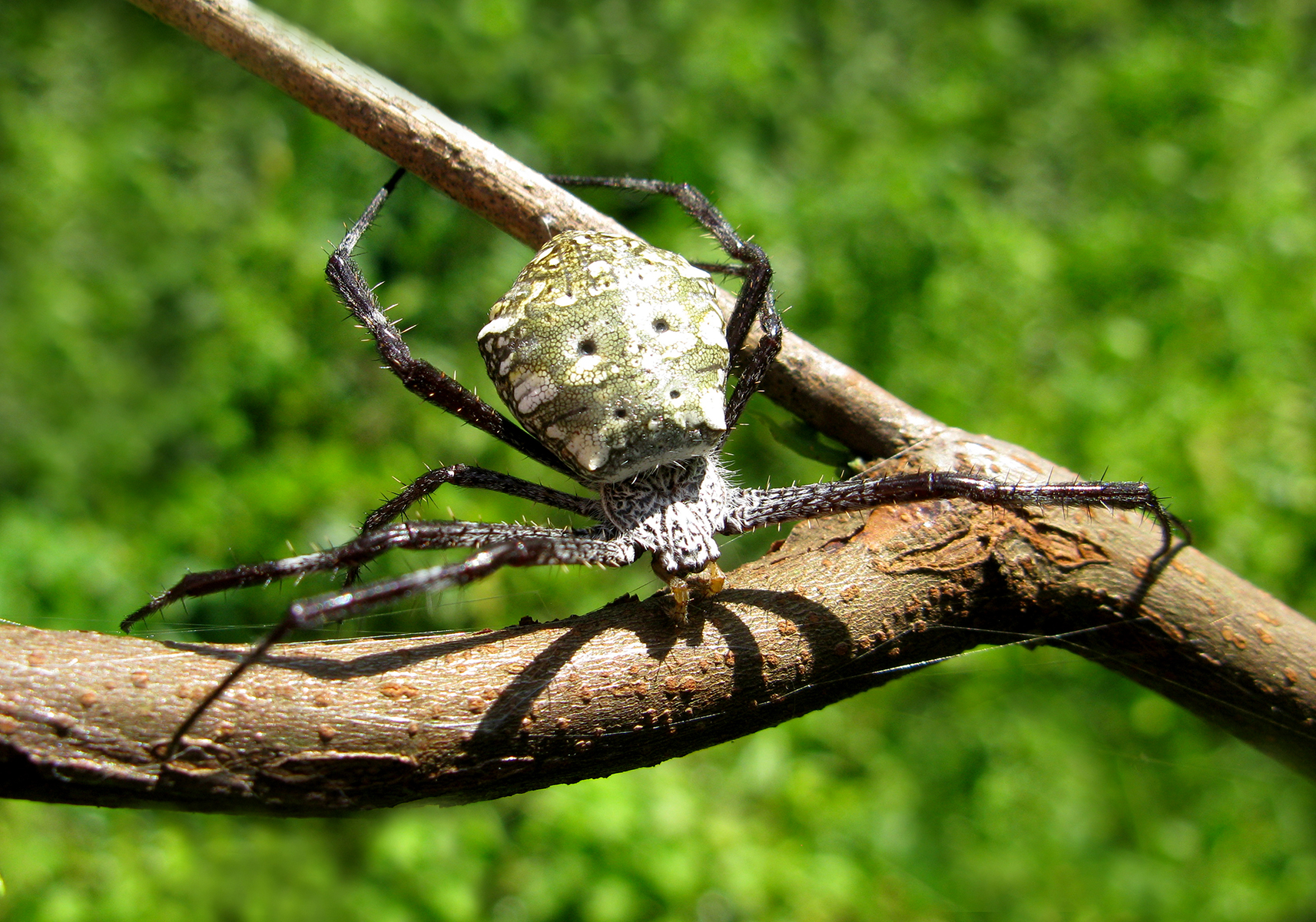
Argiopine spiders usually have a stout body with a relatively elongated or oval abdomen. Coloration is often striking, with bold patterns of yellow, white, black, orange, or silver that make these spiders highly visible. Legs are long and strong, often held in characteristic paired positions while resting at the center of the web. Sexual dimorphism is pronounced, with females significantly larger and more robust than the much smaller males.
Like other araneids, Argiopinae produce multiple types of silk, including strong radial threads and sticky capture spirals equipped with adhesive droplets. Webs are often rebuilt daily, especially after damage. These spiders are diurnal or crepuscular, frequently remaining at the hub of the web during daylight hours.
Reproduction follows the entelegyne pattern, with complex genital structures. Males typically approach females cautiously to avoid predation. Females produce egg sacs that are attached to vegetation near the web or hidden among leaves and debris.
Ecologically, Argiopinae play an important role as predators of flying insects, including flies, moths, and other agricultural pests. The subfamily includes well-known genera such as Argiope, Gea, and Neogea, which are often used as model organisms in studies of spider behavior, web architecture, and sexual selection.