Bali Wildlife
Every Spices Matter


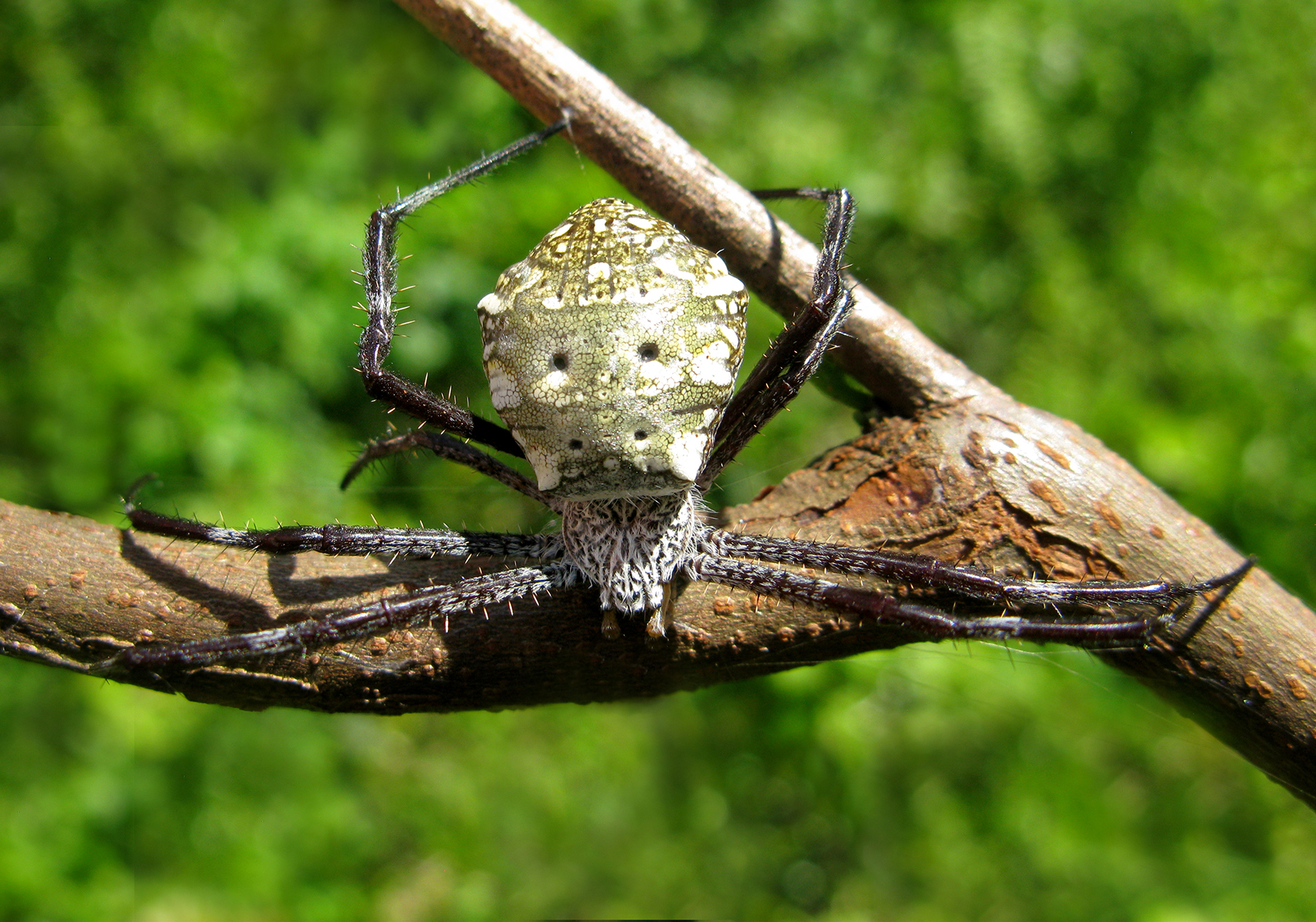
Argiope is a prominent and widely distributed genus of orb-weaving spiders within the subfamily Argiopinae (Family Araneidae, Order Araneae). Species of Argiope occur on all continents except Antarctica and are especially abundant in tropical and subtropical regions, though several species extend into temperate zones. They are commonly found in open, sunlit habitats such as grasslands, forest margins, agricultural fields, wetlands, and gardens.
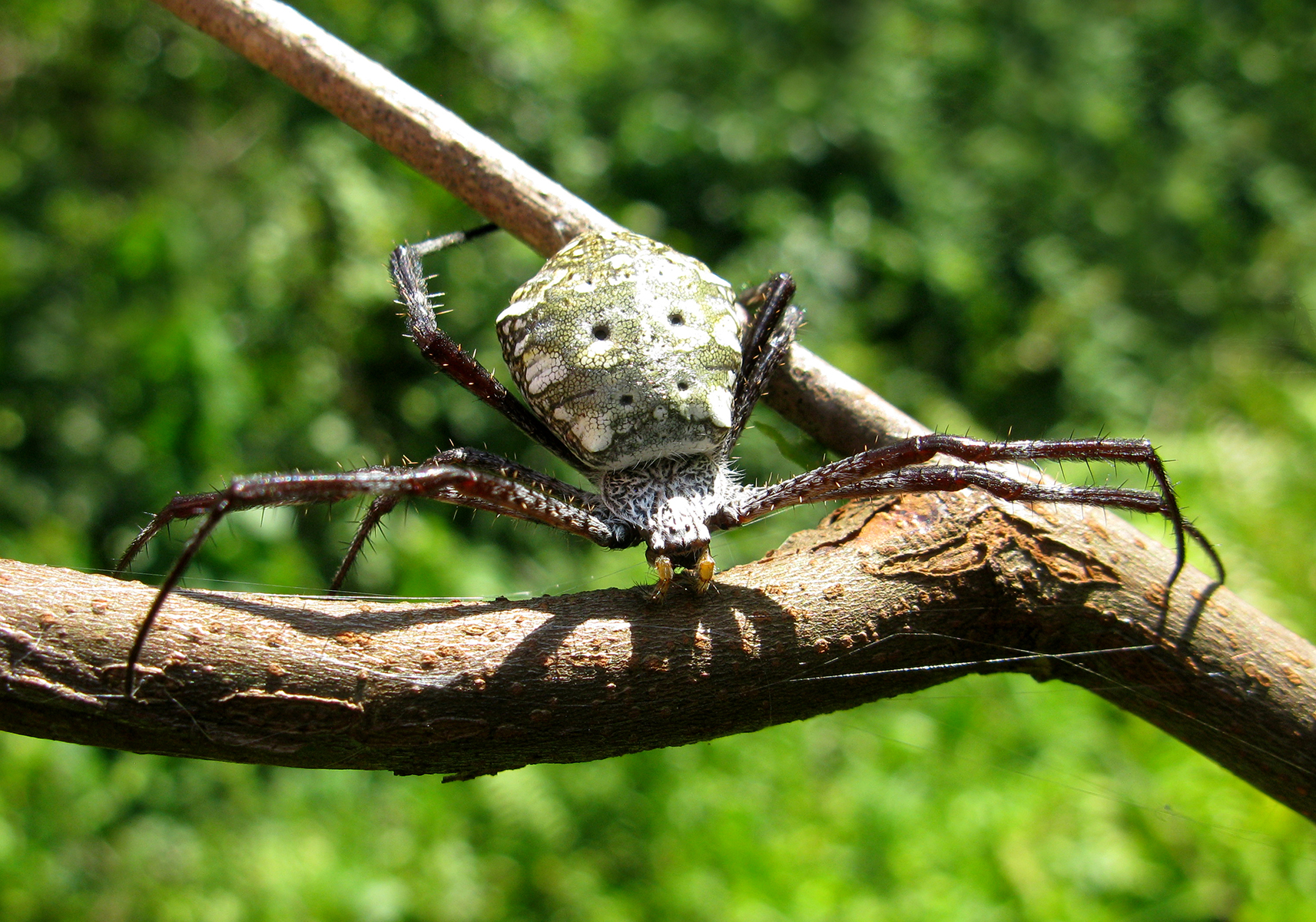
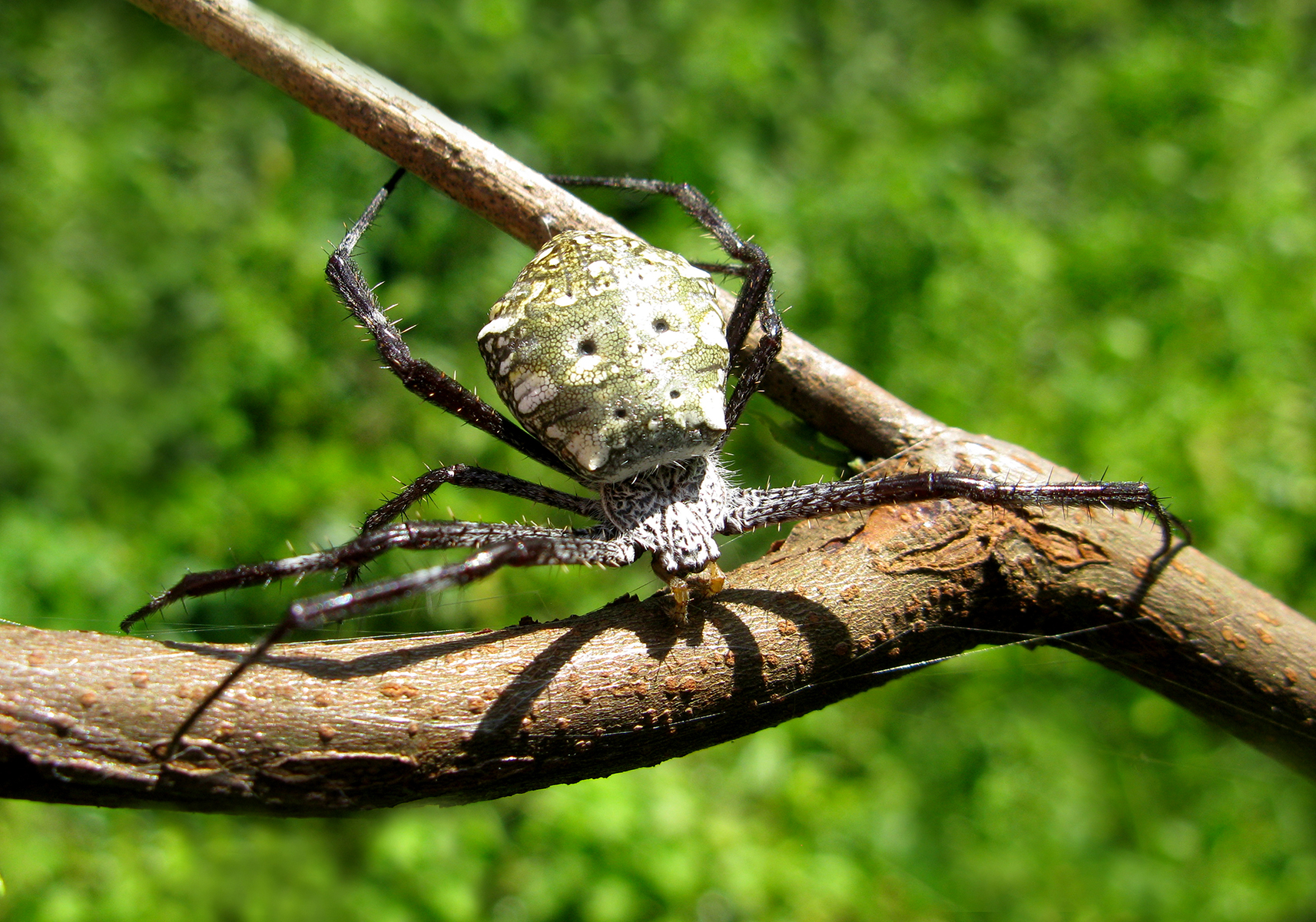
Spiders of the genus Argiope are medium to large in size and are among the most visually striking orb weavers. Females are typically much larger and more robust than males, which are small, slender, and often inconspicuous. The abdomen is usually oval to elongated and boldly patterned with contrasting bands or patches of yellow, white, black, silver, or orange. Legs are long and strong, frequently marked with rings or bands, and are often held in pairs, forming an X-shaped posture at the center of the web.
A distinctive feature of many Argiope species is the presence of a stabilimentum in the web. This structure may appear as a zigzag band, cross, or discoid patch of dense silk near the hub. While its exact function remains debated, it is thought to play roles in prey attraction, predator deterrence, structural reinforcement, or web visibility to larger animals.
Argiope species construct large, vertical orb webs with sticky capture spirals designed to intercept flying insects. They are primarily diurnal, remaining at the hub of the web during daylight hours and quickly subduing prey by wrapping it in silk before delivering venom. Webs are often repaired or rebuilt regularly.
Reproduction follows the typical araneid pattern, with complex genital structures and cautious courtship behavior due to the risk of sexual cannibalism. Females produce one or more egg sacs, often brown and papery, which are attached to vegetation near the web and contain hundreds of eggs.
Ecologically, Argiope spiders are important predators of flying insects, including many pest species. Their large size, distinctive coloration, and conspicuous webs make them ecologically significant and culturally familiar spiders, often serving as model organisms in studies of spider behavior, web architecture, and evolutionary biology.