Bali Wildlife
Every Spices Matter


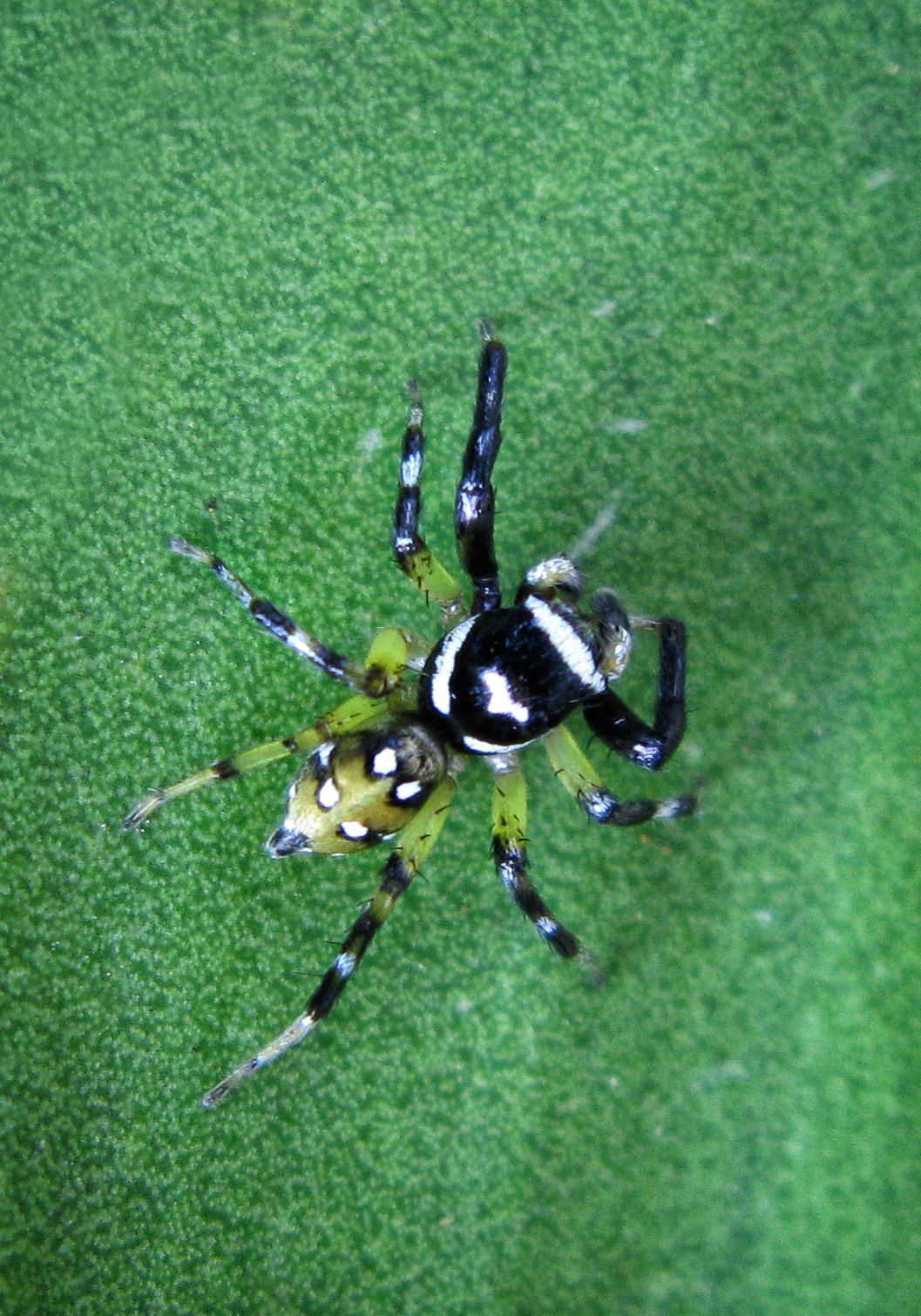
Araneomorphae is the largest and most diverse suborder within the order Araneae (Class Arachnida), comprising the vast majority of modern spiders. Members of this suborder are distributed worldwide and occupy nearly all terrestrial habitats, from forests and grasslands to deserts, wetlands, caves, and human-modified environments.
Araneomorph spiders are commonly referred to as “true spiders” and are distinguished by several key anatomical features. Most notably, their chelicerae are oriented diagonally toward each other, allowing the fangs to cross in a pincer-like motion. This contrasts with the parallel, downward-pointing chelicerae found in mygalomorph spiders. Araneomorphae generally have more flexible bodies and legs, contributing to their agility and diverse behaviors.
Body size and form within Araneomorphae vary greatly, ranging from tiny, nearly microscopic species to relatively large and conspicuous spiders. The prosoma and opisthosoma are connected by a narrow pedicel, and the abdomen often bears well-developed spinnerets. Silk use is highly diverse in this suborder, with species constructing orb webs, sheet webs, funnel webs, cobwebs, or using silk primarily for draglines, egg sacs, and retreats. Many araneomorphs are active hunters that do not build prey-capture webs.
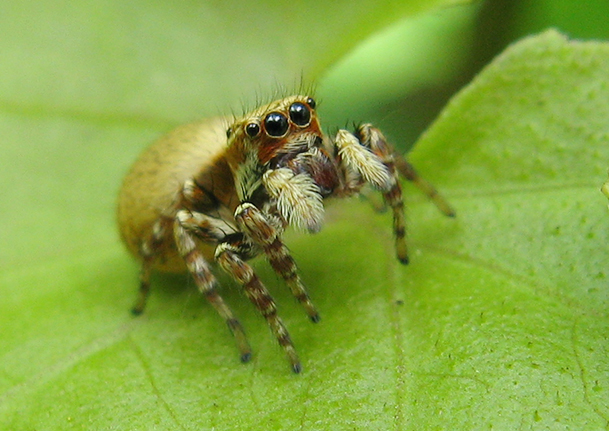
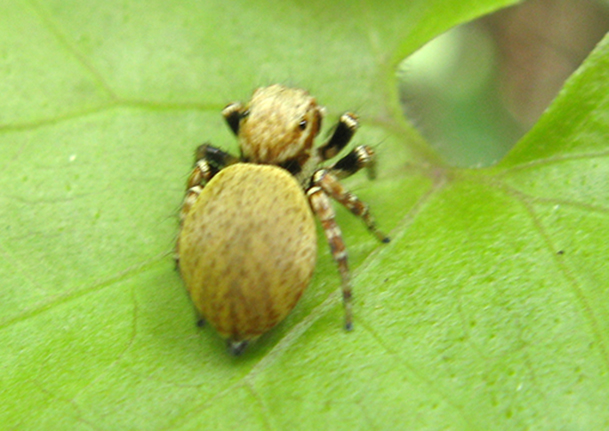
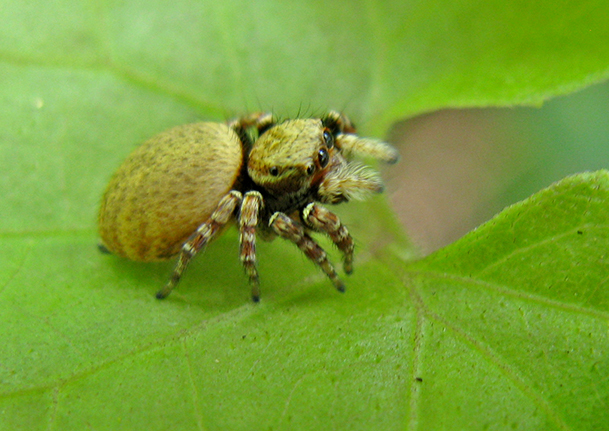
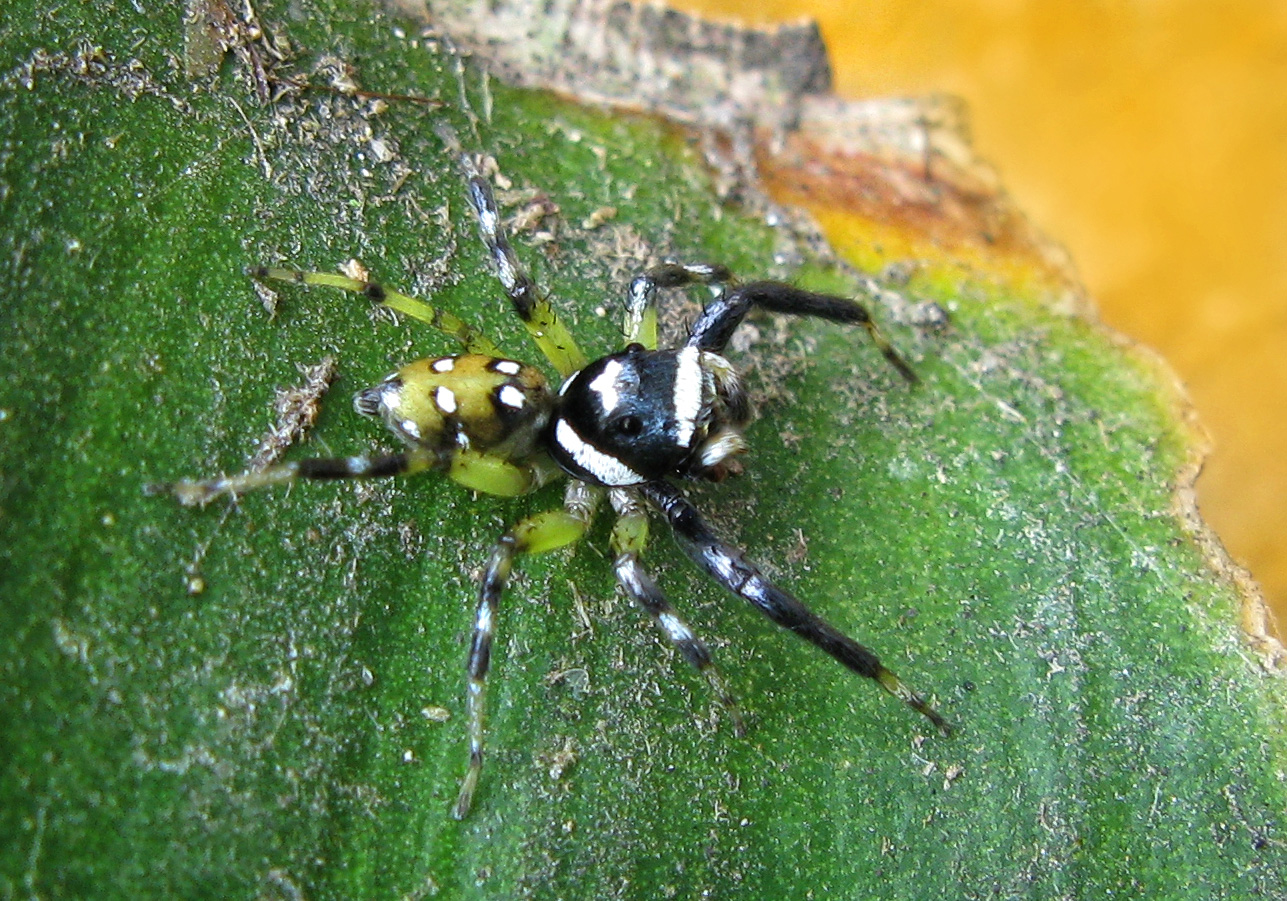
Respiration in Araneomorphae typically involves tracheae, book lungs, or a combination of both, often allowing for more efficient gas exchange compared to more primitive spiders. Most species have multiple simple eyes arranged in characteristic patterns, with vision ranging from poor to highly specialized, as seen in jumping spiders.
Araneomorphae are predominantly predatory, feeding mainly on insects and other small arthropods. Venom is commonly used to subdue prey, though in most species it is harmless to humans. Development is direct, with juveniles resembling small adults.
Ecologically, Araneomorphae play a crucial role as dominant arthropod predators in terrestrial ecosystems. Their immense diversity, advanced silk use, and wide range of hunting strategies have made them the most evolutionarily successful group of spiders.