Bali Wildlife
Every Spices Matter


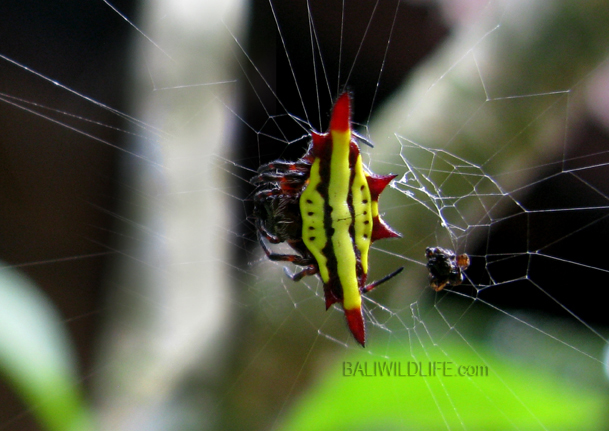
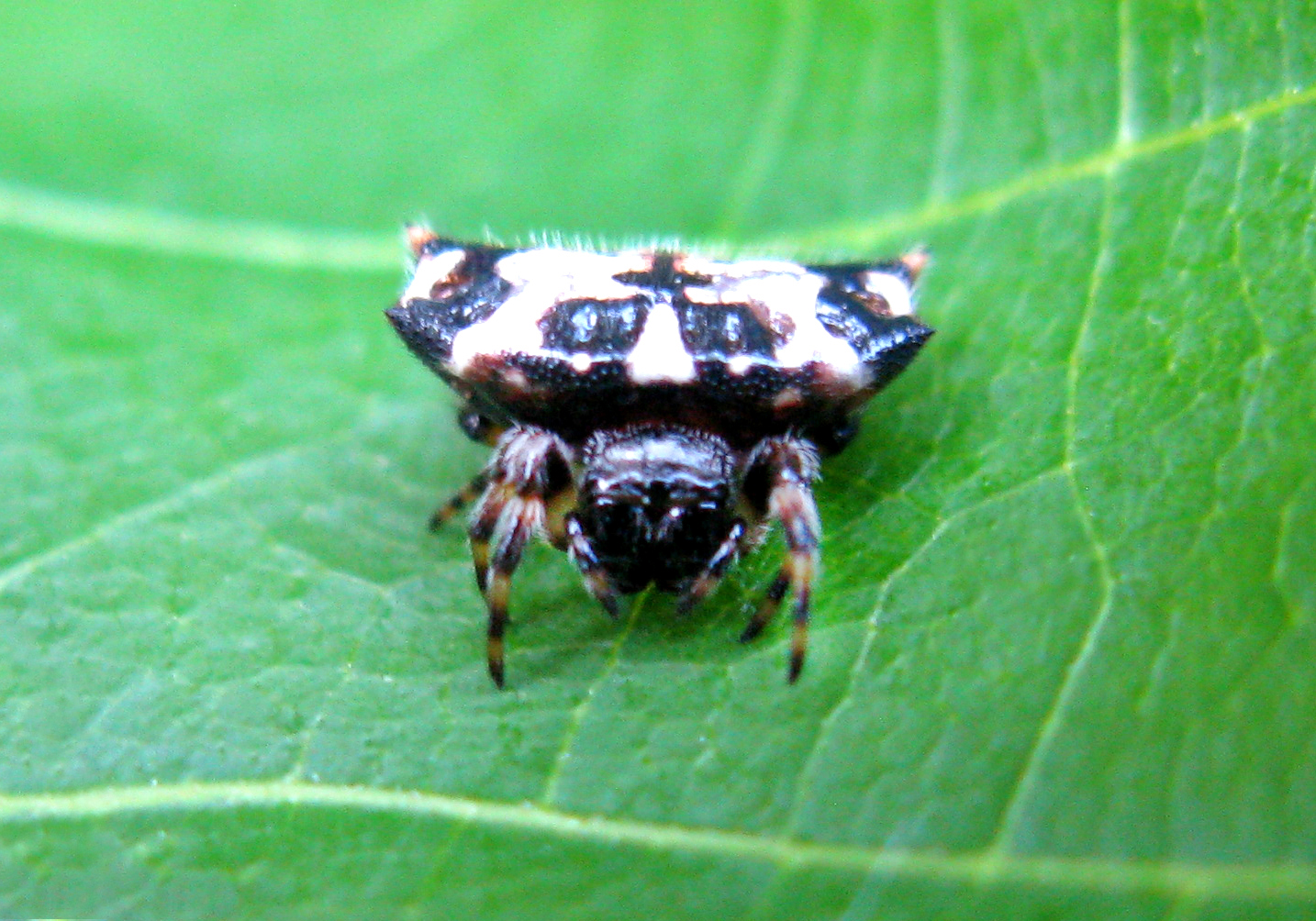
Araneoidea is a large and diverse superfamily within the infraorder Entelegynae (Suborder Araneomorphae, Order Araneae), comprising the true orb-weaving spiders and several related lineages. The superfamily has a worldwide distribution and includes many of the most familiar web-building spiders found in forests, grasslands, wetlands, gardens, and human-modified environments.
Members of Araneoidea are best known for their use of silk to construct orb webs, which are typically circular webs with radiating spokes and a sticky spiral used to capture flying insects. Although orb-web construction is characteristic of the group, some families within Araneoidea have secondarily modified or lost orb webs, producing sheet webs, tangle webs, or adopting a more active hunting lifestyle.
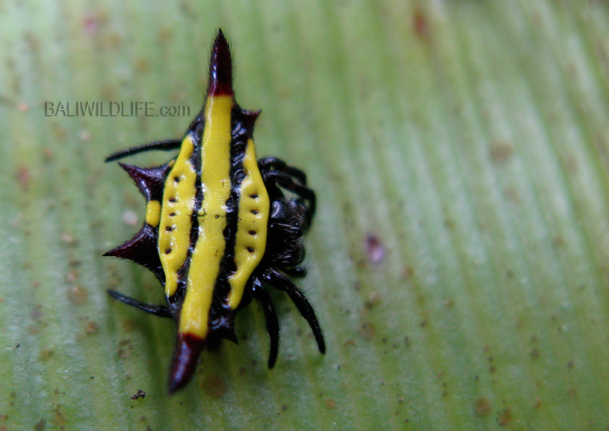
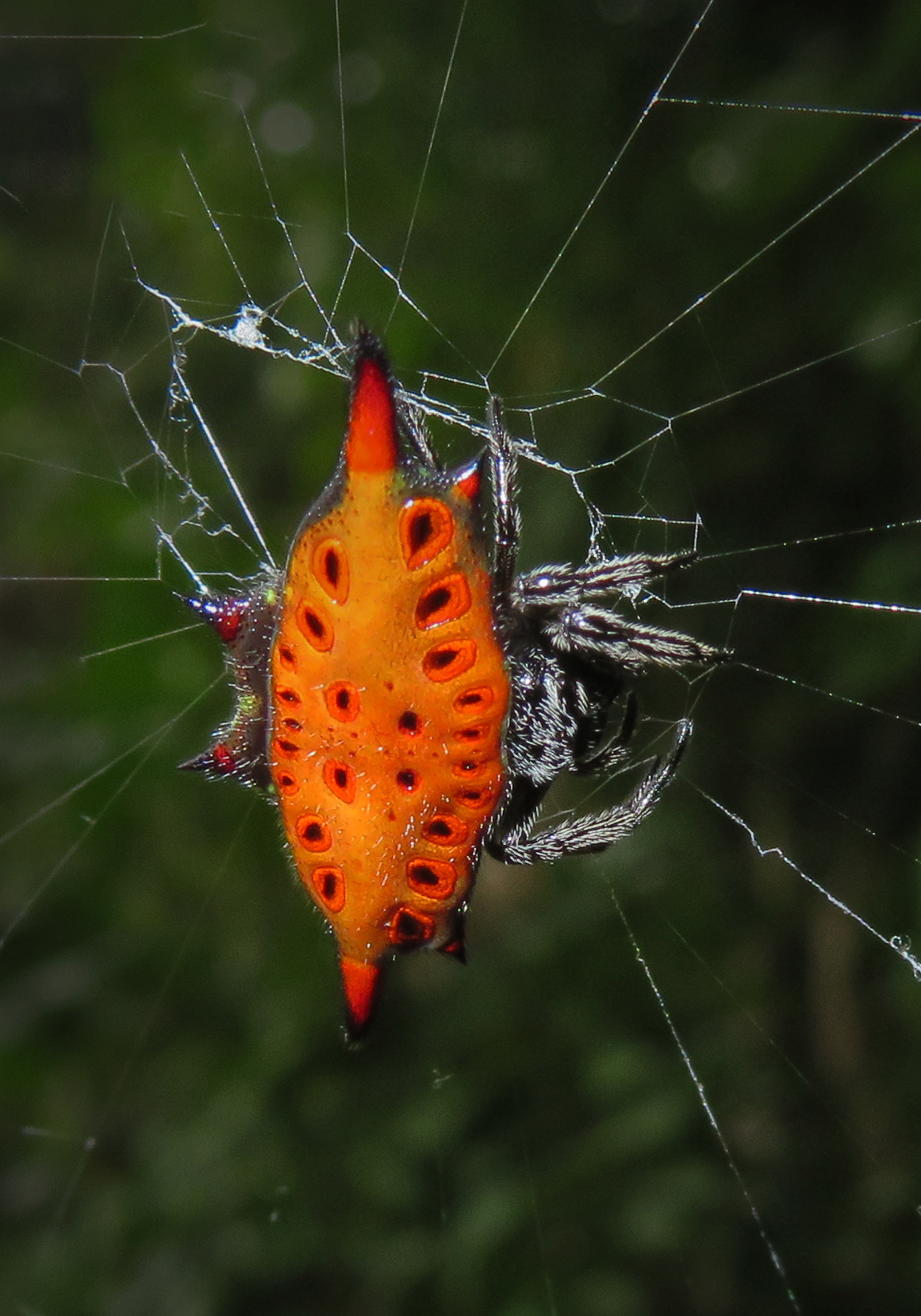
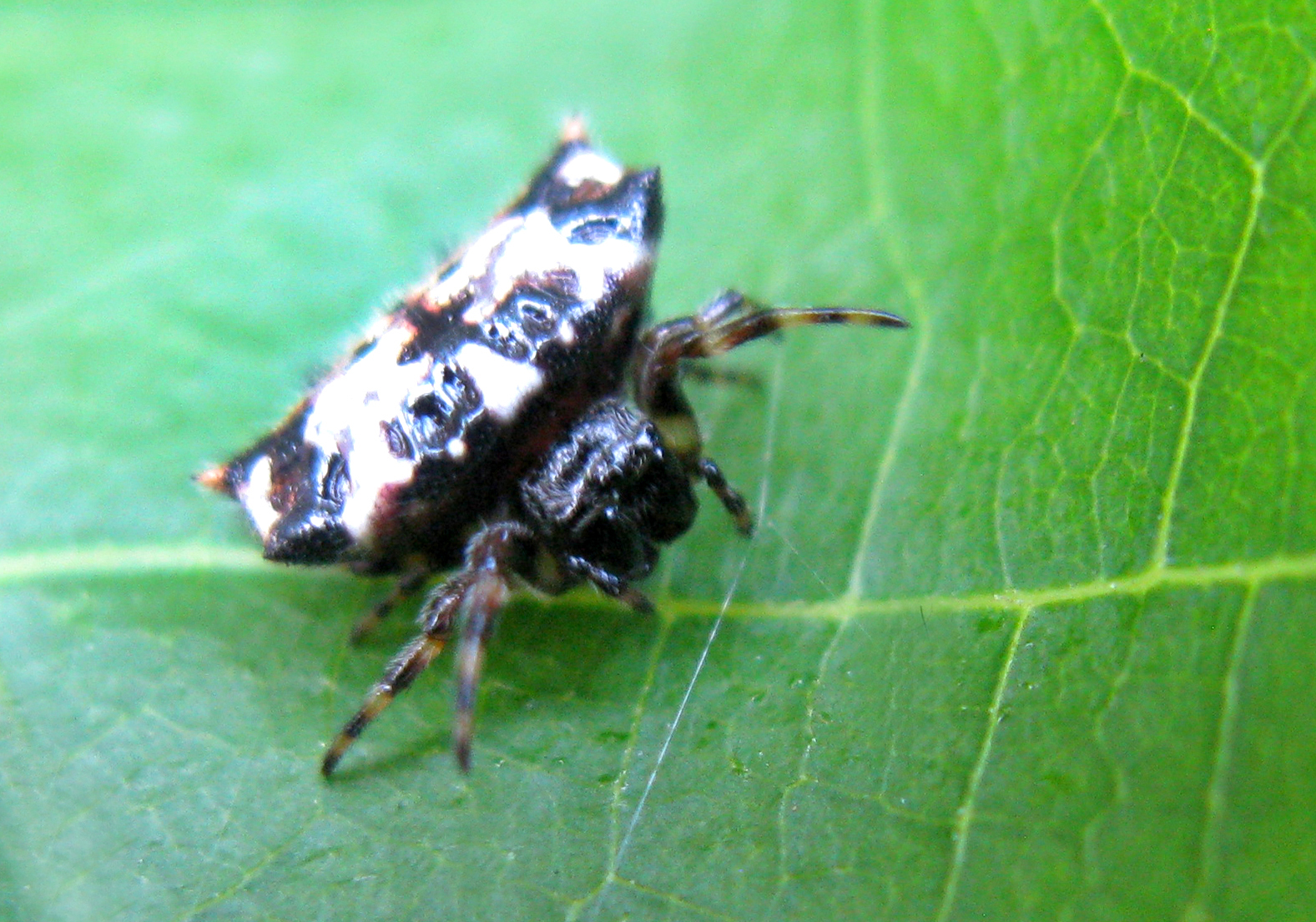
Araneoid spiders usually have a rounded or oval abdomen and relatively slender legs adapted for web construction and vibration detection. Silk glands are highly developed and specialized, allowing the production of different silk types for framework threads, sticky capture spirals, egg sacs, and safety lines. Most species possess a well-developed cribellum-free (ecribellate) silk system with adhesive glue droplets on capture threads.
Reproductive anatomy follows the entelegyne condition, with complex and highly species-specific genital structures in both sexes. Male palpal organs and female epigynes are important for mating and species identification. Development is direct, with spiderlings resembling miniature adults.
Ecologically, Araneoidea play a crucial role as aerial insect predators. By capturing large numbers of flying insects, they contribute significantly to the regulation of insect populations and energy flow in terrestrial ecosystems. The superfamily includes several well-known families, such as Araneidae, Tetragnathidae, Theridiidae, and Nephilidae (often treated as part of Araneidae), reflecting its great diversity in morphology, behavior, and web architecture.