Bali Wildlife
Every Spices Matter


Araneidae, commonly known as the orb-weaver spiders, is one of the largest and most diverse families within the superfamily Araneoidea (Order Araneae). The family has a worldwide distribution and is abundant in a wide range of habitats, including forests, grasslands, wetlands, gardens, agricultural fields, and urban environments.
Members of Araneidae are best known for constructing classic orb-shaped webs, consisting of radiating spokes and a spiral of sticky capture threads. These webs are typically built in open spaces between vegetation and are used to capture flying insects. Most araneids rebuild or repair their webs regularly, often on a daily basis, usually during evening or nighttime hours.
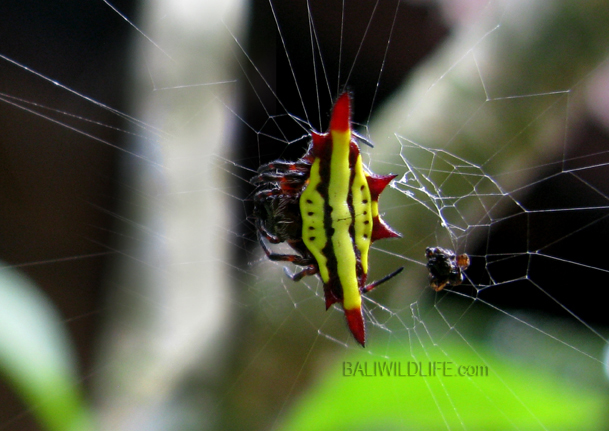
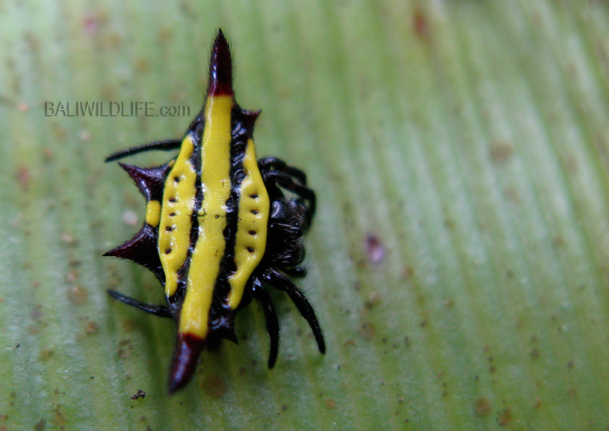
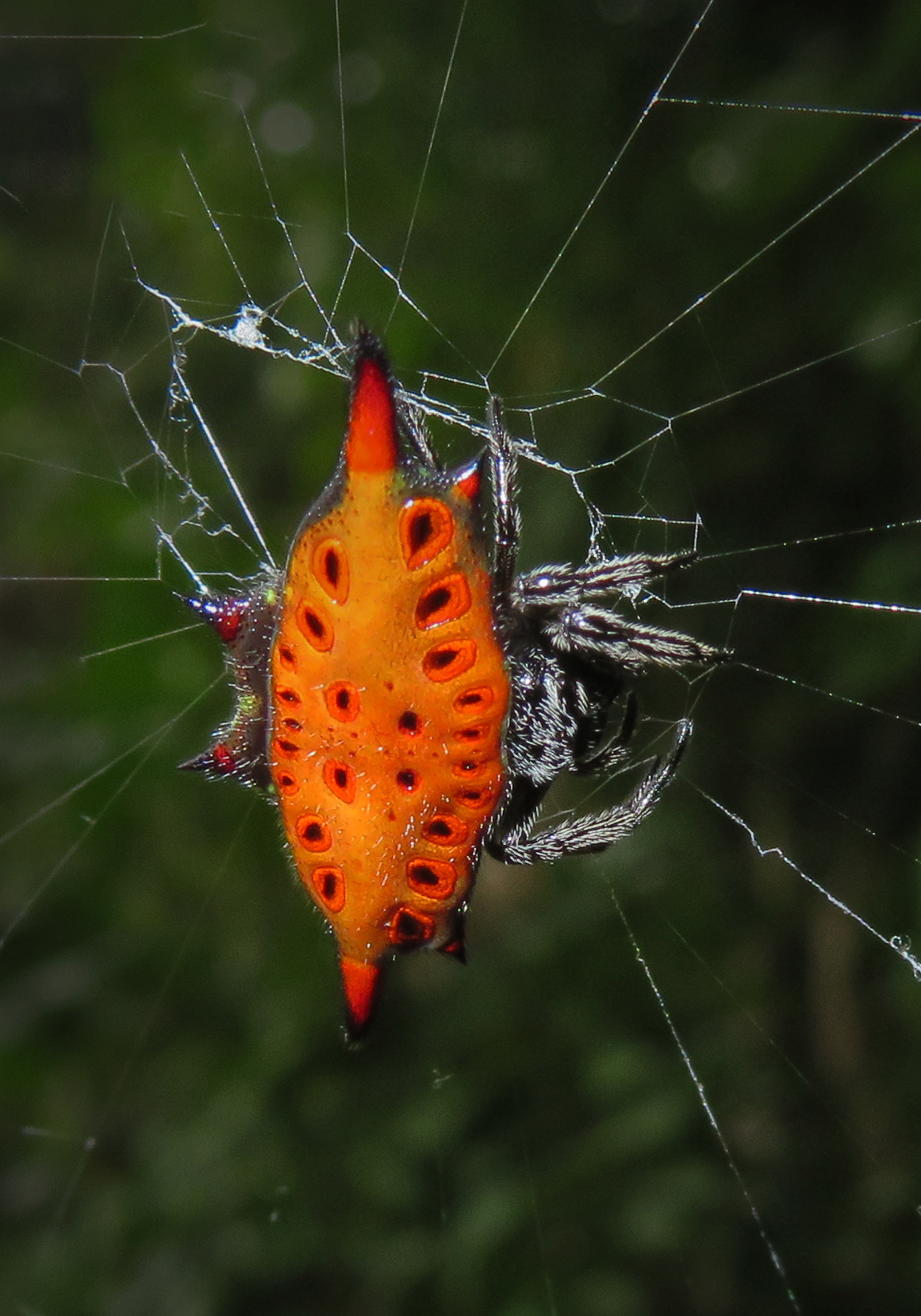
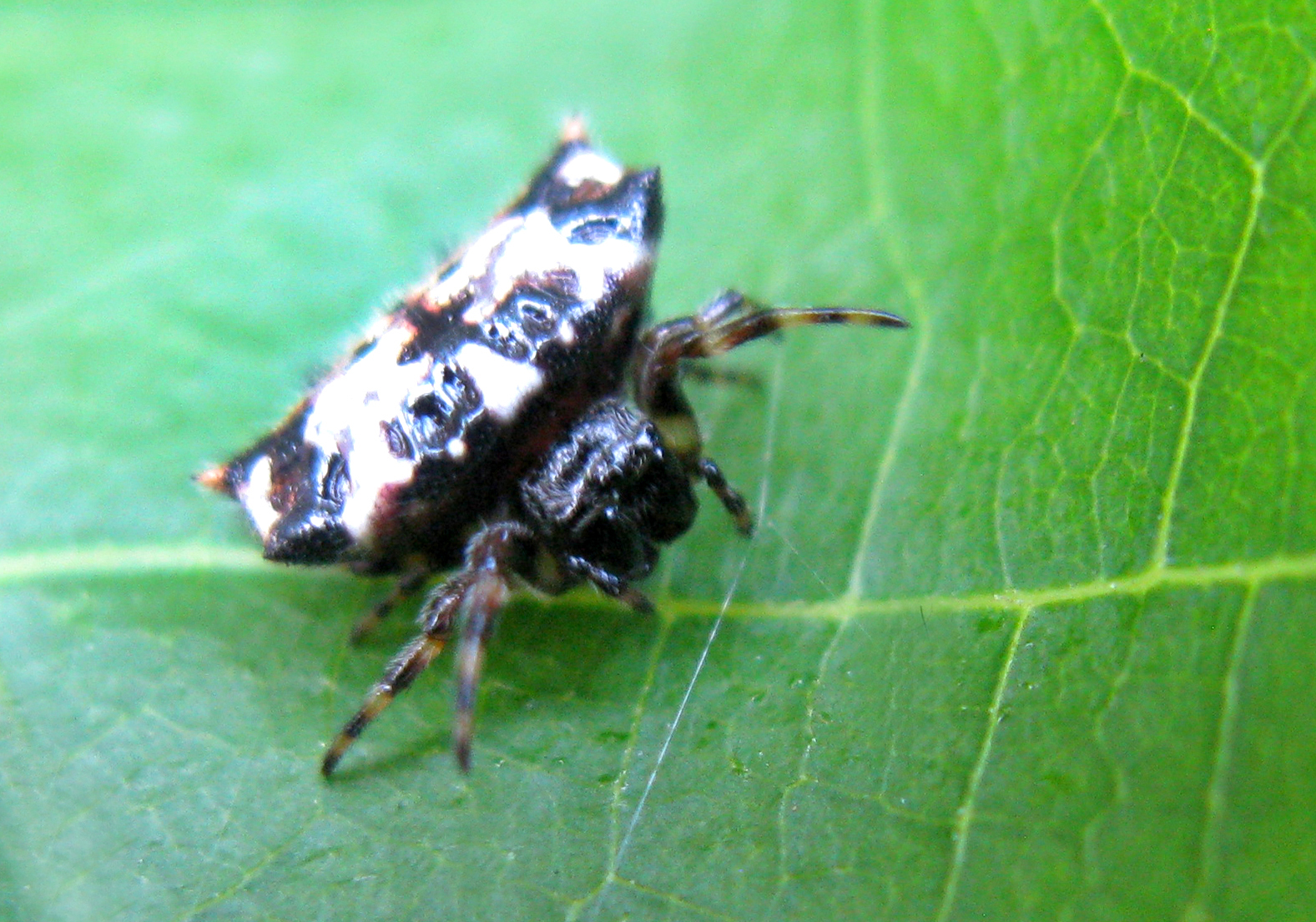
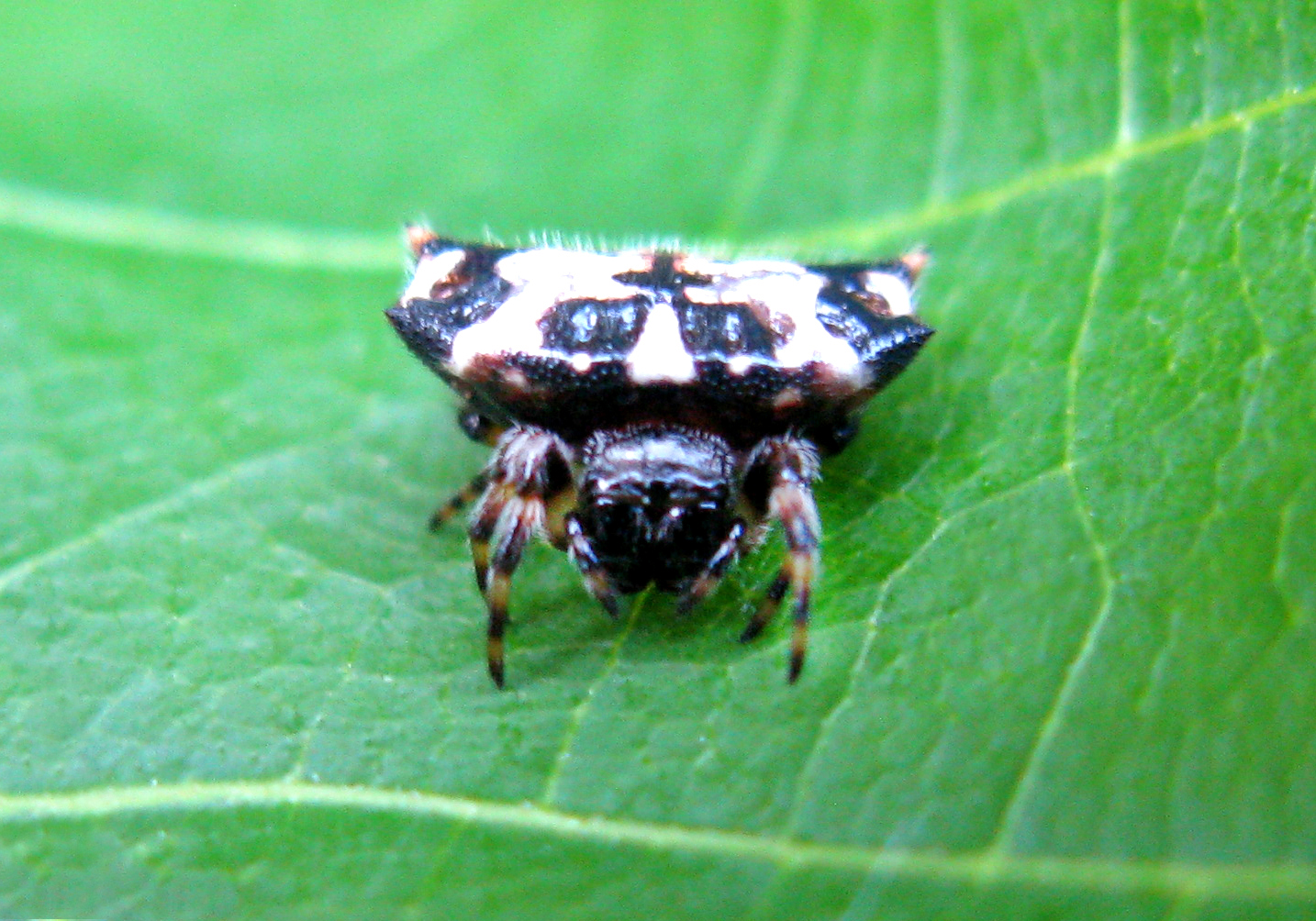
Araneid spiders generally have a robust body with a rounded or oval abdomen, often brightly colored or patterned with spots, stripes, or bands. Some species possess distinctive abdominal projections or spines that contribute to camouflage or predator deterrence. Legs are usually long and spiny, aiding in web construction and prey handling. Sexual dimorphism is common, with females typically larger and more conspicuous than males.
Silk production in Araneidae is highly specialized. Multiple silk glands allow the production of different types of silk for web framework, sticky capture threads, egg sacs, and safety draglines. Most species are ecribellate, using adhesive droplets rather than woolly silk to trap prey.
Reproduction follows the entelegyne pattern typical of advanced araneomorph spiders. Females produce egg sacs that are often suspended in the web or attached to nearby vegetation. Development is direct, with spiderlings hatching as miniature versions of adults and dispersing, often by ballooning.
Ecologically, Araneidae play a vital role as predators of flying insects, including many pest species. Their orb webs are efficient prey-capture devices that contribute significantly to insect population control and the structure of terrestrial food webs. The family includes many well-known genera such as Araneus, Argiope, Nephila (often placed within Araneidae), and Gasteracantha, highlighting its remarkable diversity in form and behavior.