Bali Wildlife
Every Spices Matter


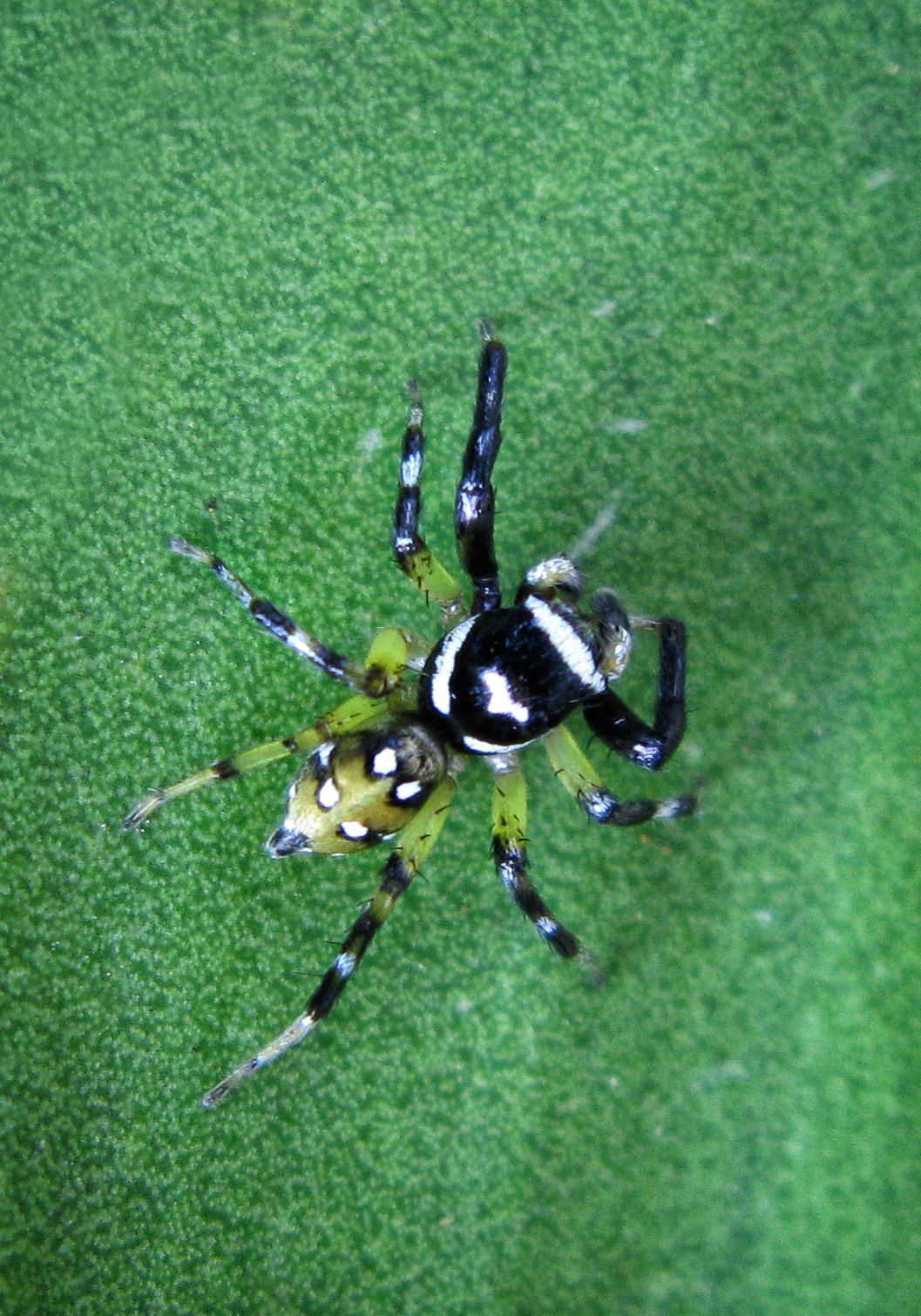
Araneae is the order of arachnids commonly known as spiders. It is one of the largest and most diverse orders within the class Arachnida, with tens of thousands of described species distributed across all continents except Antarctica. Spiders inhabit nearly every terrestrial ecosystem, including forests, grasslands, deserts, wetlands, caves, and human dwellings.
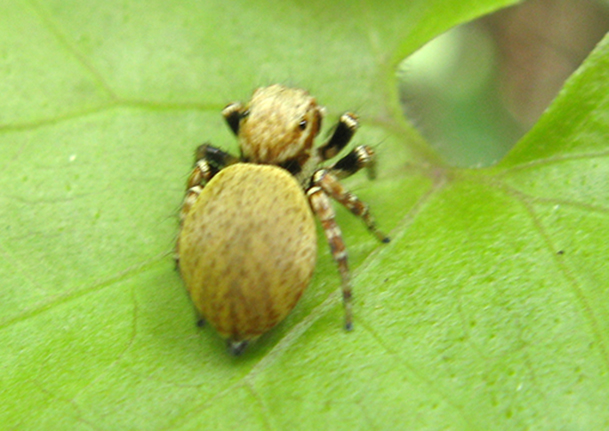
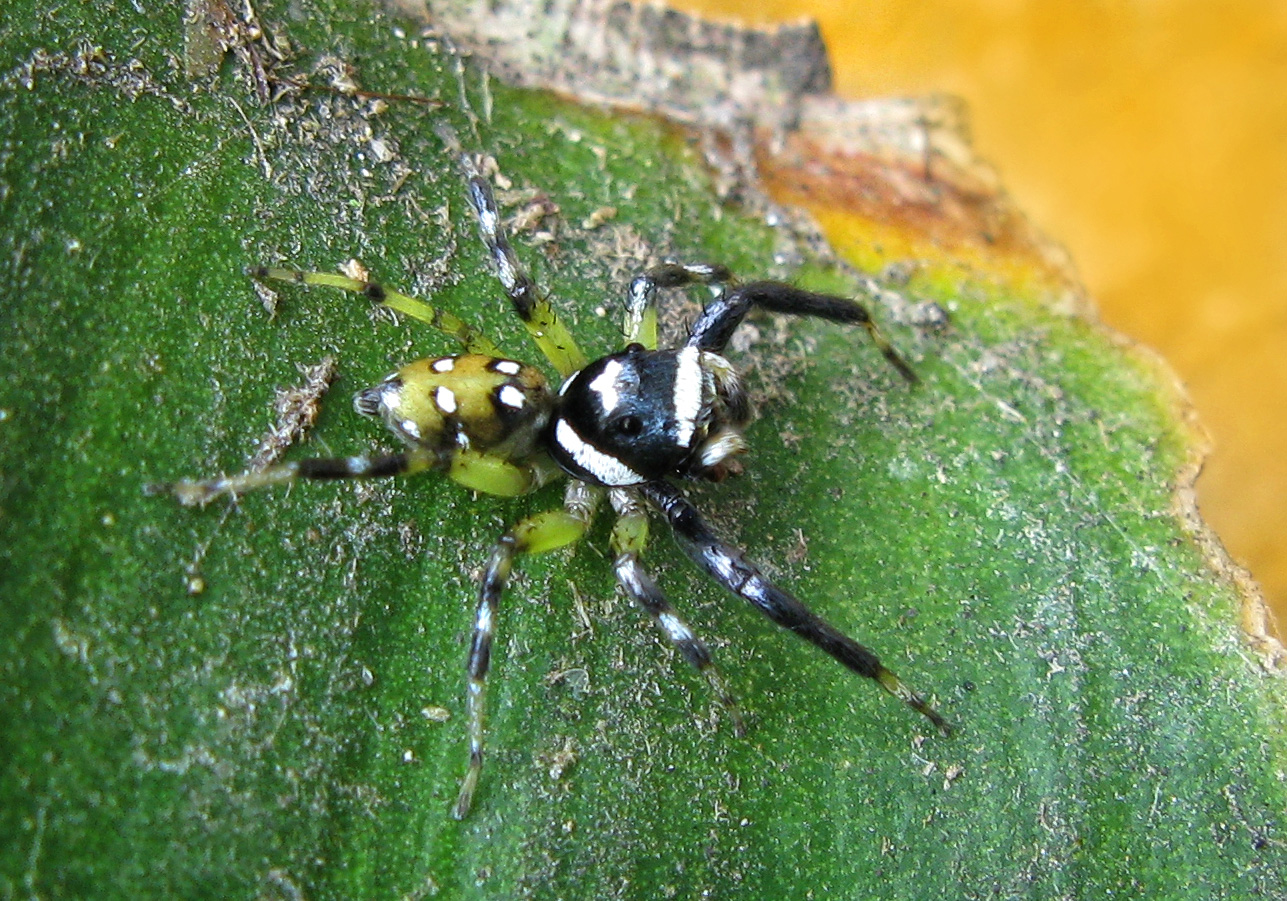
Members of Araneae are characterized by a body divided into two main regions: the prosoma (cephalothorax) and the opisthosoma (abdomen), connected by a narrow pedicel. They possess four pairs of walking legs, a pair of chelicerae typically equipped with fangs, and a pair of pedipalps, which are often modified in males for sperm transfer. Unlike insects, spiders lack antennae and wings.
A defining feature of spiders is their ability to produce silk, which is secreted from specialized glands and extruded through spinnerets located on the abdomen. Spider silk is used for a variety of purposes, including web construction, prey capture, egg protection, dispersal (ballooning), and creating retreats or draglines. Web types vary widely among species and include orb webs, sheet webs, funnel webs, and irregular cobwebs, while many spiders are active hunters that do not rely on webs.
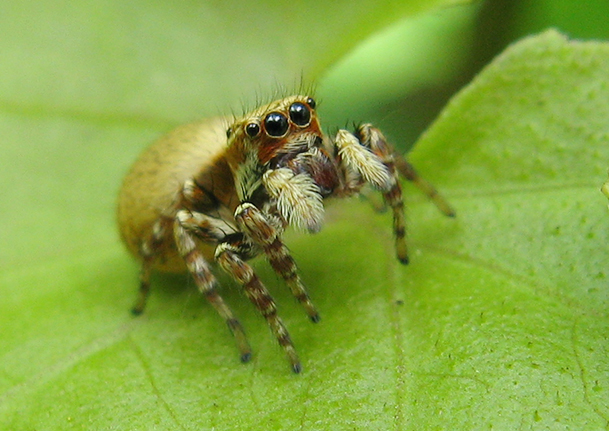
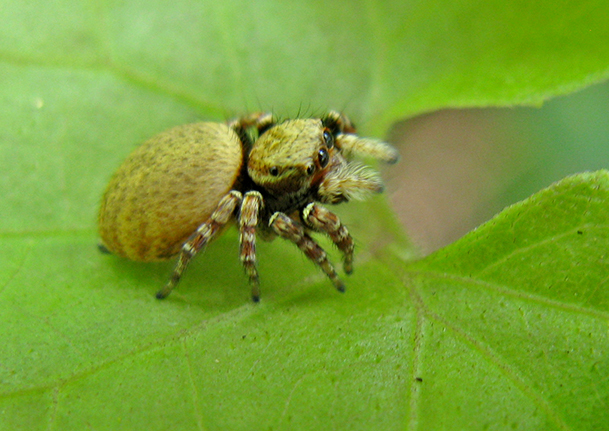
Respiration in spiders occurs through book lungs, tracheae, or both, depending on the group. Most spiders possess multiple simple eyes, arranged in species-specific patterns that are important for identification. Vision ranges from relatively poor to highly developed, especially in active hunting spiders such as jumping spiders.
Spiders are primarily carnivorous, feeding on insects and other small arthropods, and occasionally small vertebrates. Many species use venom to immobilize or kill prey, though only a small number pose any significant risk to humans. Development is generally direct, with spiderlings resembling miniature adults after hatching.
Ecologically, spiders are vital predators in terrestrial ecosystems, helping to control insect populations and maintain ecological balance. Their diversity, specialized behaviors, and unique silk production make Araneae one of the most ecologically significant and evolutionarily successful orders of arthropods.