Bali Wildlife
Every Spices Matter


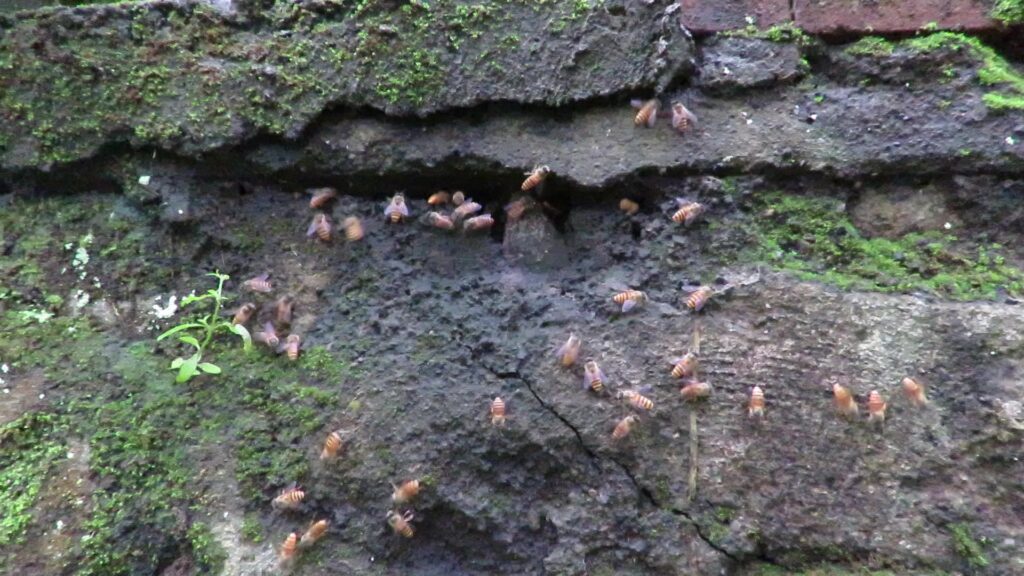
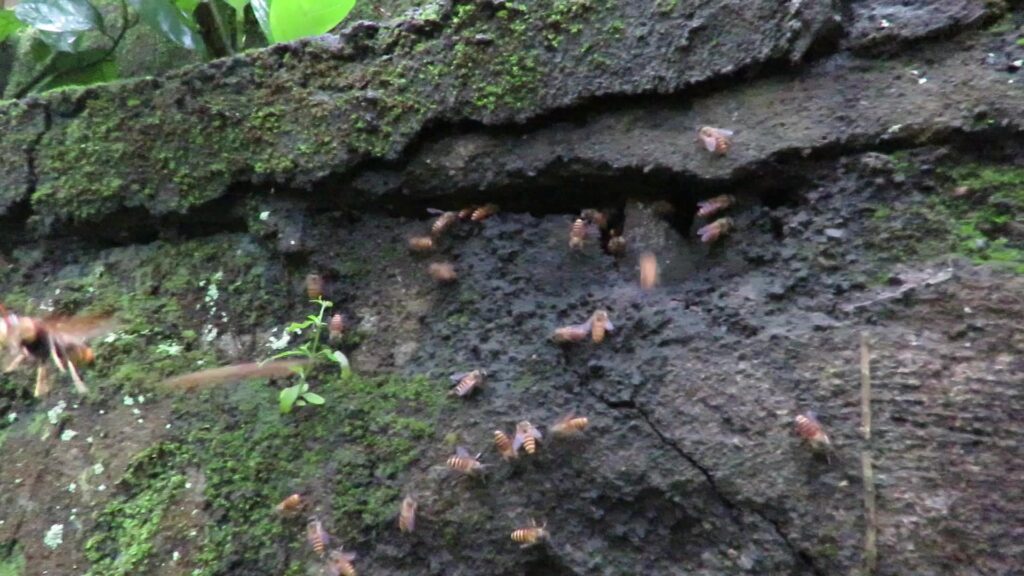
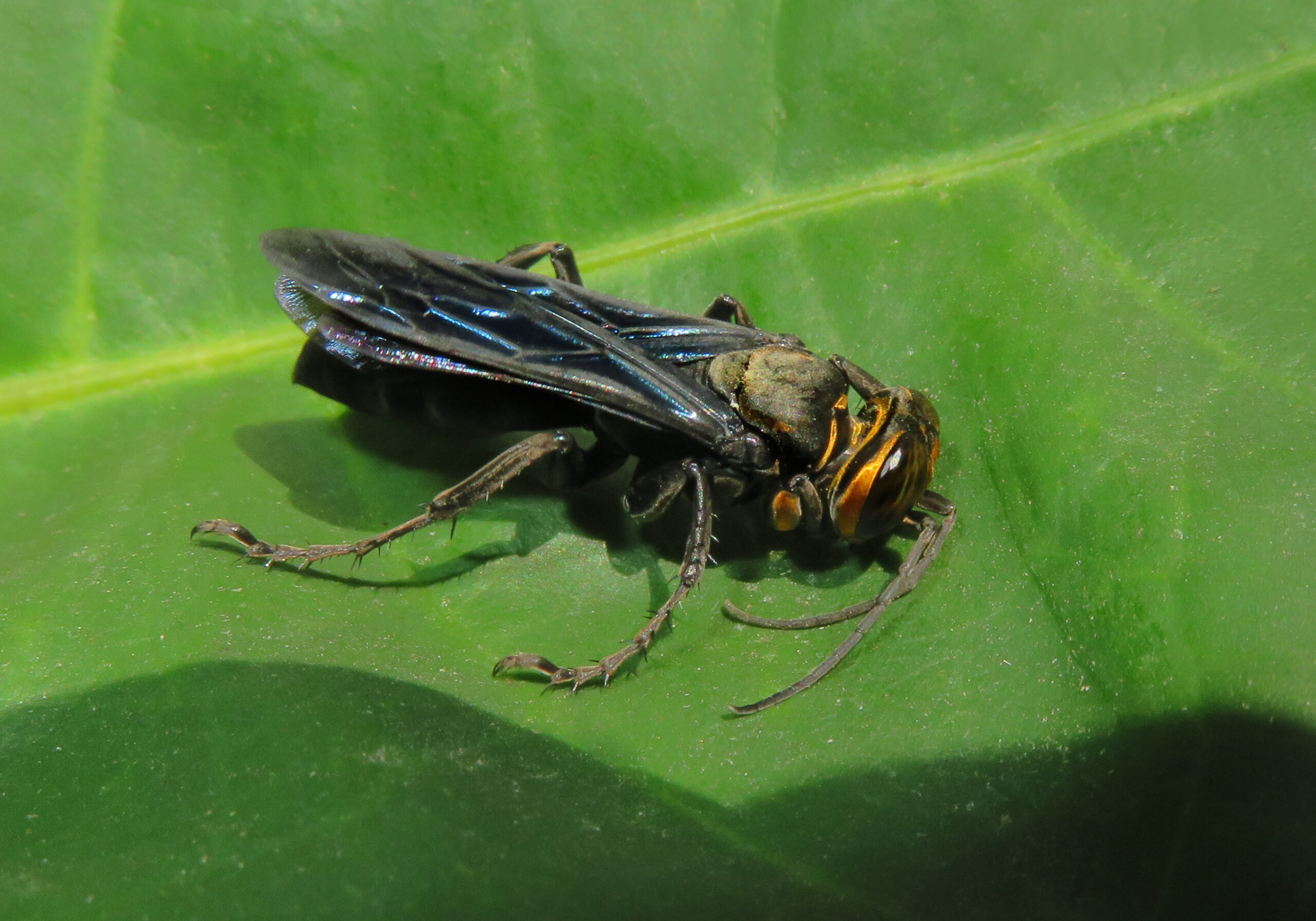
Apoidea is a large and ecologically significant superfamily within the order Hymenoptera, comprising bees and certain groups of wasps closely related to them. Members of Apoidea are distributed worldwide and occupy a wide range of habitats, from forests and grasslands to deserts, agricultural landscapes, and urban environments. This superfamily includes some of the most important pollinators in terrestrial ecosystems.
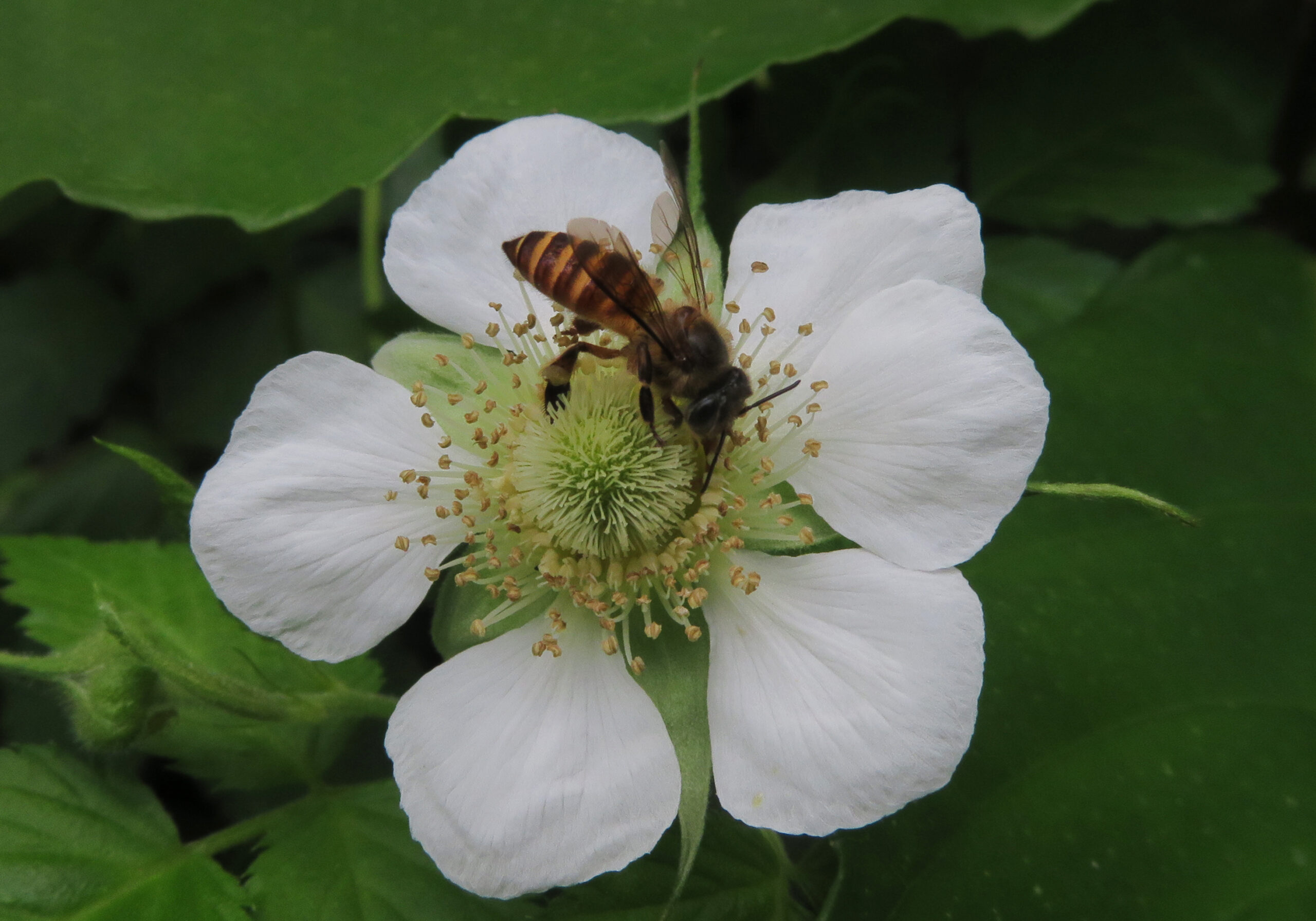
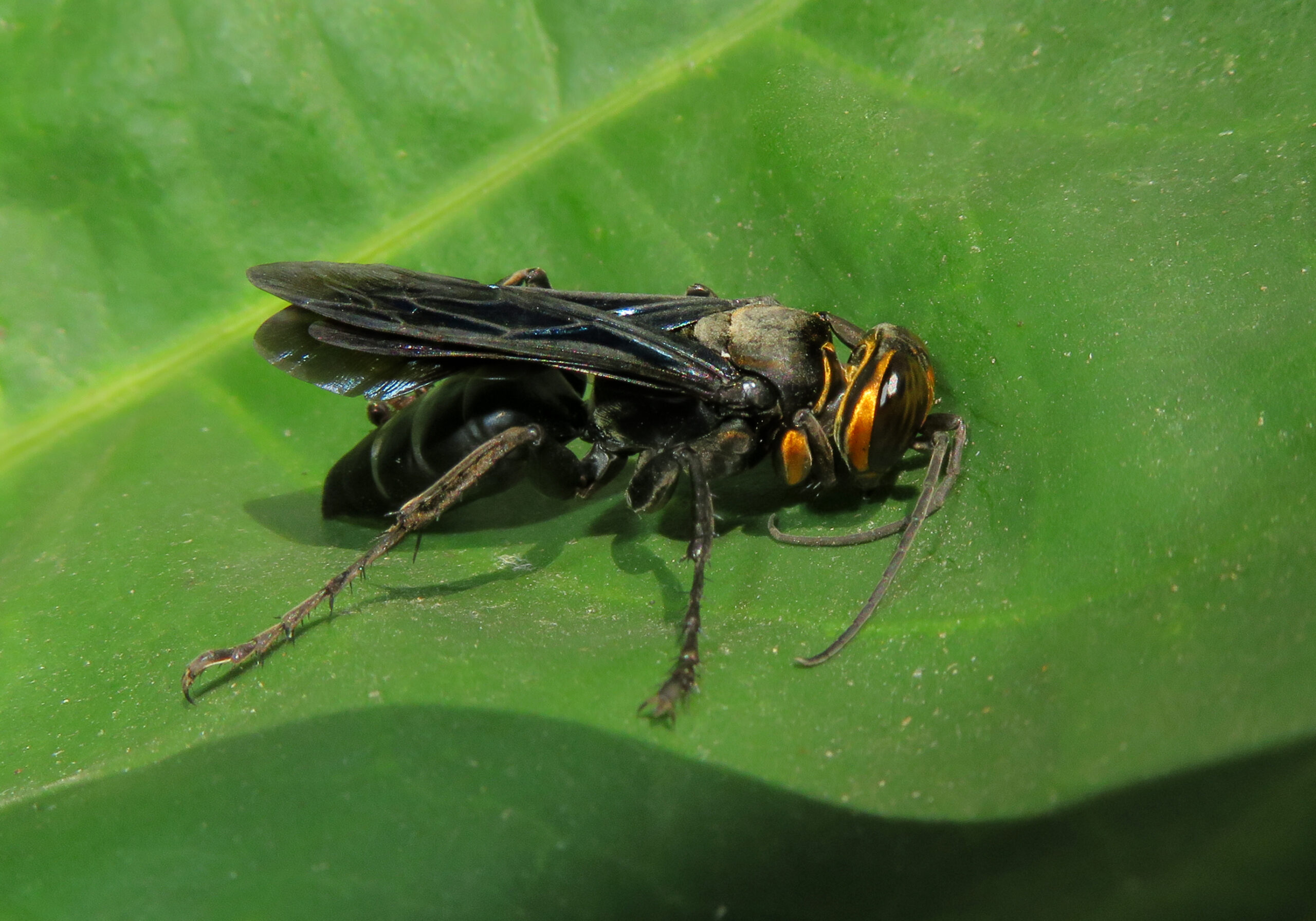
Apoidea is divided into two main groups: the sphecoid wasps (such as Sphecidae and Crabronidae) and the bees (Anthophila). While wasps in this group are typically predators that provision their nests with captured prey, bees have evolved to feed primarily on nectar and pollen, making them specialized pollinators.
Members of Apoidea generally have a well-developed head with large compound eyes and often long antennae. The body is typically divided into head, thorax, and abdomen, with a narrow waist (petiole) connecting the thorax and abdomen. Wings are membranous, with two pairs present in most species. Many bees possess branched (plumose) hairs that are adapted for collecting pollen.
The life cycle involves complete metamorphosis, with egg, larval, pupal, and adult stages. Nesting behavior varies widely. Some species are solitary, constructing nests in soil, wood, or plant stems, while others are highly social, forming complex colonies with division of labor, as seen in honeybees and bumblebees.
Feeding habits differ between groups. Bees rely on nectar as an energy source and pollen as a protein source, while sphecoid wasps typically hunt and paralyze prey such as insects or spiders to provision their larvae.
The superfamily includes important families such as Apidae (honeybees, bumblebees), Megachilidae (leafcutter and mason bees), Halictidae (sweat bees), Sphecidae (thread-waisted wasps), and Crabronidae (sand wasps).
Ecologically, Apoidea plays a crucial role in pollination, supporting the reproduction of a vast number of flowering plants, including many crops essential to human agriculture. Bees, in particular, are among the most important pollinators globally. Additionally, predatory wasps contribute to controlling insect populations. The superfamily Apoidea is therefore vital for ecosystem stability, biodiversity, and food production.