Bali Wildlife
Every Spices Matter


Apocrita is a major suborder within the order Hymenoptera, encompassing the vast majority of wasps, bees, and ants. This suborder represents the most evolutionarily advanced and ecologically diverse lineage of hymenopteran insects, with a global distribution across nearly all terrestrial habitats.
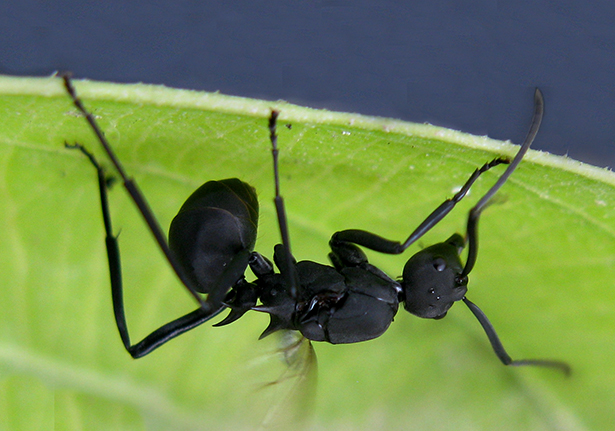
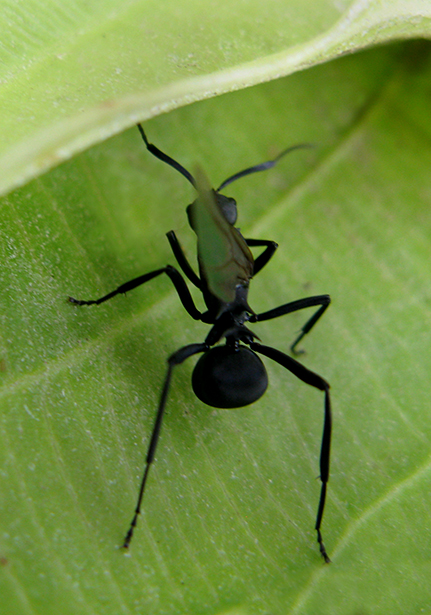
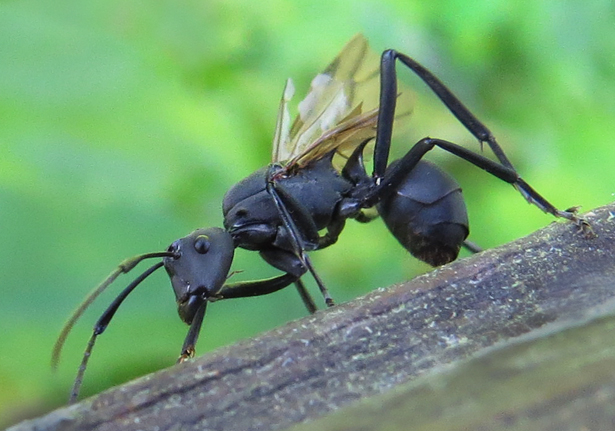
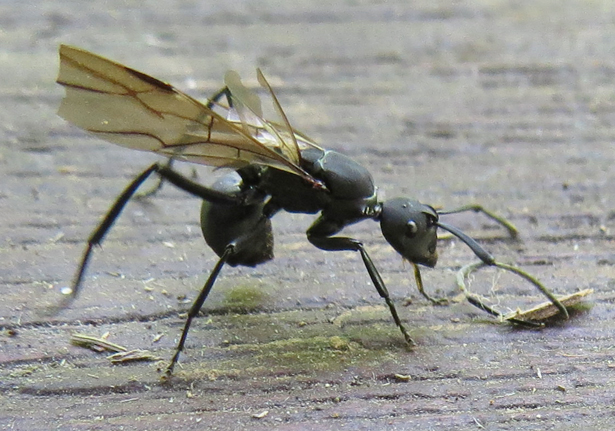
Members of Apocrita are distinguished by the presence of a constricted waist, or petiole, separating the thorax from the abdomen. This structural modification provides increased abdominal flexibility, allowing precise control of the ovipositor or stinger and enhancing maneuverability during feeding, defense, or egg-laying.
The ovipositor in many apocritans is highly specialized. In aculeate groups, it is modified into a stinger used for defense or to paralyze prey, while in parasitic lineages it functions as a tool for inserting eggs into or onto hosts. Venom glands are commonly associated with the ovipositor and play important roles in prey immobilization and defense.
Apocrita exhibit extraordinary ecological and behavioral diversity. Many species are solitary predators or parasitoids, while others—most notably ants, many bees, and some wasps—are eusocial, forming complex colonies with division of labor, caste systems, and sophisticated communication via pheromones and tactile signals.
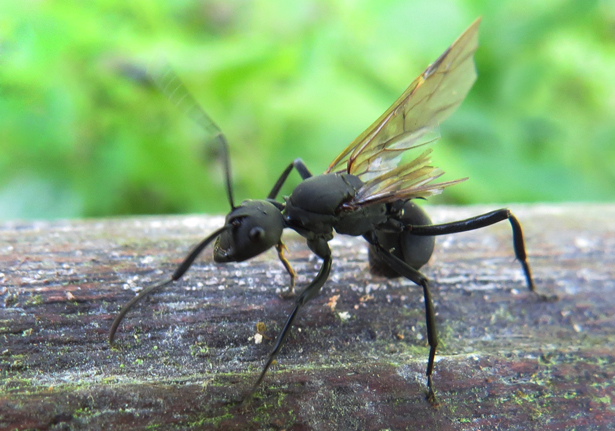
Morphologically, apocritans typically have two pairs of membranous wings (when present) linked by hamuli, mandibulate mouthparts that may be adapted for chewing, cutting, or lapping, and well-developed sensory organs. Wingless forms occur frequently, especially among worker ants and certain parasitoid wasps.
Development is holometabolous, with distinct egg, larval, pupal, and adult stages. Many apocritans display specialized reproductive strategies, including haplodiploid sex determination, which influences social structure and kin selection in eusocial species.
Ecologically, Apocrita play vital roles as pollinators, predators, parasitoids, scavengers, and ecosystem engineers. Their activities strongly influence insect population dynamics, plant reproduction, soil processes, and food web stability.
Suborder Apocrita represents one of the most successful and influential insect radiations, characterized by morphological innovation, complex behavior, and profound ecological impact.