

Apine Bees (Subfamily Apinae)
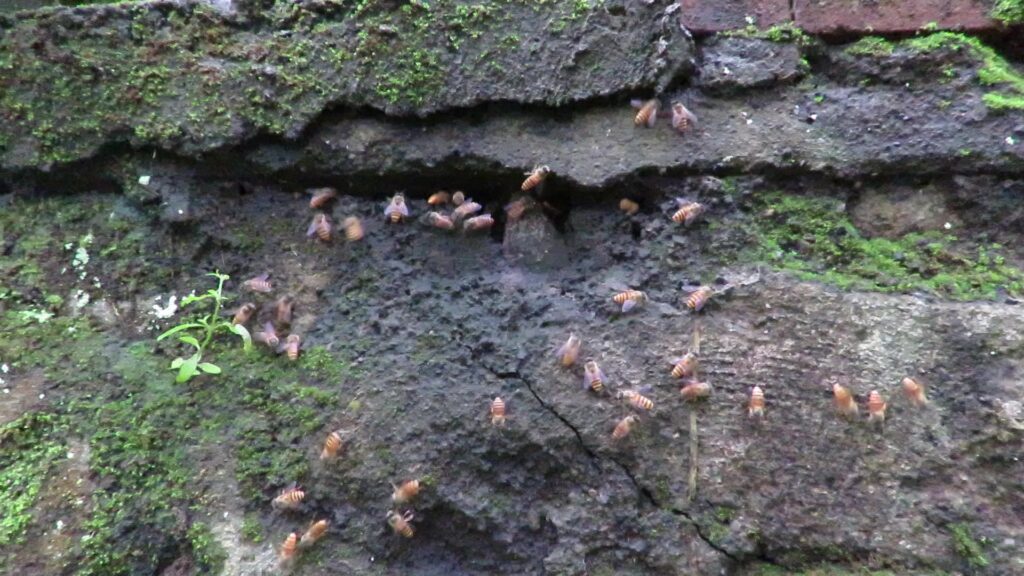
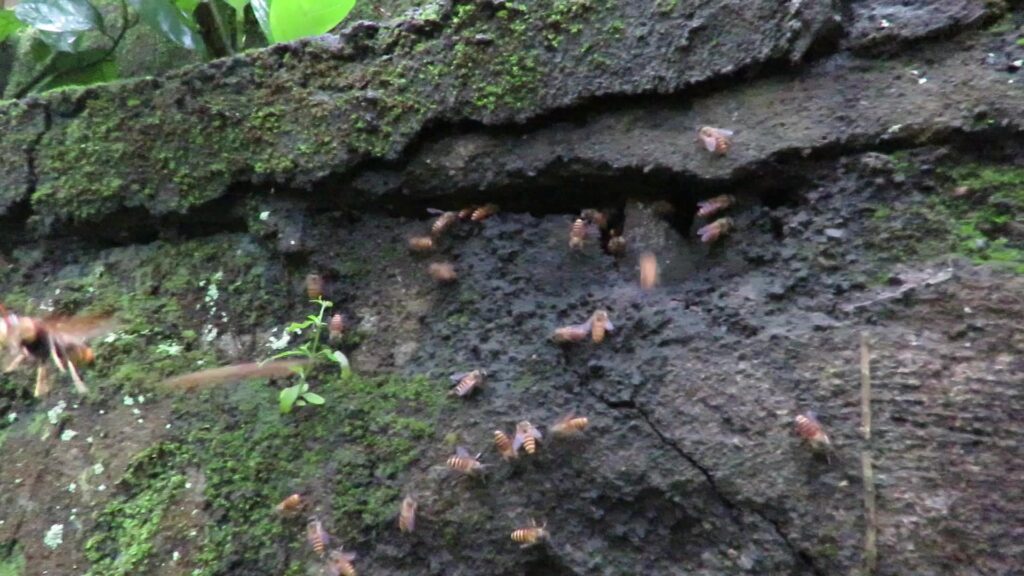
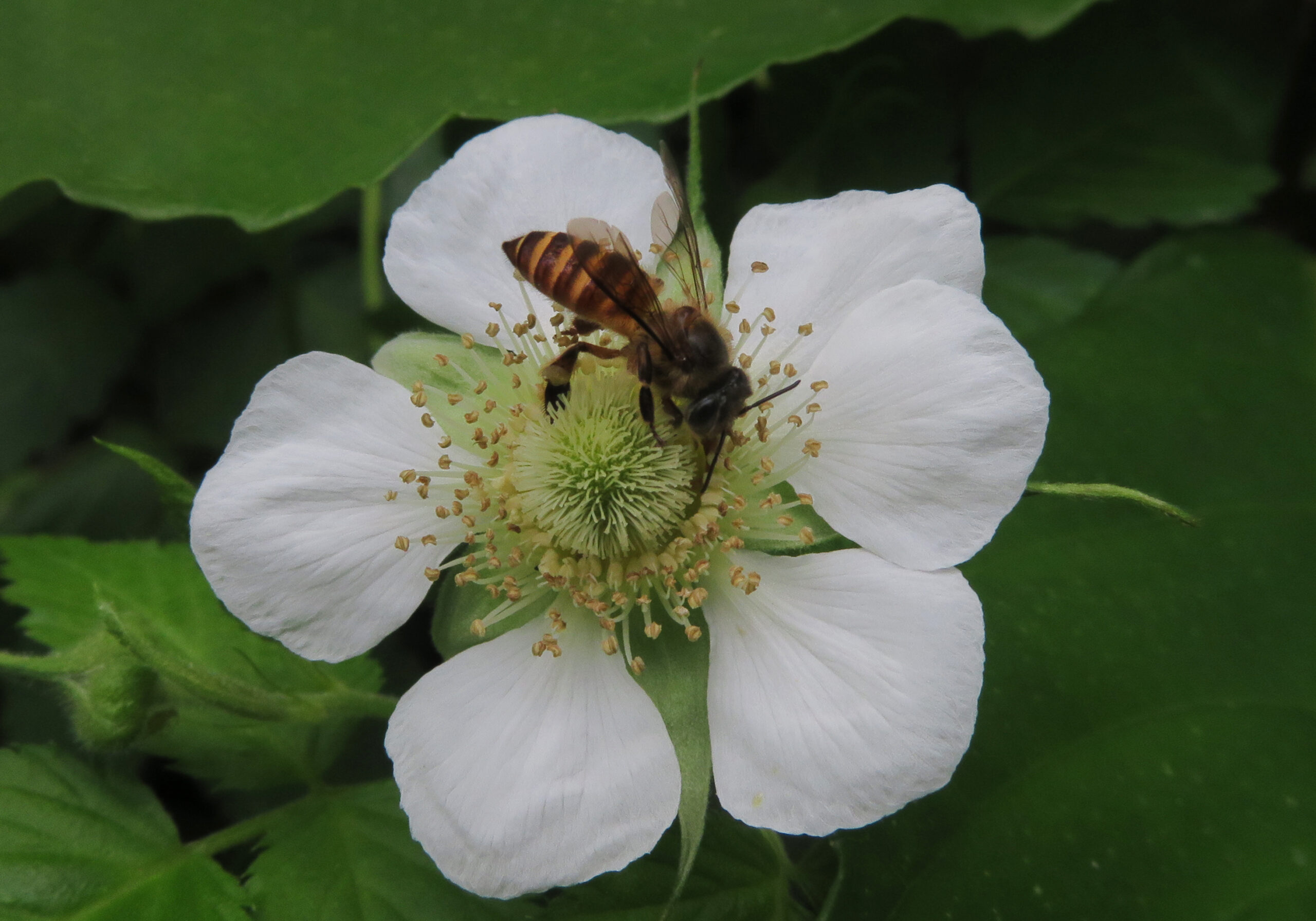
Apinae is the largest and most diverse subfamily of bees within the family Apidae (Order Hymenoptera). The subfamily comprises more than 5,500 described species distributed on every continent except Antarctica, with the greatest diversity occurring in tropical and subtropical regions. Members occupy a wide variety of habitats, including tropical rainforests, temperate forests, grasslands, savannas, shrublands, wetlands, deserts, alpine meadows, agricultural landscapes, orchards, parks, gardens, and urban green spaces.
Bees of the subfamily Apinae are generally medium to large in size, although body size varies considerably among genera. They possess a robust, densely hairy body adapted for collecting and transporting pollen. Coloration ranges from black, brown, and metallic blue or green to combinations of yellow, orange, white, and red. Many species have contrasting bands or patches of hair, while others are uniformly dark or metallic. Females typically possess specialized scopal hairs or pollen baskets (corbiculae) on the hind legs or abdomen for carrying pollen, depending on the tribe or genus.
Adults are diurnal and are among the most efficient pollinators of flowering plants. They feed primarily on nectar as an energy source and collect pollen as the principal protein source for developing larvae. Their long, specialized mouthparts enable many species to exploit flowers with deep corollas. Flight is generally strong and agile, and many species exhibit flower constancy, repeatedly visiting the same plant species during a foraging trip.
The life cycle involves complete metamorphosis, consisting of egg, larva, pupa, and adult stages. Reproductive biology varies widely across the subfamily. Many species are solitary, with each female constructing and provisioning her own nest, while others are social, forming colonies with queens, workers, and males. Nesting habits include underground burrows, hollow stems, cavities in wood, abandoned insect tunnels, rock crevices, or exposed wax combs, depending on the species. Social species such as honey bees produce wax combs and store honey to sustain the colony during periods of food scarcity.
Apinae includes many familiar and economically important genera, including Apis (honey bees), Bombus (bumblebees), Xylocopa (carpenter bees), Amegilla (blue-banded bees), Anthophora (flower bees), Eucera (long-horned bees), Ceratina (small carpenter bees, in some classifications), and numerous orchid bees in the tribe Euglossini. These bees display remarkable diversity in social behavior, nesting biology, morphology, and floral specialization.
Ecologically, Apinae bees are among the most important pollinators in terrestrial ecosystems. They facilitate the reproduction of countless wild flowering plants and many agricultural crops, making them essential to biodiversity, ecosystem functioning, and global food production. They also provide food for birds, reptiles, amphibians, spiders, predatory insects, and mammals. Because many species are sensitive to habitat loss, pesticide exposure, climate change, and declining floral resources, Apinae bees are widely regarded as valuable indicators of ecosystem health, habitat quality, and environmental sustainability.