Bali Wildlife
Every Spices Matter


Apidae is one of the largest and most diverse families within the epifamily Anthophila (Superfamily Apoidea, Order Hymenoptera), comprising a wide range of bees including honeybees, bumblebees, stingless bees, carpenter bees, and many solitary species. Members of this family are distributed worldwide and occur in nearly all habitats where flowering plants are present, from tropical forests to temperate grasslands and urban environments.
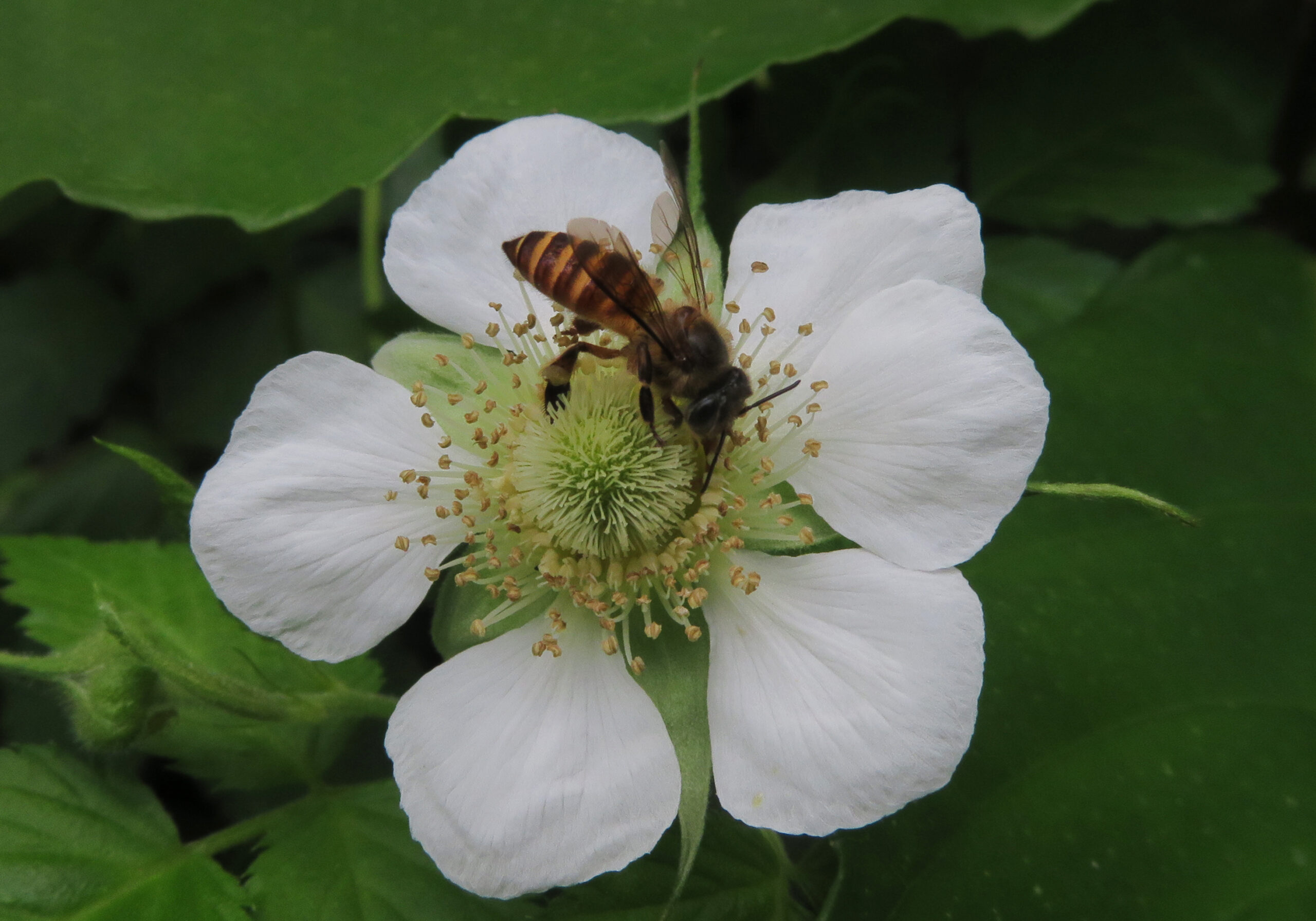
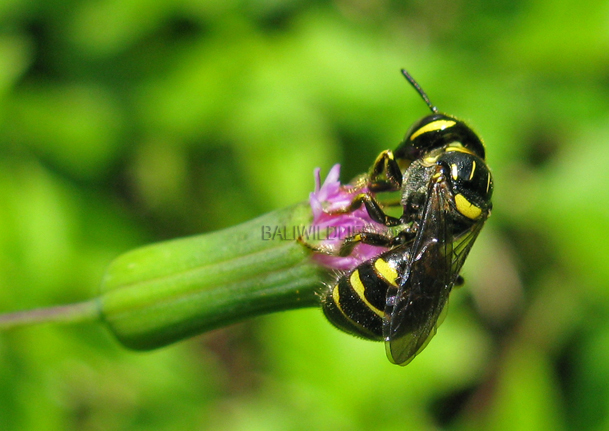
Bees in the family Apidae are generally medium to large in size and often have a robust, hairy body adapted for pollen collection. Many species possess specialized structures for carrying pollen, such as corbiculae (pollen baskets) on the hind legs, particularly in honeybees and bumblebees. The body is divided into head, thorax, and abdomen, with well-developed compound eyes and antennae. Mouthparts are adapted for lapping nectar.
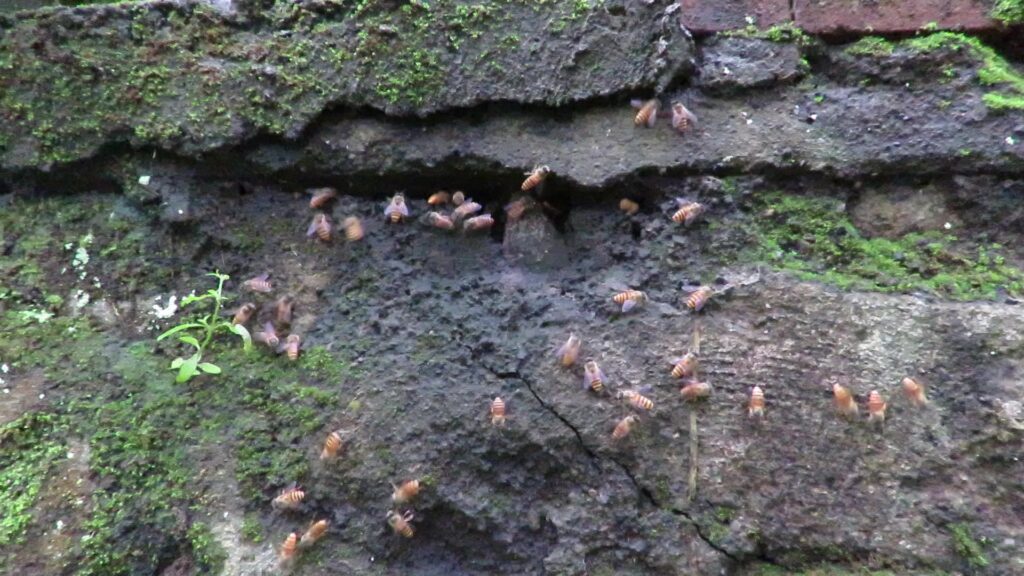
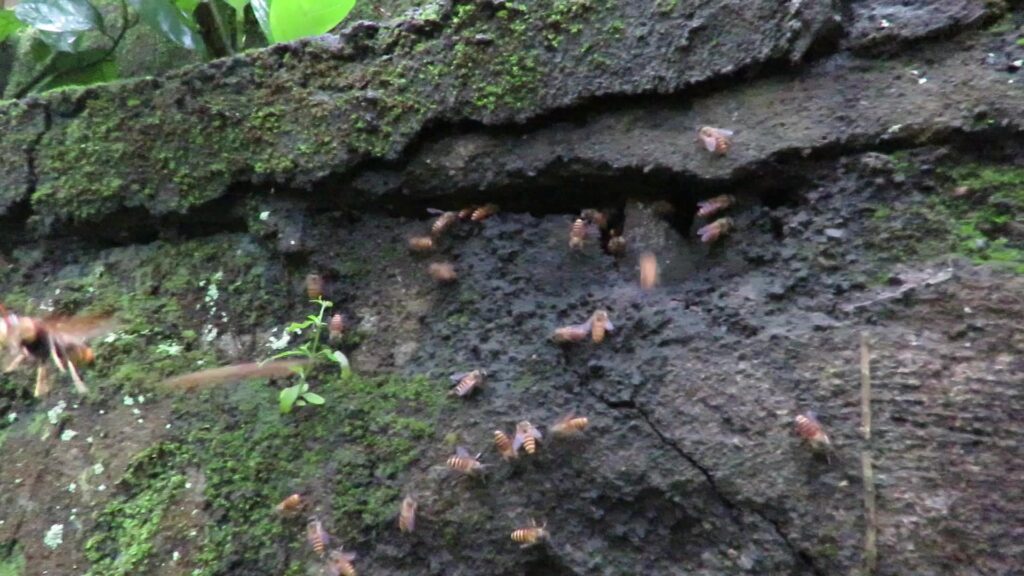
Apidae exhibits a wide range of social behaviors. Some species are highly social, such as honeybees (Apis) and bumblebees (Bombus), forming complex colonies with queens, workers, and drones. Others, such as carpenter bees (Xylocopa), are solitary or exhibit simple social structures. Stingless bees (tribe Meliponini) form advanced eusocial colonies in tropical regions.
The life cycle involves complete metamorphosis. Females typically construct nests in a variety of substrates, including soil, wood, cavities, or plant material. Larvae are provisioned with pollen and nectar, which serve as their primary food source.
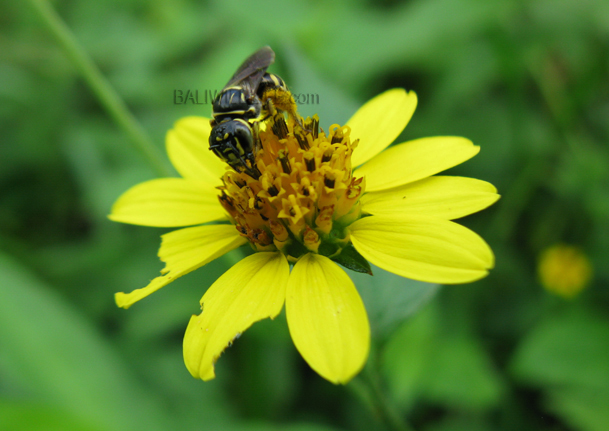
Feeding habits are closely tied to flowers. Adults feed on nectar for energy and collect pollen as a protein source for their offspring. Their foraging behavior makes them highly effective pollinators.
The family Apidae includes numerous genera, such as Apis (honeybees), Bombus (bumblebees), Xylocopa (carpenter bees), and others, reflecting a wide range of ecological adaptations and behaviors.
Ecologically, Apidae plays a crucial role in pollination, supporting the reproduction of a vast number of flowering plants, including many crops essential to human agriculture. They are among the most important pollinators globally and are vital for maintaining biodiversity, ecosystem stability, and food production.