Bali Wildlife
Every Spices Matter


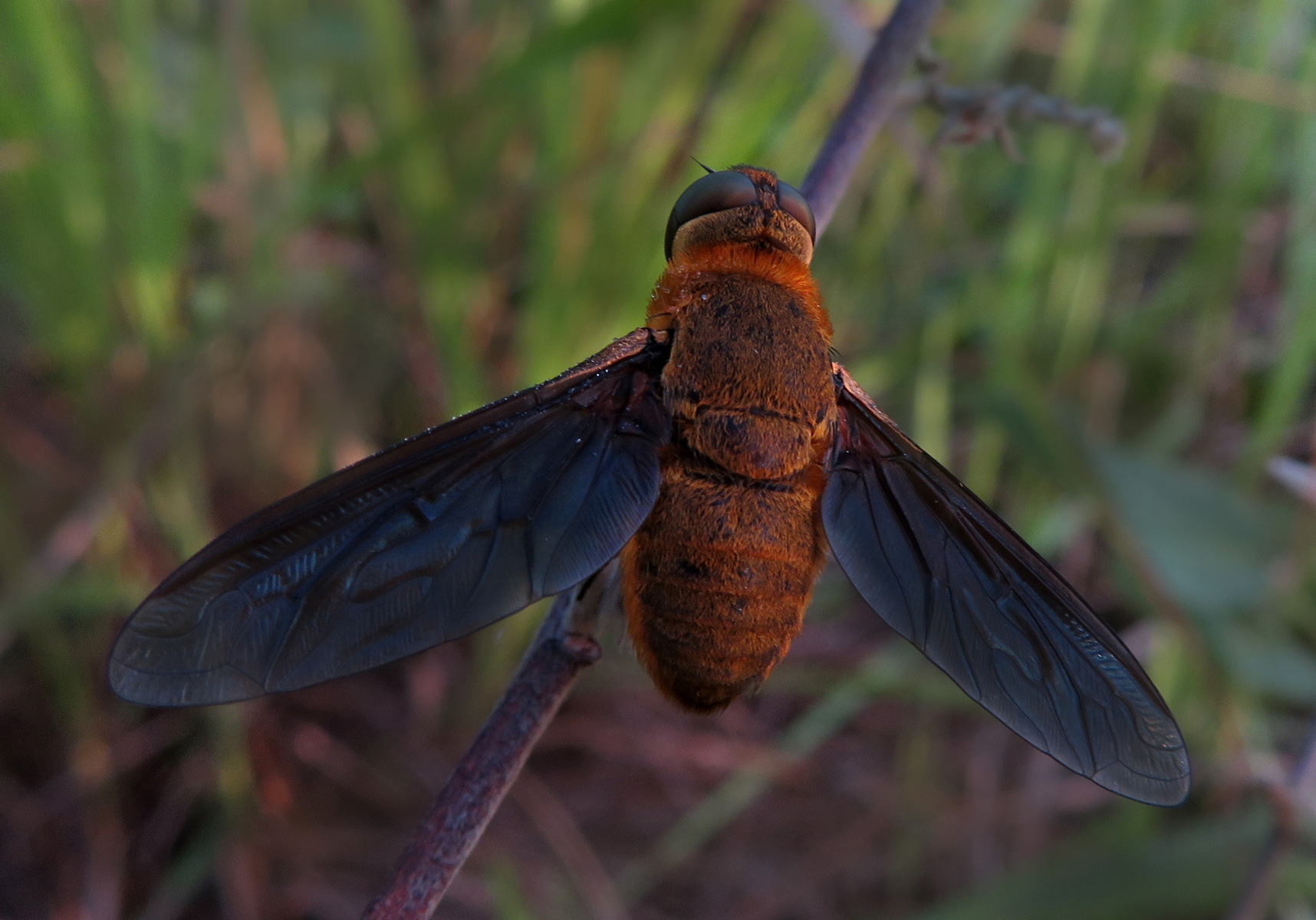
Anthracinae is a large and diverse subfamily within the family Bombyliidae (Order Diptera), comprising a group of bee flies that are widely distributed across the world. Members of this subfamily are especially abundant in warm, dry, and open habitats such as grasslands, deserts, savannas, and forest edges, though they also occur in more humid environments.
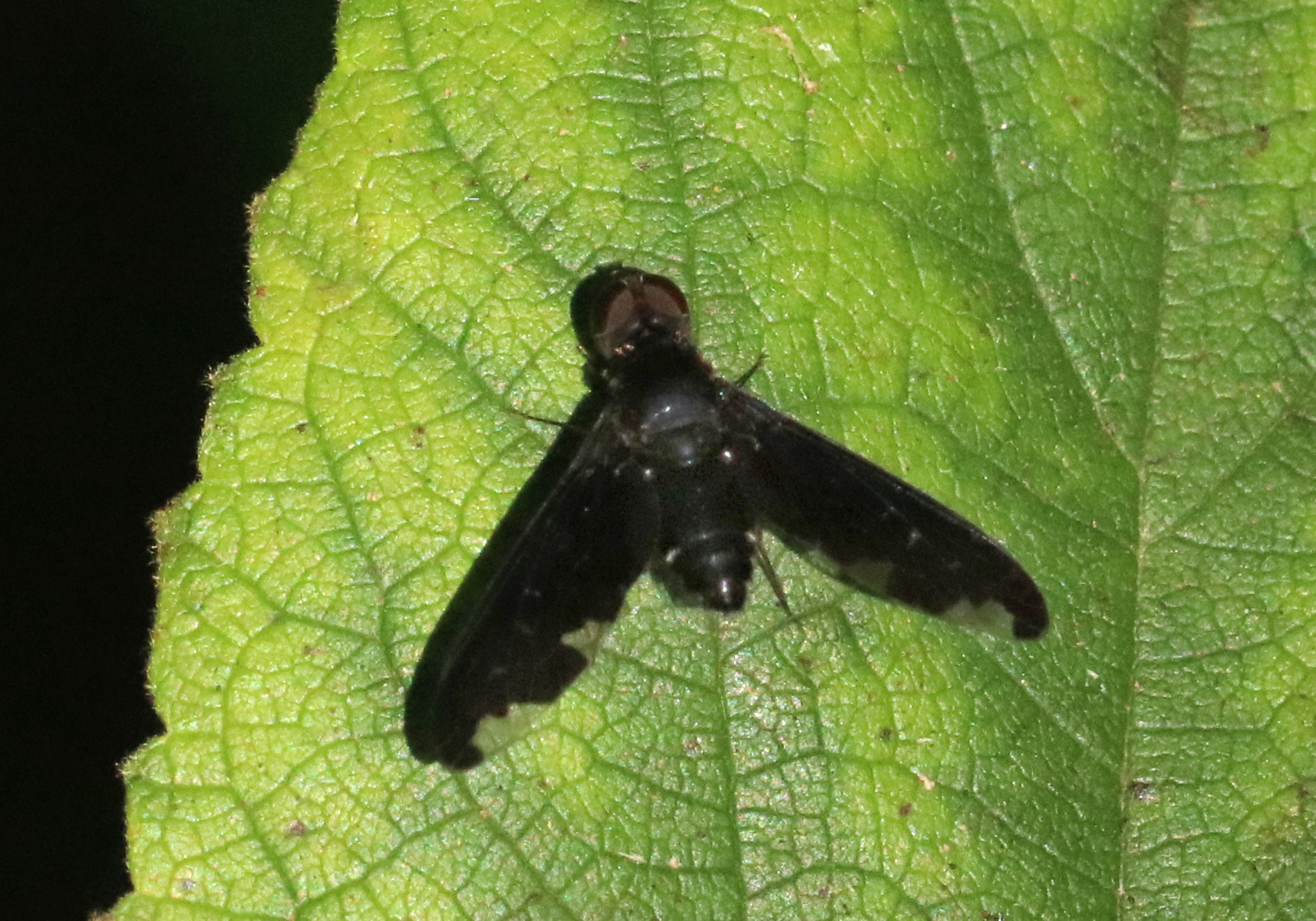
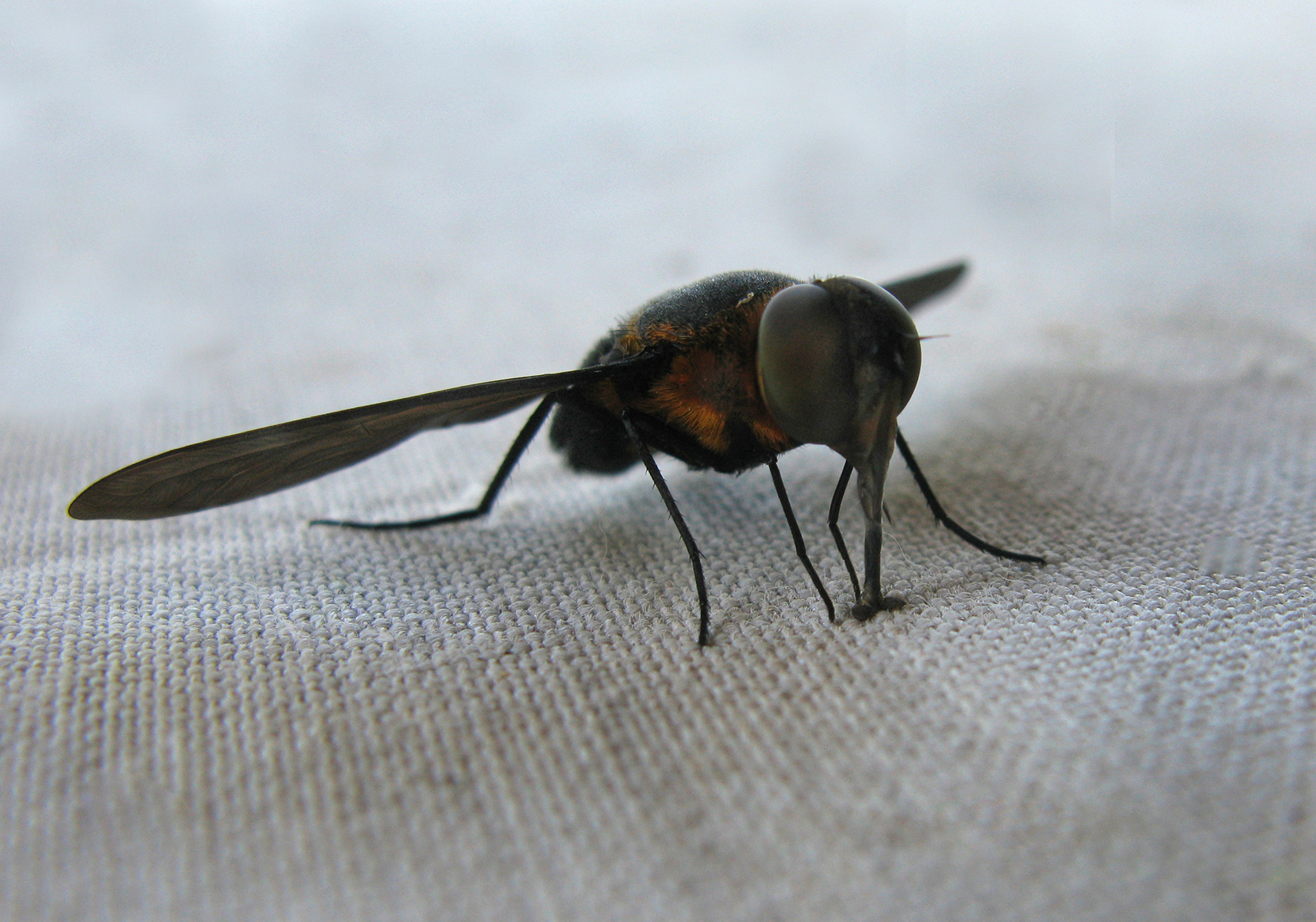
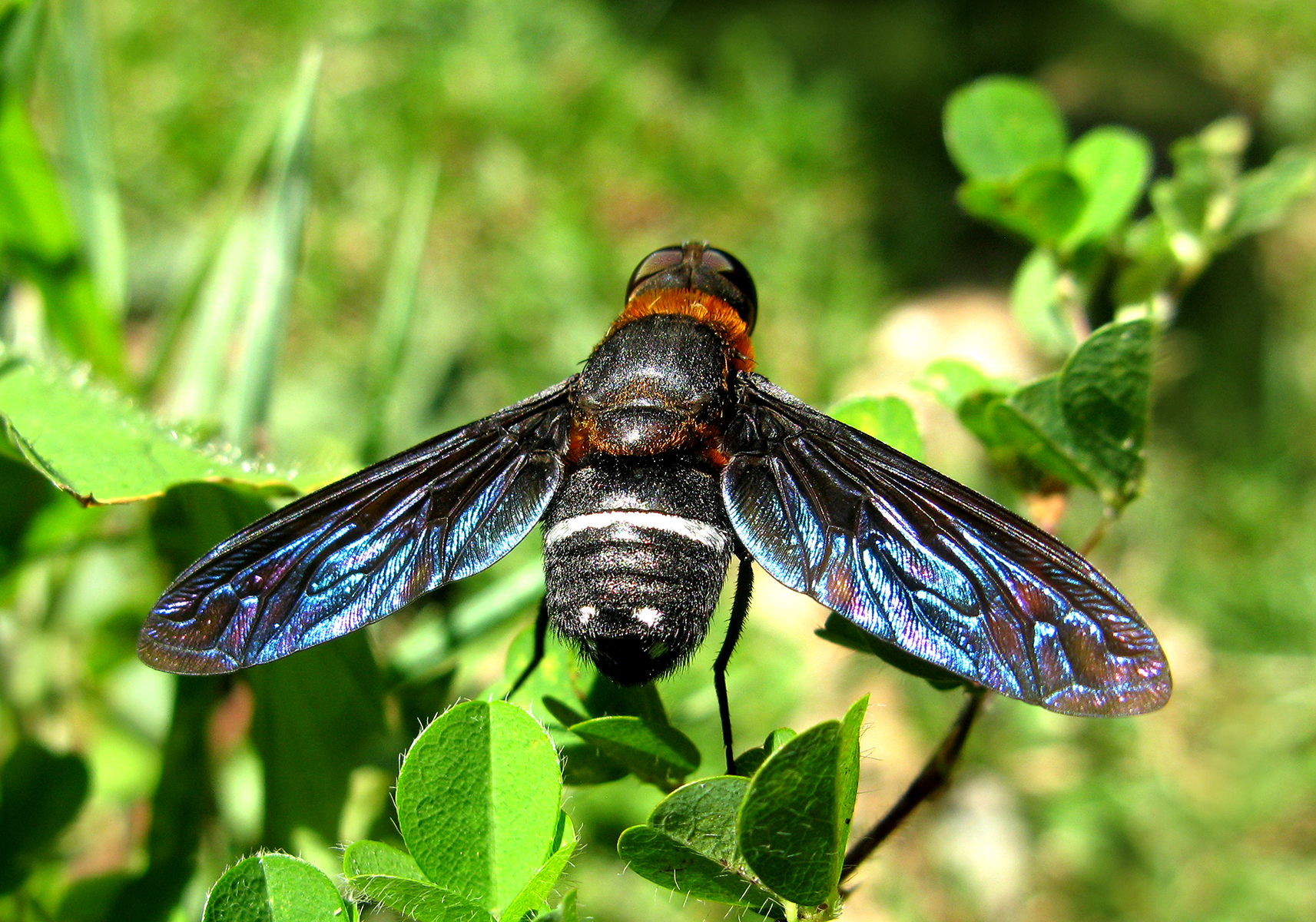
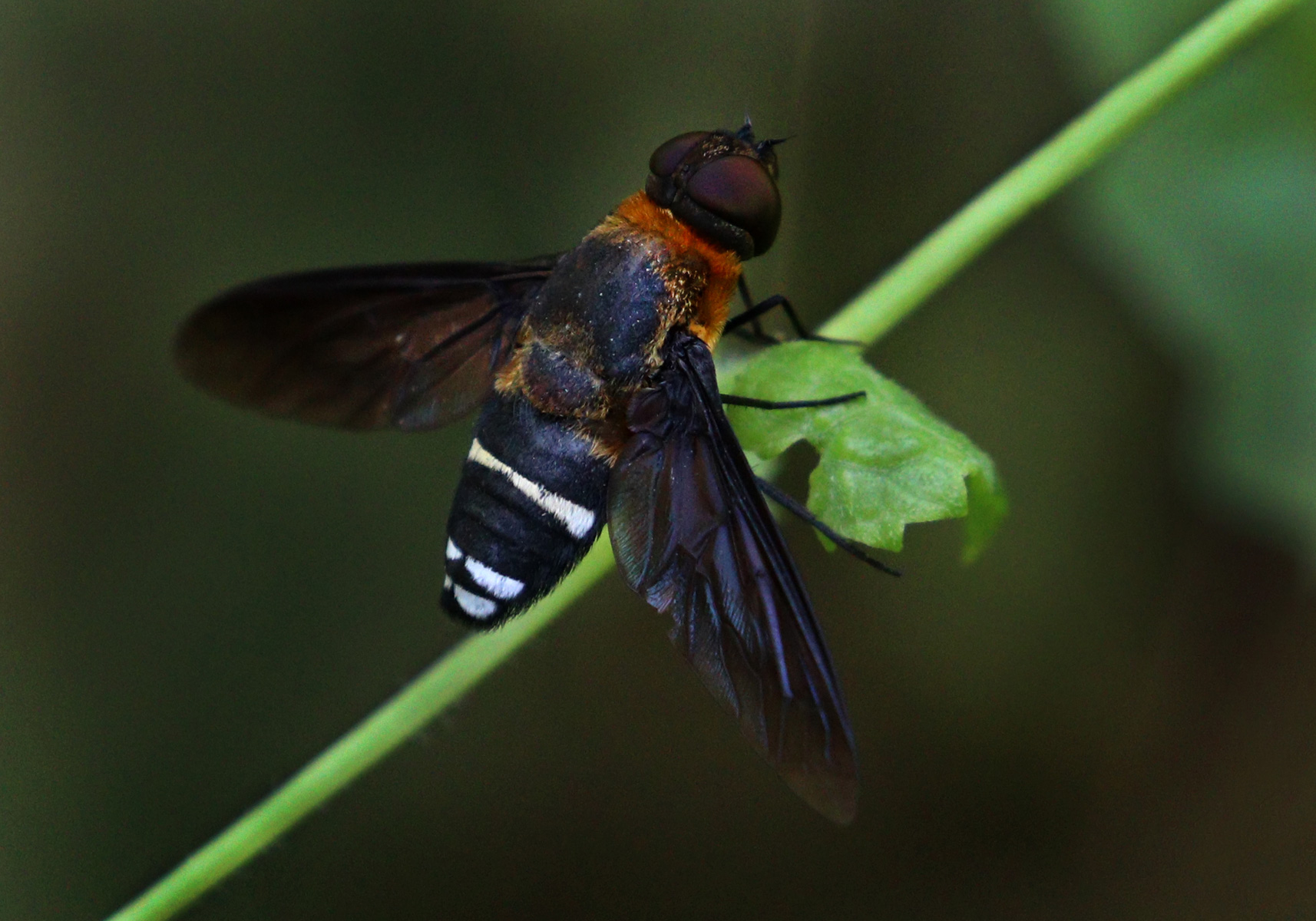
Anthracinae flies are generally small to medium-sized and often have a robust body. Many species are dark-colored, frequently black or brown, and may display distinctive wing patterns with spots, bands, or smoky patches. The body is often covered with fine hairs, contributing to a bee-like appearance in some species, although they are typically less brightly colored than other bee flies.
The head is large with well-developed compound eyes, and the antennae are short. Many species possess a moderately long proboscis, allowing them to feed on nectar. Adults are capable of hovering flight and are commonly observed visiting flowers, where they act as pollinators.
The life cycle involves complete metamorphosis. Larvae of Anthracinae are parasitoids, developing inside or on the immature stages of other insects, particularly solitary bees, wasps, beetles, and grasshoppers. Females often lay eggs near host habitats, and the larvae actively locate and parasitize their hosts.
The subfamily includes genera such as Anthrax, Exoprosopa, and related groups, which are often recognized by their patterned wings and distinctive flight behavior.
Ecologically, Anthracinae plays an important role in ecosystems. Adults contribute to pollination, especially in open and arid environments, while larvae help regulate populations of other insects through parasitism. Their dual ecological roles and adaptability make them a significant component of insect biodiversity.