Bali Wildlife
Every Spices Matter


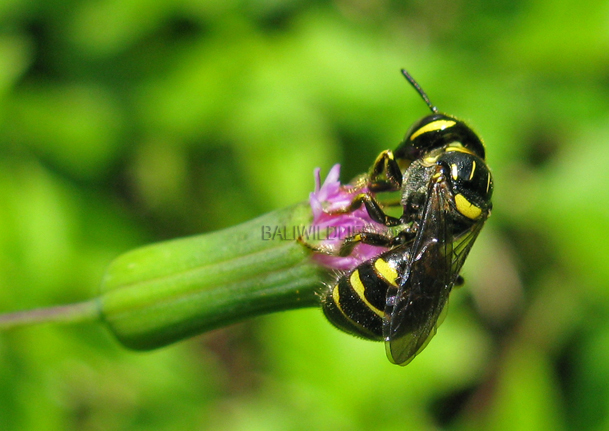
Anthophila is an epifamily within the superfamily Apoidea (Order Hymenoptera), comprising all true bees. This group represents one of the most important lineages of pollinating insects and is distributed worldwide, occurring in nearly all terrestrial habitats where flowering plants are present—from tropical forests and grasslands to deserts and urban gardens.
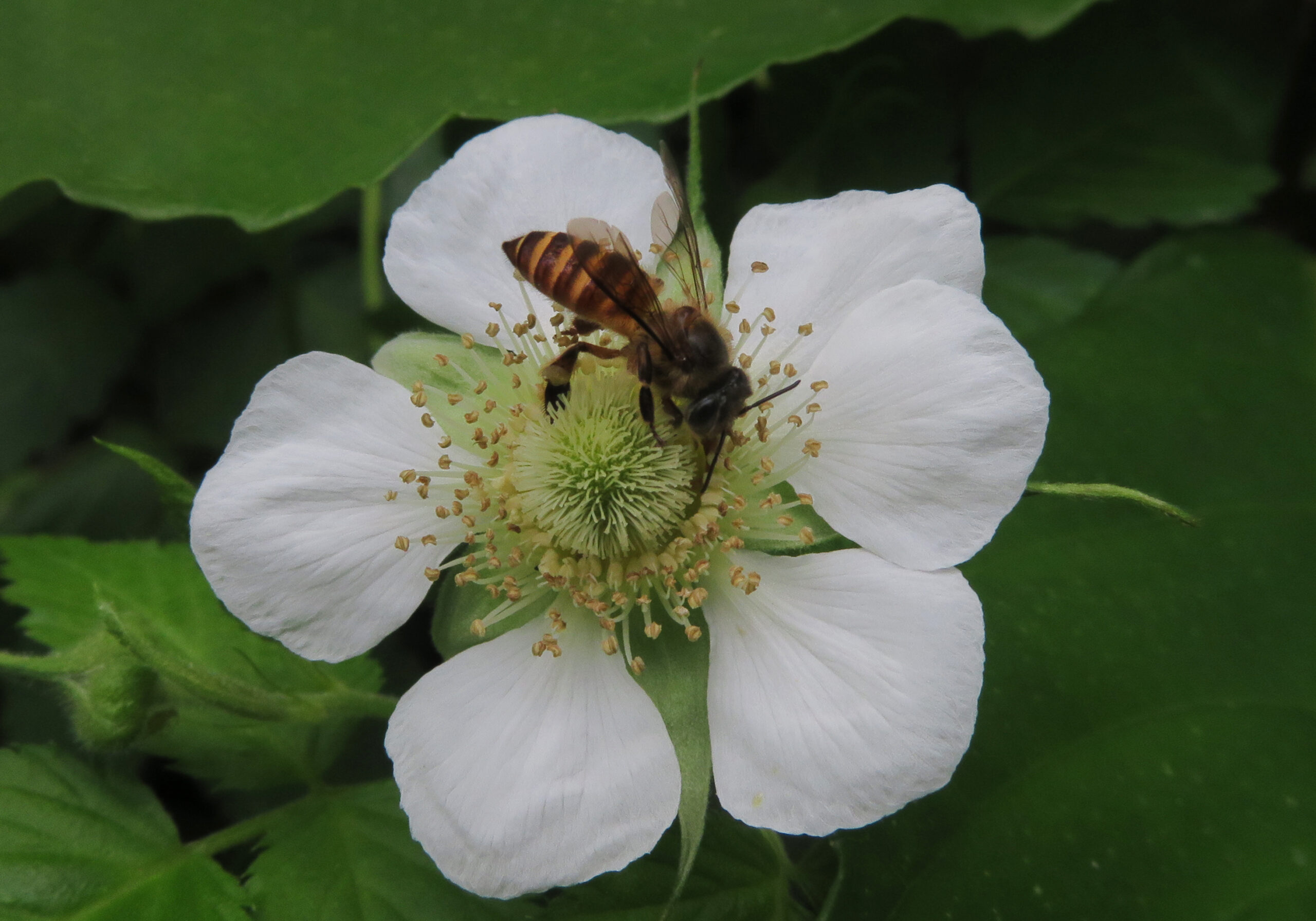
Members of Anthophila are distinguished by their close evolutionary relationship with flowering plants and their specialization for feeding on nectar and pollen. Most bees possess branched (plumose) body hairs that efficiently trap pollen, as well as specialized structures for pollen transport, such as scopae (pollen-carrying hairs) or corbiculae (pollen baskets) on the legs in some groups.
Bees generally have a robust body divided into head, thorax, and abdomen, with a narrow waist typical of hymenopterans. The head bears well-developed compound eyes and antennae, while the mouthparts are adapted for lapping or sucking nectar. Two pairs of membranous wings are present, with the hind wings linked to the forewings during flight.
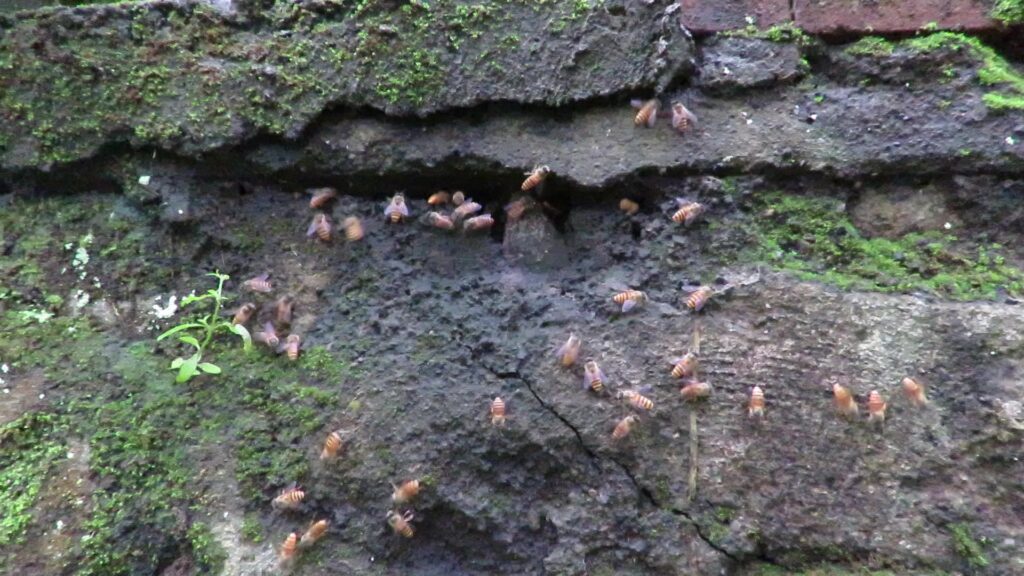
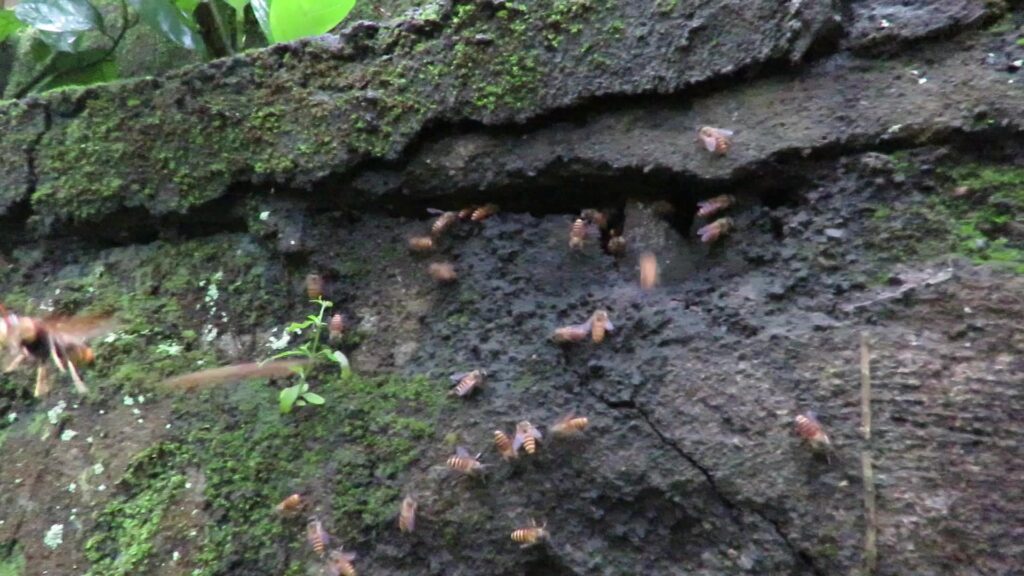
The life cycle involves complete metamorphosis. Bees exhibit a wide range of nesting behaviors. Many species are solitary, constructing nests in soil, wood, or plant stems, while others are social, forming colonies with division of labor, such as queens, workers, and males. Examples of social bees include honeybees and bumblebees.
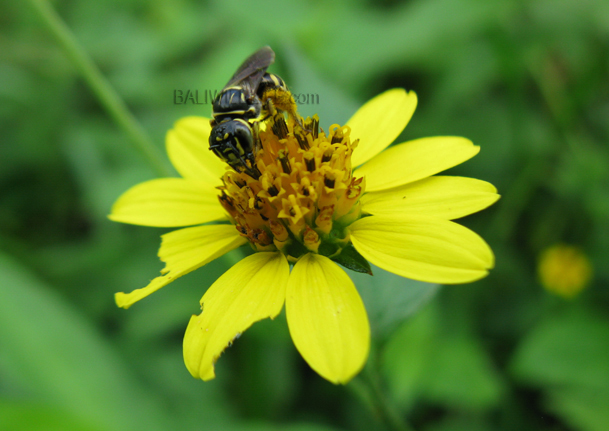
Larvae are typically provisioned with pollen and nectar collected by adults. This reliance on floral resources makes bees essential pollinators. Adults visit flowers to feed, inadvertently transferring pollen between plants and facilitating fertilization.
Anthophila includes numerous families, such as Apidae (honeybees and bumblebees), Megachilidae (leafcutter and mason bees), Halictidae (sweat bees), and Andrenidae (mining bees), among others.
Ecologically, Anthophila plays a critical role in pollination, supporting the reproduction of a vast number of wild plants and crops. Bees are among the most important pollinators in both natural ecosystems and agriculture, making them vital for biodiversity, ecosystem stability, and global food production.