

Segmented Worms (Phylum Annelida)
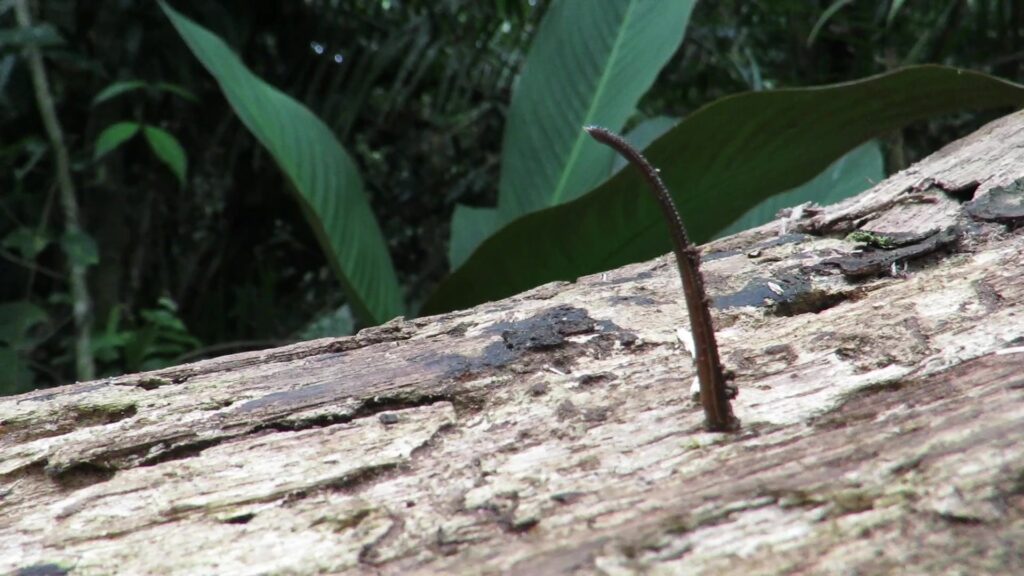
Annelida is a phylum of invertebrate animals commonly known as segmented worms. It includes earthworms, leeches, ragworms, lugworms, and numerous other worm-like animals that inhabit marine, freshwater, and terrestrial environments. Annelids are distinguished by their elongated, soft bodies, bilateral symmetry, and characteristic segmentation, in which the body is divided into a series of repeated sections. They are ecologically important because they contribute to soil formation, nutrient cycling, decomposition, and aquatic food webs.
Members of Annelida display considerable diversity in body size, shape, and lifestyle. Some species are only a few millimeters long, while others can reach impressive lengths. Their bodies are generally elongated and flexible, allowing them to burrow through soil, crawl across surfaces, or move through water. In many species, the repeated body segments contain similar arrangements of muscles, nerves, and internal structures, providing flexibility and coordinated movement. The outer body surface is usually moist, helping facilitate gas exchange in species that rely partly or entirely on respiration through the skin.
A defining characteristic of annelids is metameric segmentation, the division of the body into repeated units. Internal partitions called septa separate the segments in many species, although the degree of segmentation varies among groups. Most annelids possess a fluid-filled body cavity known as a coelom, which functions as a hydrostatic skeleton and supports movement. By contracting their circular and longitudinal muscles against this fluid, many species can extend, shorten, and move their bodies efficiently through their environments.
Annelids generally possess a complete digestive system with separate mouth and anus openings. Their digestive structures vary according to their diets. Earthworms consume soil and decaying organic matter, extracting nutrients while helping mix and aerate the soil. Many marine polychaetes feed on algae, detritus, small invertebrates, or suspended particles, while predatory species capture other animals. Leeches exhibit diverse feeding habits, including predation on small invertebrates and blood-feeding in certain groups.
The circulatory system in many annelids is closed, meaning that blood or circulatory fluid travels through vessels rather than freely bathing all internal organs. Blood may contain respiratory pigments that assist in transporting oxygen. The nervous system typically includes a cerebral ganglion, often described as a simple brain, and a ventral nerve cord with segmental ganglia. Sensory structures vary among species and may include receptors for touch, light, chemicals, and changes in water movement. These systems enable annelids to respond to their surroundings and coordinate feeding, movement, and reproduction.
Annelids occupy a wide range of habitats. Terrestrial species, particularly earthworms, are commonly found in moist soils rich in organic material. Freshwater annelids inhabit streams, ponds, lakes, and wetlands, while marine species occur from intertidal zones to deep-sea environments. Some live in burrows or tubes, others crawl across sediment or rocky surfaces, and some swim freely through the water. Certain species tolerate extreme conditions, including low oxygen levels or environments with high organic content.
Reproduction varies considerably across the phylum. Many annelids reproduce sexually, with species either possessing separate sexes or being hermaphroditic. Earthworms and many leeches are hermaphrodites, meaning each individual possesses both male and female reproductive organs, although mating between individuals is common. Numerous marine annelids release eggs and sperm into the water, where fertilization occurs externally. Some species produce free-swimming larvae, while others develop directly into juvenile worms. Asexual reproduction and regeneration also occur in certain groups.
The phylum is traditionally divided into several major groups, including Polychaeta, Oligochaeta, and Hirudinea. Polychaetes are primarily marine annelids, many of which possess numerous bristles called chaetae on paired appendages known as parapodia. Oligochaetes, including earthworms, generally have fewer bristles and lack prominent parapodia. Hirudineans, which include leeches, typically possess flattened bodies and suckers that assist with attachment and movement. Modern classifications have revised these traditional groupings as evolutionary relationships have become better understood.
Annelids play significant roles in ecosystem functioning. Earthworms improve soil structure by creating burrows, mixing organic matter, and facilitating water movement. Marine annelids help recycle nutrients in sediments and provide food for fish, crustaceans, seabirds, and other animals. Some annelids are important predators, while others contribute to the decomposition of organic material. Certain leeches are used in medical applications because their saliva contains compounds that affect blood clotting, although their use is limited to specific clinical circumstances.
Despite their ecological importance, some annelid species are affected by habitat degradation, pollution, soil compaction, changes in water quality, and the introduction of non-native species. Marine annelids may be impacted by coastal development and disturbance of seabed habitats, while terrestrial species can be affected by intensive agriculture and excessive chemical use. Protecting soil quality, wetlands, freshwater systems, and marine habitats helps preserve annelid diversity and the ecological processes they support.
Overall, Annelida is a diverse phylum of segmented worms characterized by flexible bodies, bilateral symmetry, and specialized adaptations for terrestrial, freshwater, and marine life. From earthworms that maintain healthy soils to marine worms that sustain aquatic food webs, annelids perform important ecological functions. Their varied anatomy, feeding strategies, and reproductive systems make them an important group for understanding invertebrate diversity, animal evolution, and ecosystem dynamics.