Bali Wildlife
Every Spices Matter


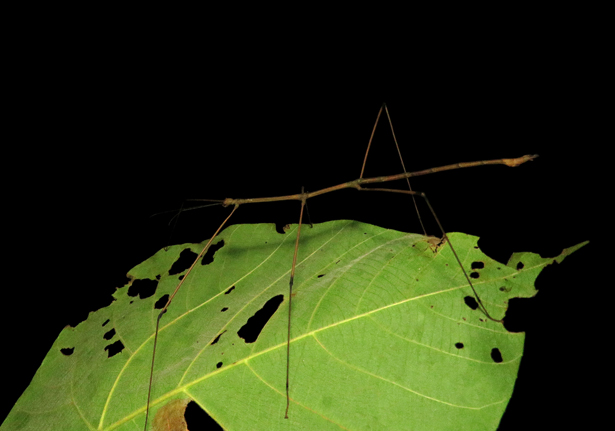
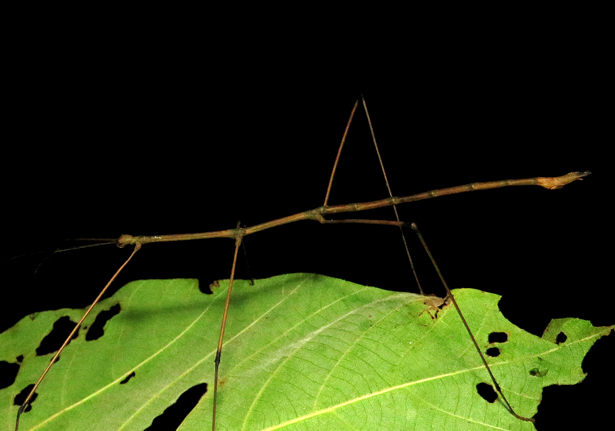
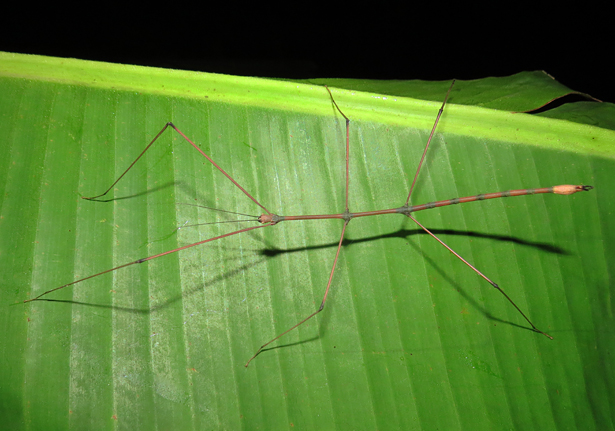
Anareolatae is a major infraorder within the suborder Verophasmatodea (Order Phasmida), comprising a large and diverse group of modern stick insects. Members of this infraorder are distributed worldwide, with greatest diversity in tropical and subtropical regions, particularly in forested habitats of Southeast Asia, Australasia, and the Neotropics.
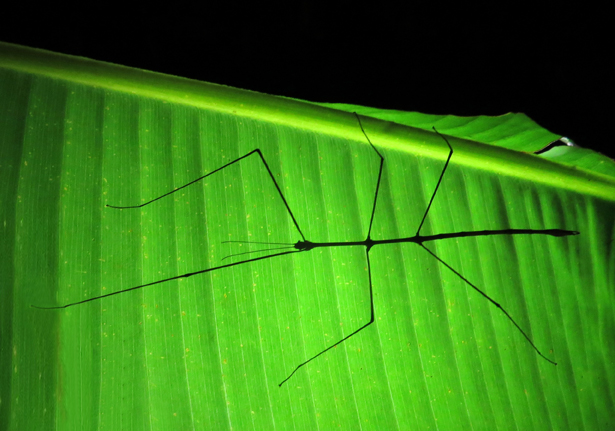
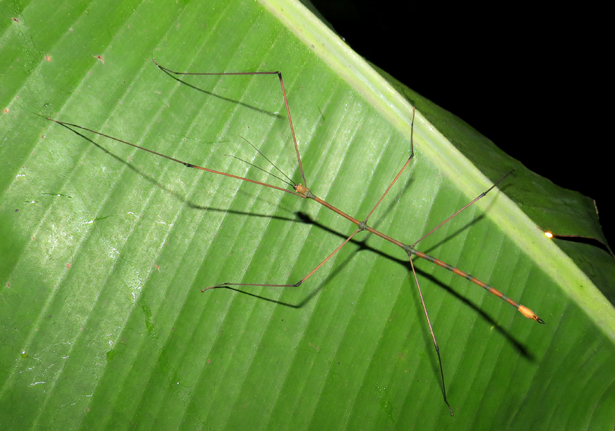
The infraorder is characterized by the absence of an area apicalis (a distinct sensory field) on the tibiae, a key morphological feature that distinguishes Anareolatae from the infraorder Areolatae. Body forms within Anareolatae are predominantly stick-like, ranging from very slender and elongated to more robust forms, while true leaf mimicry is generally absent. Coloration is typically cryptic, dominated by browns, greens, and grays that resemble twigs, branches, or bark.
Wings are variably developed among Anareolatae. Many species are wingless, while others possess reduced or fully developed wings. When present, wings are often used for short-distance flight or defensive displays rather than sustained flight. Sexual dimorphism is common, with females usually larger and heavier-bodied than males.
Like other phasmids, Anareolatae exhibit hemimetabolous development. Eggs are often dropped to the ground and may resemble plant seeds in shape and texture, aiding in camouflage and protection from predators. Nymphs resemble adults in general form and gradually acquire adult characteristics through successive molts.
Ecologically, Anareolatae are strictly herbivorous, feeding on leaves of shrubs and trees. They play an important role in forest ecosystems as primary consumers and as prey for a variety of vertebrate and invertebrate predators. The infraorder includes several well-known families, such as Phasmatidae and Diapheromeridae, and represents a major evolutionary lineage within the stick insects, notable for its diversity, wide distribution, and successful adaptation to cryptic, arboreal lifestyles.