Bali Wildlife
Every Spices Matter


Adephaga is a major suborder of beetles within the order Coleoptera, comprising a diverse group of predominantly predatory species. Members of Adephaga are distributed worldwide and occupy a wide range of habitats, including terrestrial, freshwater, and semi-aquatic environments. This suborder includes some of the most ecologically important beetle lineages as active predators in both land and aquatic ecosystems.
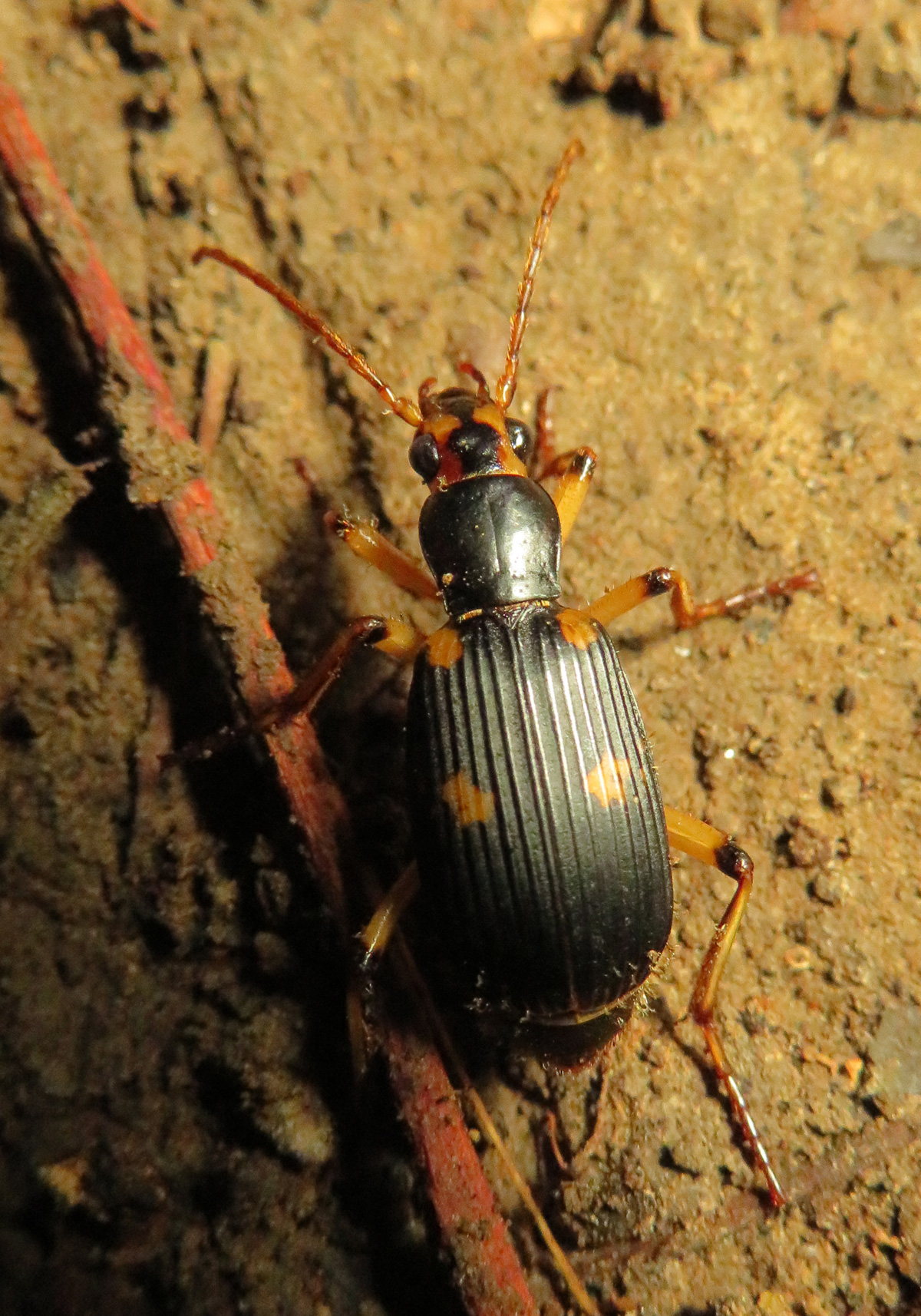
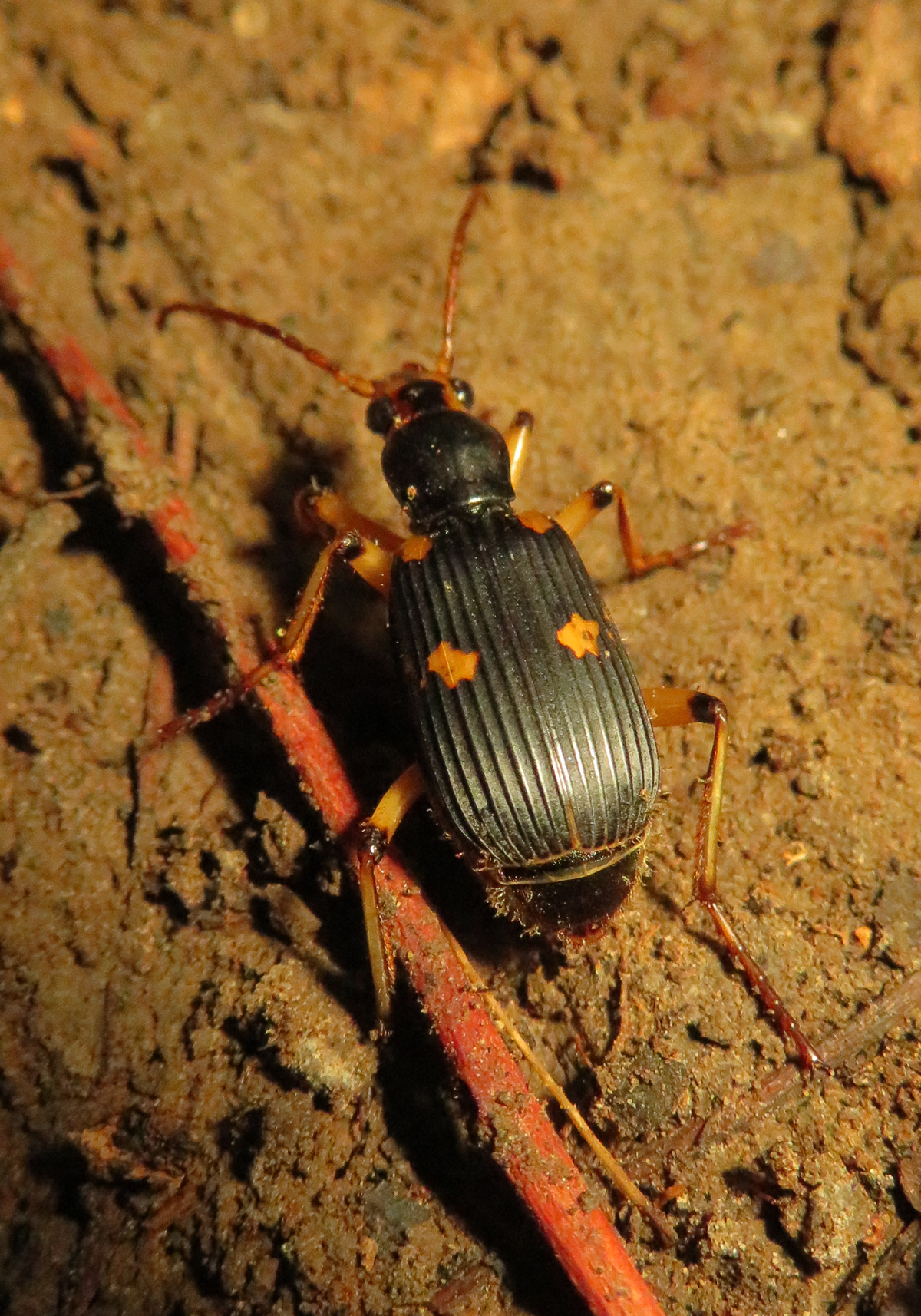
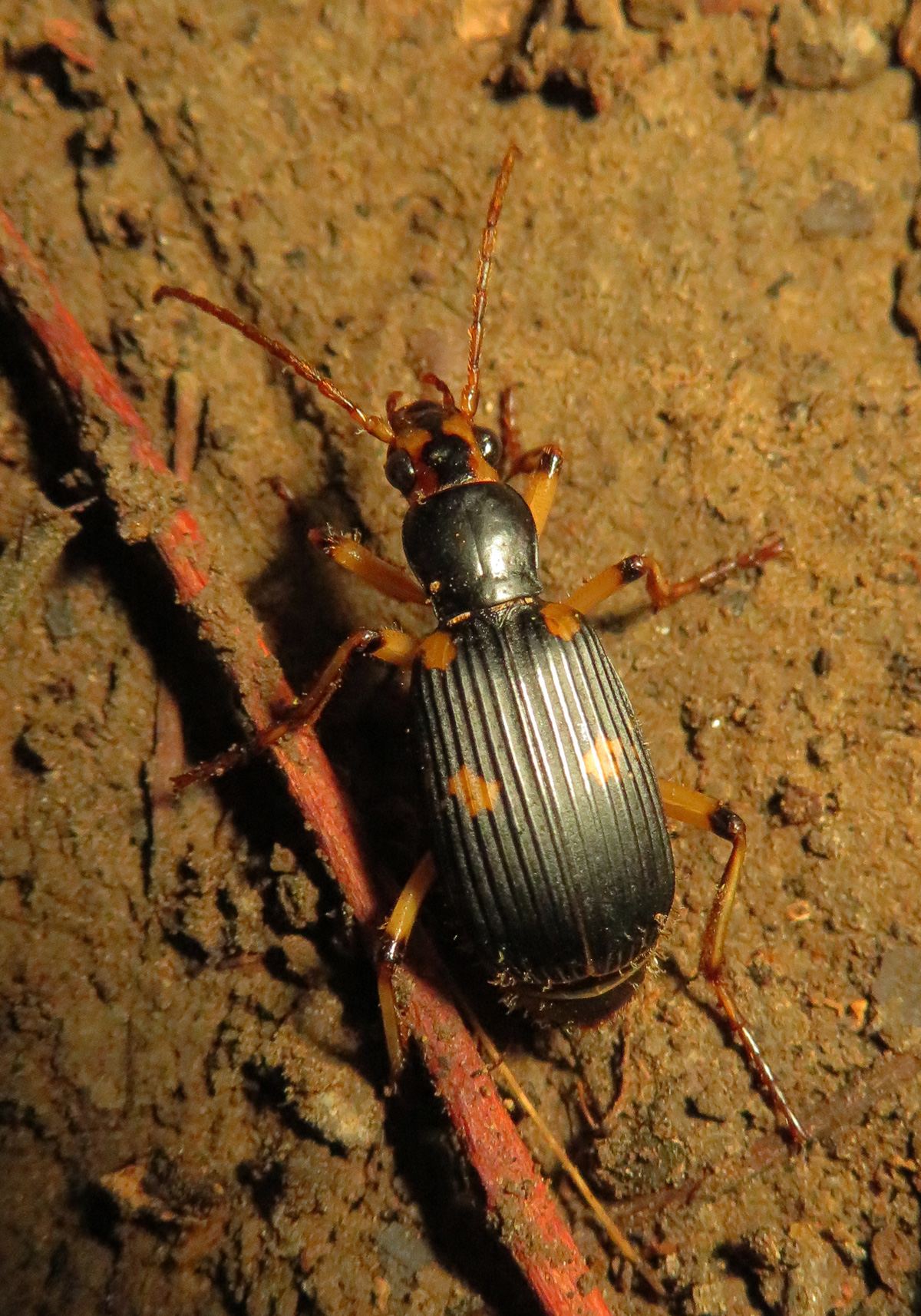
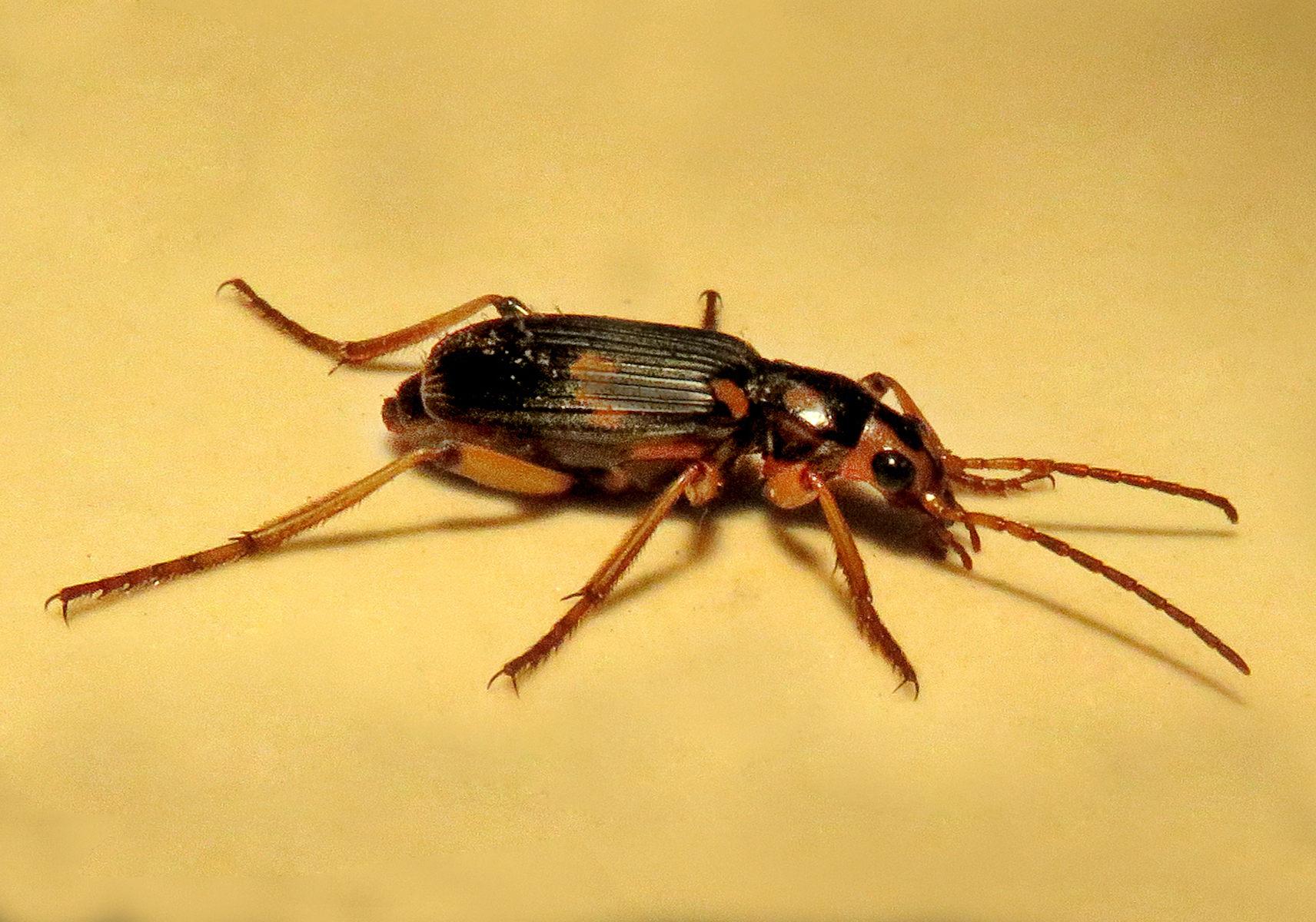
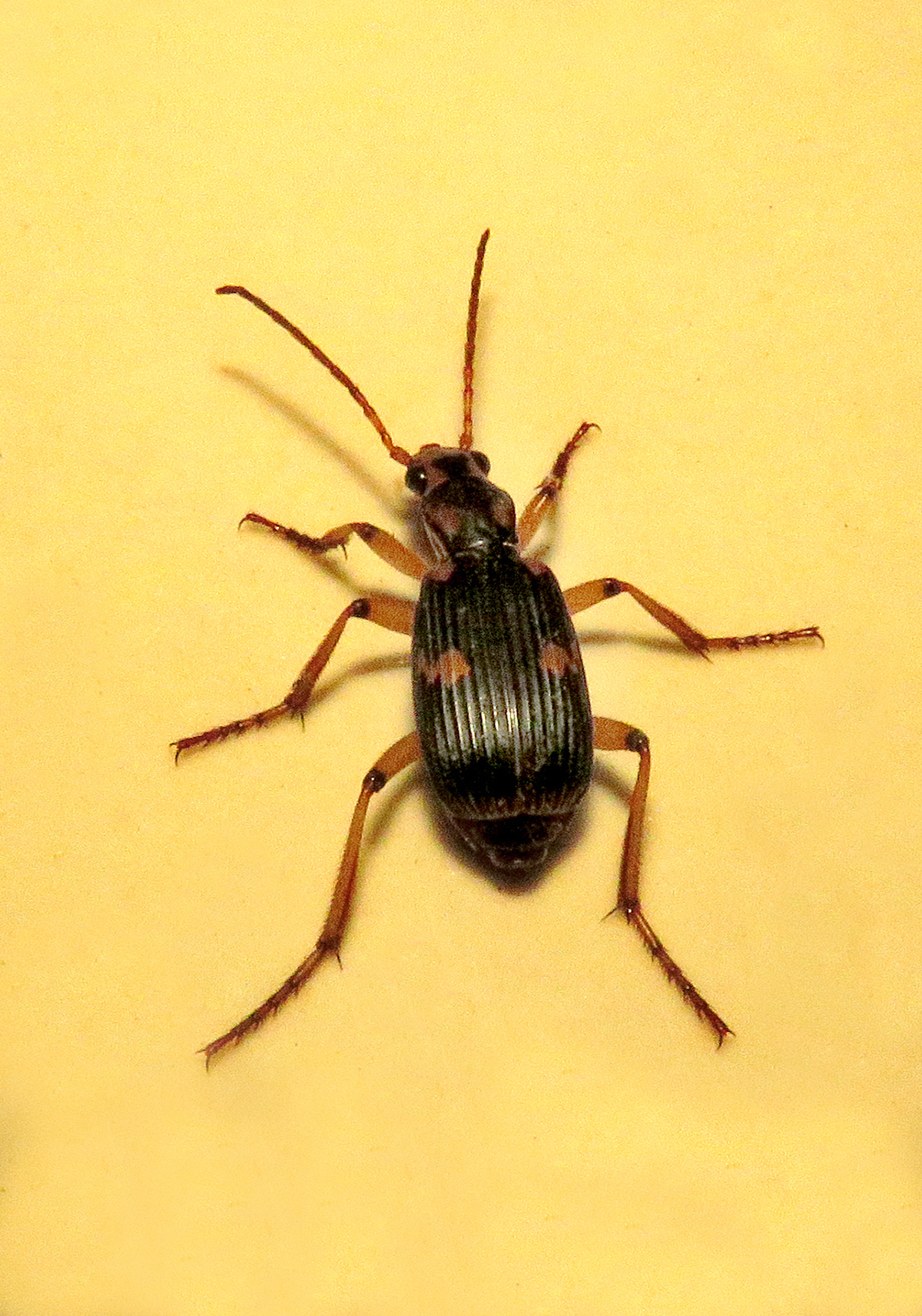
Adephagan beetles are generally characterized by a well-developed head with prominent mandibles adapted for predation, filiform antennae, and long legs suited for running or swimming. A key morphological feature distinguishing Adephaga from other beetles is the division of the first abdominal sternite by the hind coxae. The prothorax is typically narrow, allowing for greater mobility of the head.
Most Adephaga are carnivorous in both larval and adult stages, feeding on a wide variety of invertebrates and occasionally small vertebrates. Terrestrial species are often fast-running hunters, while aquatic forms are adapted for swimming and diving, with streamlined bodies and modified legs bearing swimming hairs. Larvae are typically elongate, well sclerotized, and equipped with strong mandibles.
The suborder Adephaga includes several important families, notably Carabidae (ground beetles), Dytiscidae (predaceous diving beetles), Gyrinidae (whirligig beetles), and Haliplidae (crawling water beetles). These families represent a broad range of ecological strategies and habitat specializations.
Ecologically, Adephaga plays a vital role in regulating populations of other invertebrates and maintaining ecological balance. Many species are beneficial as natural predators of agricultural pests, while aquatic adephagans contribute to freshwater food webs as top or intermediate predators. The combination of morphological specialization, predatory behavior, and habitat diversity makes Adephaga one of the most significant suborders of beetles.