Bali Wildlife
Every Spices Matter


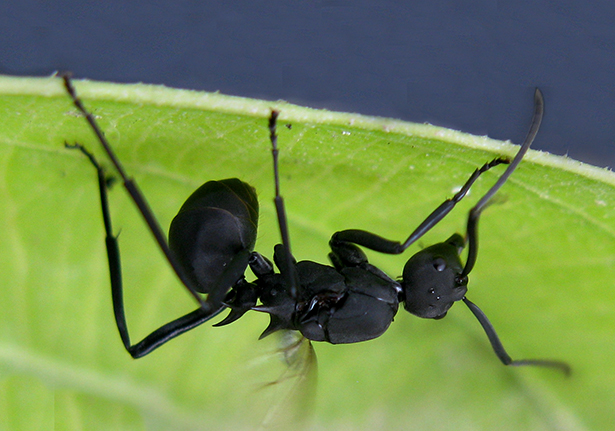
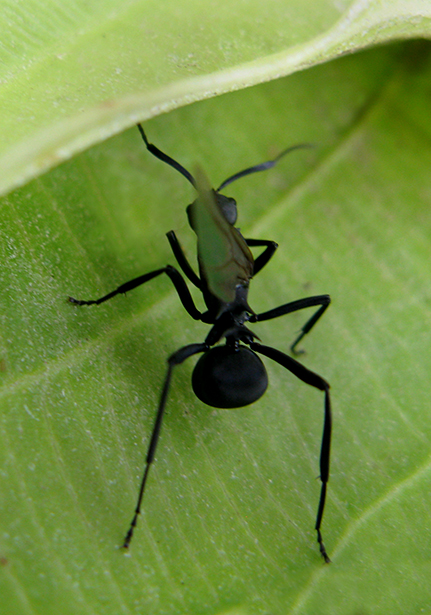
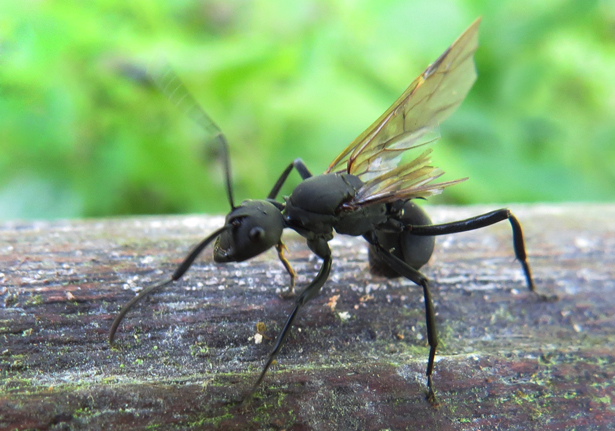
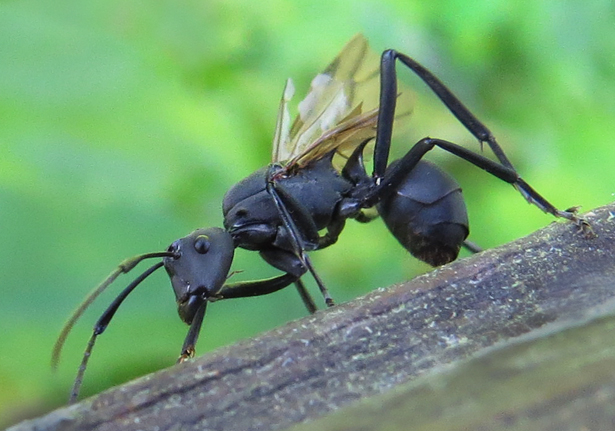
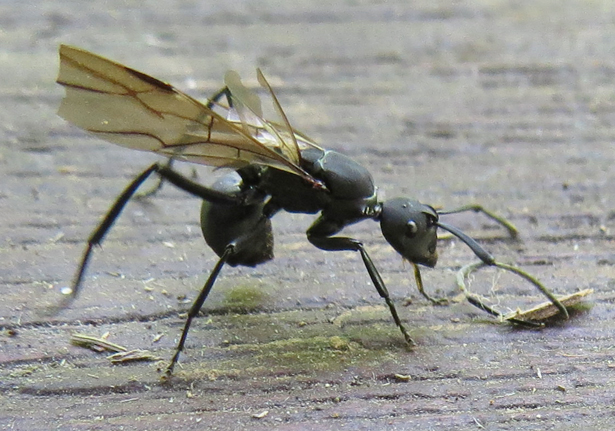
Aculeata is an infraorder within the suborder Apocrita (Order Hymenoptera) that includes some of the most familiar and ecologically important insects, such as ants, bees, and stinging wasps. This group represents a highly derived lineage of hymenopterans with a worldwide distribution across nearly all terrestrial ecosystems.
Members of Aculeata are defined by a key evolutionary innovation: the ovipositor is modified into a functional stinger. Rather than being used for egg-laying, the stinger is primarily employed for defense or prey immobilization and is typically associated with venom glands. In many species, the stinger can be repeatedly used, while in some bees it is barbed and used only once.
Morphologically, aculeates usually possess a distinct petiole (“waist”) between the thorax and abdomen, allowing exceptional flexibility and precise control of the stinger. Most species have two pairs of membranous wings connected by hamuli, though wing reduction or loss is common in certain castes, especially worker ants.
Behaviorally, Aculeata display remarkable diversity. Many species are solitary predators or foragers, while others—particularly ants and many bees and wasps—are eusocial, forming complex colonies with caste differentiation, cooperative brood care, and advanced communication systems based largely on chemical signals.
Ecologically, aculeate hymenopterans play critical roles as pollinators, predators, scavengers, and ecosystem engineers. Bees are essential pollinators of flowering plants, wasps regulate insect populations through predation, and ants influence soil structure, nutrient cycling, and seed dispersal.
Development is holometabolous, with distinct egg, larval, pupal, and adult stages. Reproduction typically follows haplodiploid sex determination, a system that has contributed to the evolution of complex social behavior in this group.
Infraorder Aculeata represents one of the most successful evolutionary radiations within Hymenoptera, distinguished by the evolution of the stinger, advanced behavioral strategies, and a profound impact on terrestrial ecosystems.