

Tribe Acridini
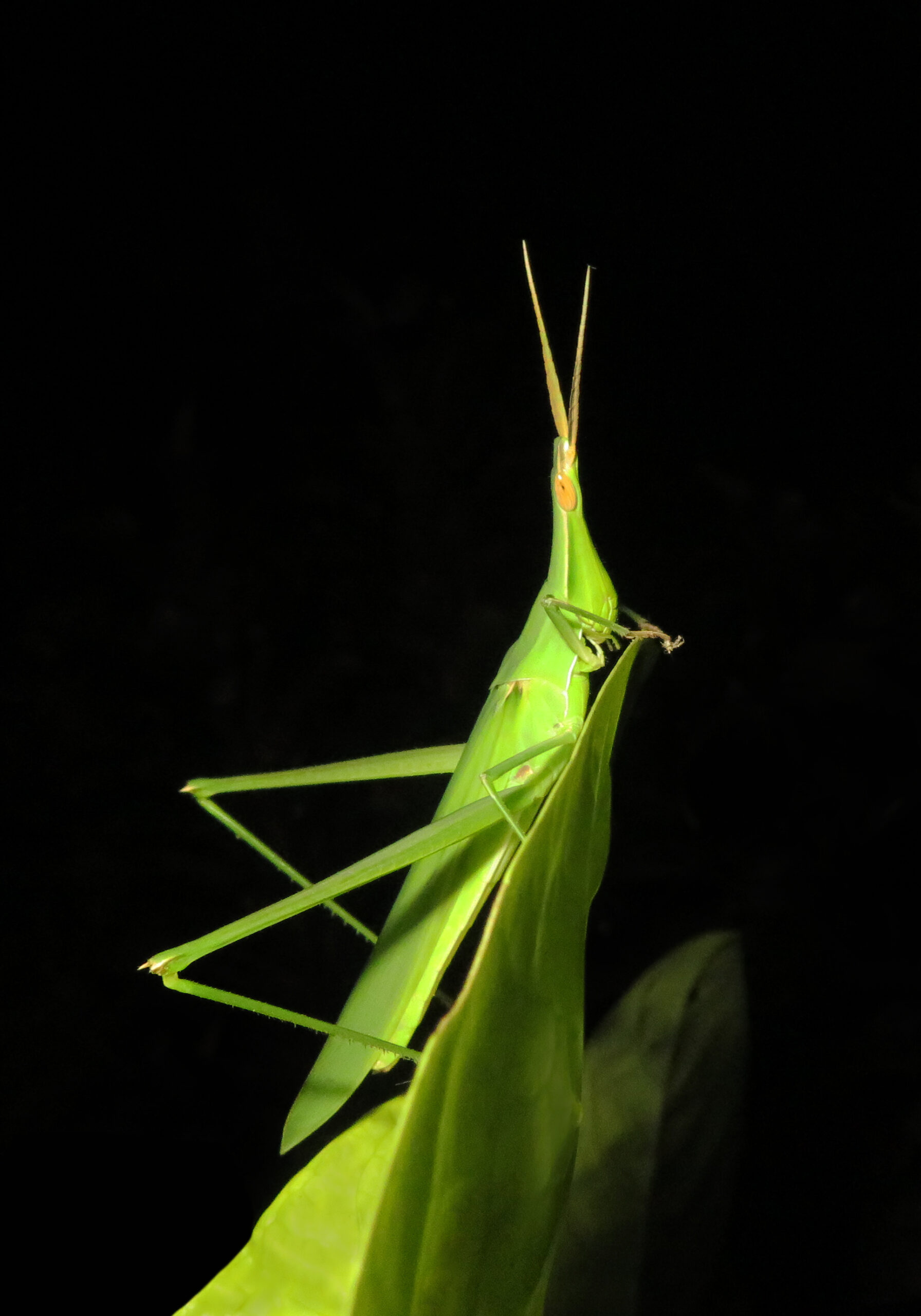
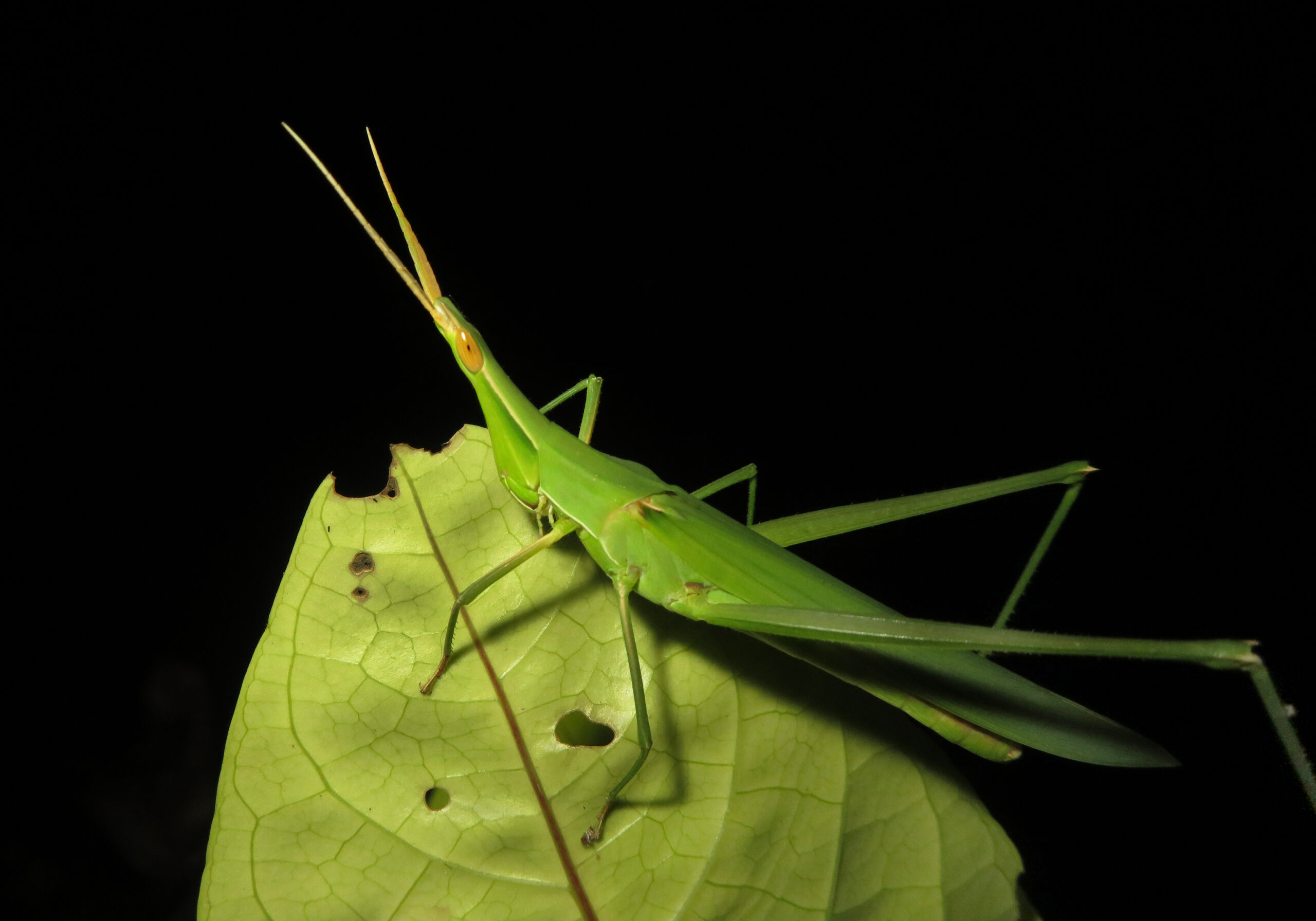
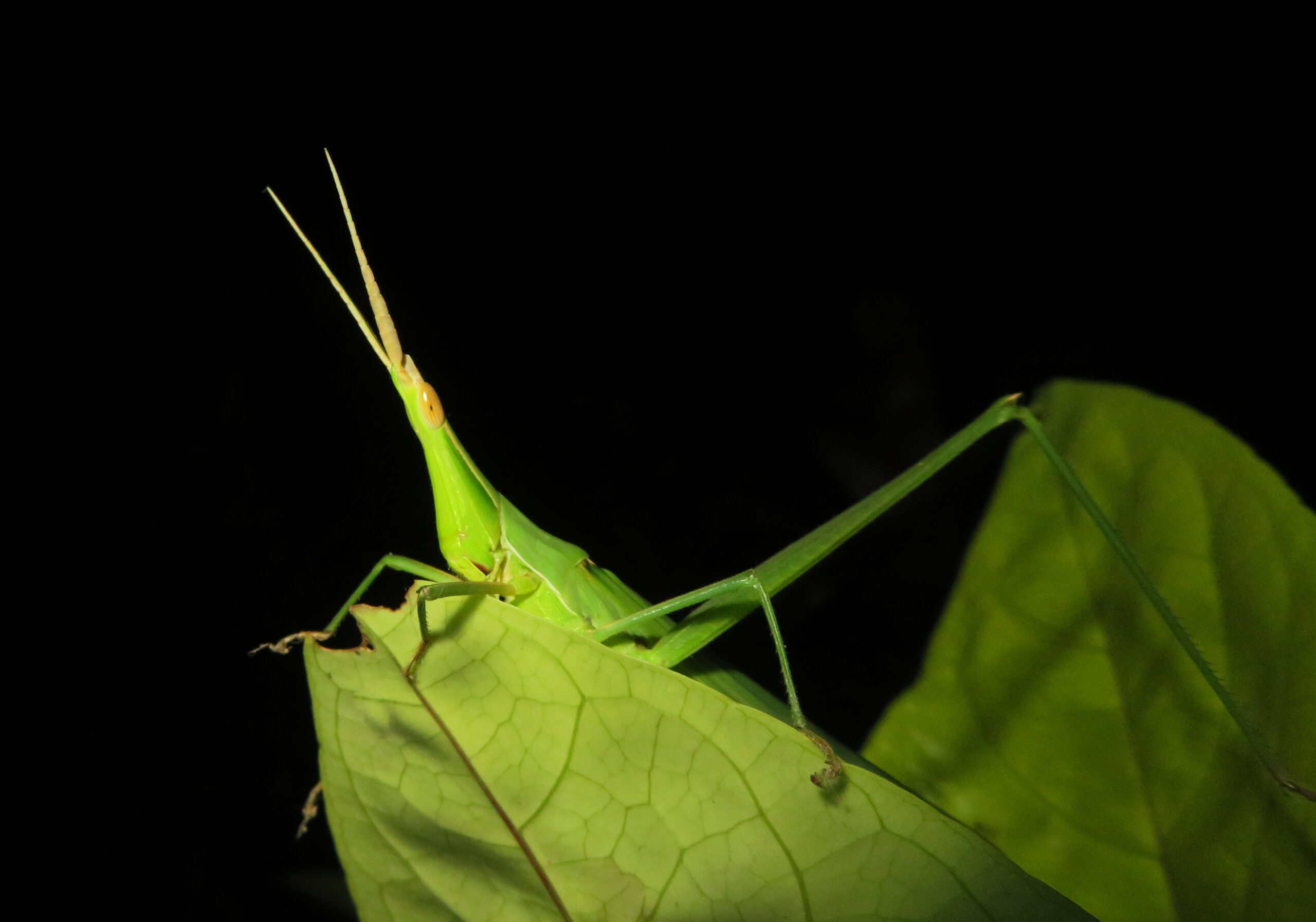
Acridini is a tribe of short-horned grasshoppers within the subfamily Acridinae (Family Acrididae, Order Orthoptera). The tribe comprises numerous genera and species distributed throughout Africa, Europe, Asia, and Australia, with the greatest diversity occurring in tropical and subtropical regions. Members inhabit grasslands, savannas, wetlands, agricultural fields, forest edges, shrublands, open woodlands, and other habitats dominated by grasses and herbaceous vegetation.
Grasshoppers of the tribe Acridini are generally medium to large-sized and are distinguished by their elongated, slant-faced head, a characteristic feature that separates them from many other acridid grasshoppers. Their bodies are slender and streamlined, with long, narrow forewings (tegmina) and transparent membranous hindwings adapted for strong flight. Coloration is predominantly green, straw-yellow, olive, or brown, often with longitudinal stripes or subtle mottling that provides excellent camouflage among grasses and reeds. Their long hind legs are well developed for powerful jumping and rapid escape from predators.
Adults are primarily diurnal, spending much of the day basking, feeding, and moving through tall grasses. When disturbed, they typically leap considerable distances before taking flight, often traveling several meters before settling back into vegetation. Males communicate during the breeding season through stridulation, produced by rubbing the hind legs against the forewings, and in some species also perform visual display flights to attract females and establish territories.
Members of Acridini are herbivorous, feeding mainly on grasses (Poaceae), sedges (Cyperaceae), reeds, and other monocotyledonous plants. Their strong chewing mouthparts enable them to consume leaves, stems, and young shoots. While most species are natural components of grassland ecosystems, a few can become locally abundant and occasionally damage cereal crops, pasture grasses, and rice fields.
The life cycle involves incomplete metamorphosis, consisting of egg, nymph, and adult stages. Females deposit egg pods in the soil using their ovipositor, where the eggs remain protected until favorable environmental conditions trigger hatching. Wingless nymphs resemble miniature adults and undergo several molts before developing functional wings and reaching maturity. Both nymphs and adults occupy similar habitats and feed on the same host plants.
The tribe includes several well-known genera, notably Acrida, Duroniella, and related taxa. Species of Acrida, commonly known as slant-faced grasshoppers or long-headed grasshoppers, are among the most widespread and recognizable members of the tribe due to their distinctive head shape and excellent grass mimicry.
Ecologically, Acridini grasshoppers are important primary consumers that contribute to the regulation of grassland vegetation and the transfer of plant biomass into terrestrial food webs. They serve as a major food source for birds, reptiles, amphibians, spiders, predatory insects, and small mammals. Their abundance and sensitivity to changes in vegetation structure, grazing intensity, and land-use practices make Acridini species valuable indicators of grassland ecosystem health, habitat quality, and biodiversity.