

Slantface Grasshoppers (Genus Acrida)
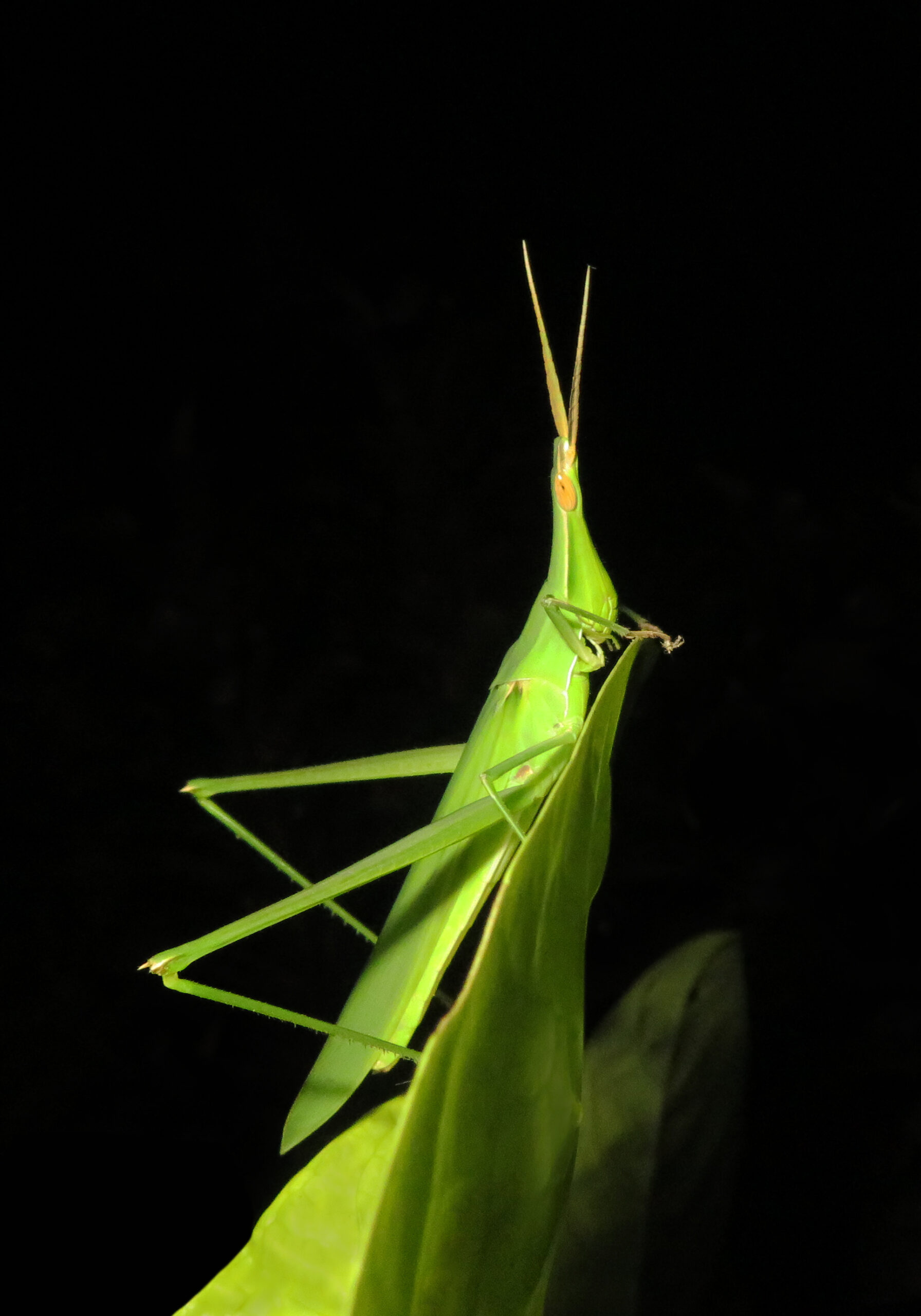
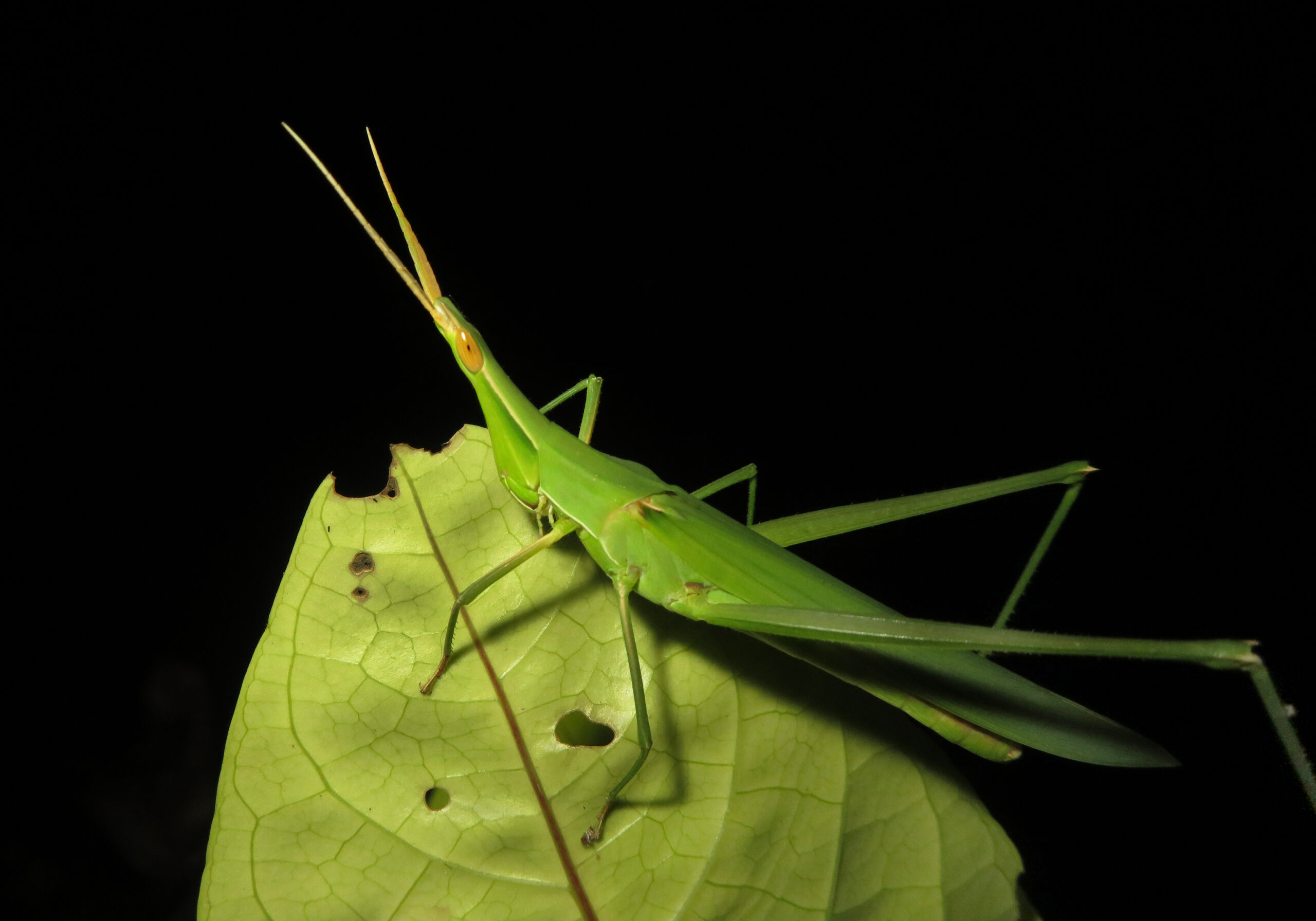
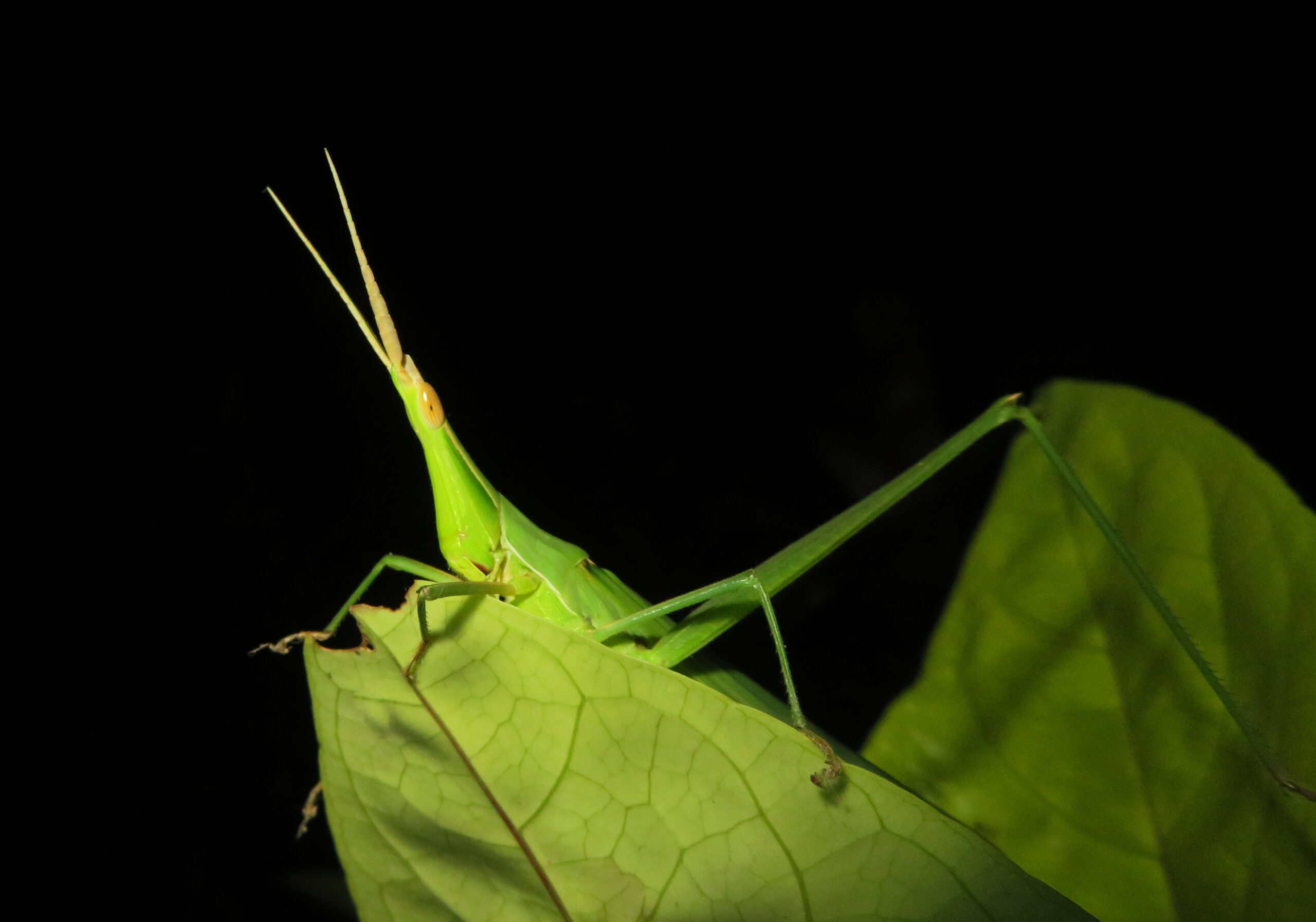
Acrida is a genus of short-horned grasshoppers within the tribe Acridini (Subfamily Acridinae, Family Acrididae, Order Orthoptera). Commonly known as the slant-faced grasshoppers or long-headed grasshoppers, the genus comprises more than 40 described species distributed across Africa, southern Europe, the Middle East, Asia, and Australia. Members inhabit grasslands, savannas, wetlands, reed beds, agricultural fields, forest edges, shrublands, parks, and other open habitats dominated by grasses and herbaceous vegetation.
Grasshoppers of the genus Acrida are generally medium to large-sized, measuring approximately 40–80 mm in body length, with females usually larger than males. They are readily recognized by their elongated, conical head, which slopes forward into a pointed snout and provides excellent camouflage among upright grass stems. The body is slender and streamlined, with long, narrow forewings (tegmina) covering transparent membranous hindwings that allow sustained flight. Coloration is predominantly green, straw-yellow, olive, or brown, often with fine longitudinal stripes that closely resemble grasses and reeds. This cryptic coloration enables them to remain almost invisible while resting among vegetation.
Adults are diurnal, spending much of the day feeding, basking, and moving through tall grasses. When threatened, they usually rely on camouflage, remaining motionless with the body aligned parallel to grass stems. If further disturbed, they escape by making powerful jumps followed by rapid, direct flights before settling back into vegetation. Males produce stridulatory sounds by rubbing the hind legs against the forewings during courtship and territorial interactions, although acoustic communication is generally less elaborate than in true crickets.
Members of Acrida are herbivorous, feeding primarily on grasses (Poaceae), reeds, sedges (Cyperaceae), and other monocotyledonous plants. They consume leaves, stems, and tender shoots using their strong chewing mouthparts. Most species are natural components of grassland ecosystems, although large populations may occasionally feed on cereal crops such as rice, wheat, and millet.
The life cycle involves incomplete metamorphosis, consisting of egg, nymph, and adult stages. Females deposit egg pods in the soil, where the eggs remain dormant until environmental conditions become favorable. Wingless nymphs resemble miniature adults and undergo several molts before developing functional wings and reaching maturity. Throughout development, both nymphs and adults occupy similar habitats and feed on the same host plants.
The genus includes numerous well-known species, including Acrida cinerea, Acrida turrita, Acrida exaltata, Acrida ungarica, and Acrida conica. These species exhibit variation in size, coloration, and distribution but all retain the characteristic elongated head and grass-mimicking appearance that define the genus.
Ecologically, Acrida grasshoppers are important primary consumers that influence grassland vegetation dynamics and facilitate the transfer of plant biomass into terrestrial food webs. They serve as prey for birds, reptiles, amphibians, spiders, predatory insects, and small mammals. Because they are closely associated with grass-dominated habitats and respond to changes in vegetation structure, grazing pressure, and land use, Acrida species are valuable indicators of grassland ecosystem health, habitat quality, and biodiversity.