

Death's-head Hawkmoths (Genus Acherontia)
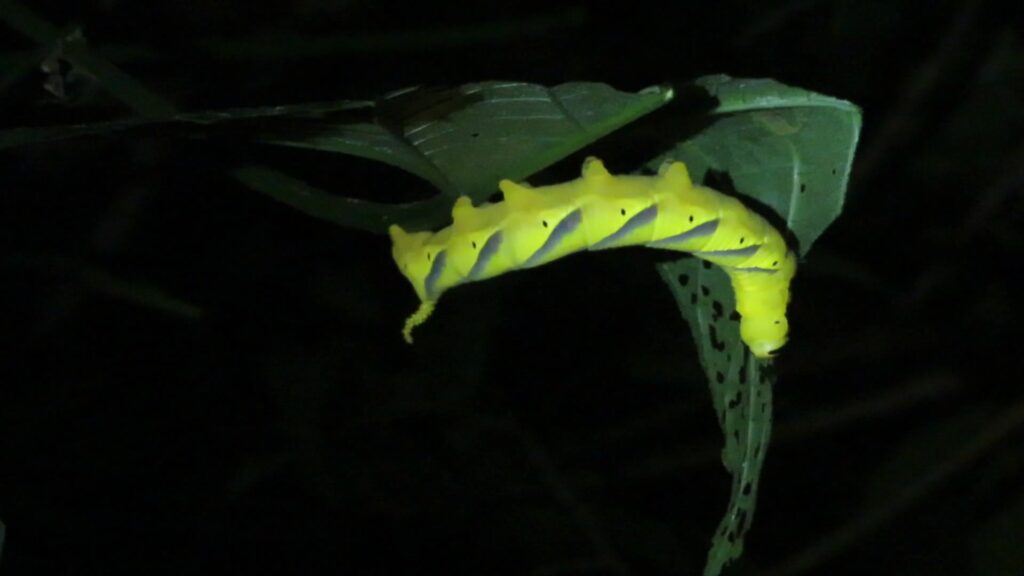
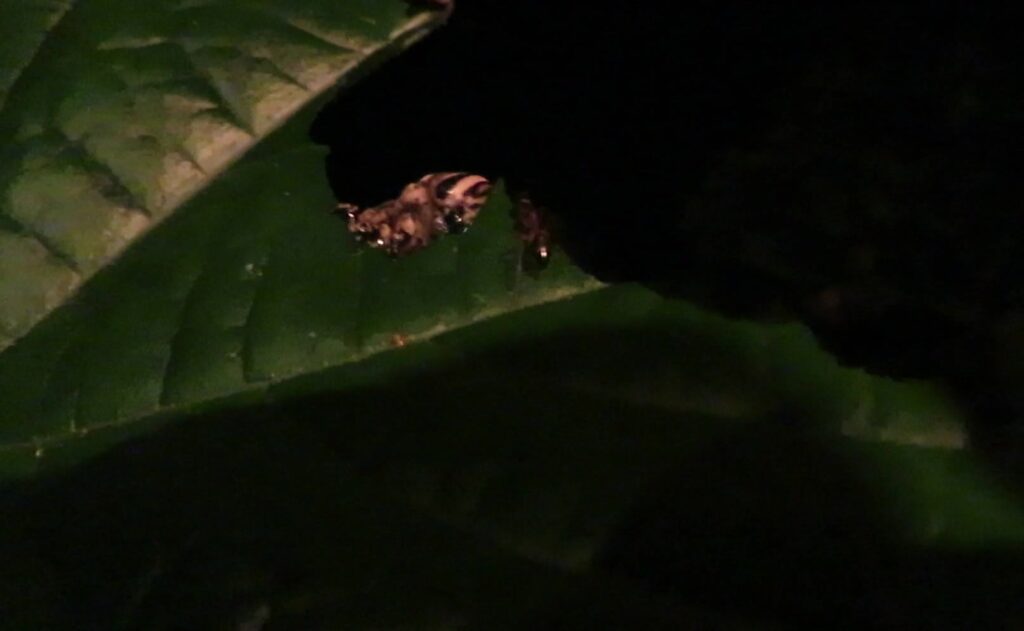
Acherontia is a genus of moths belonging to the family Sphingidae, commonly known as hawk moths or sphinx moths. Its members are famously called death’s-head hawkmoths because of the distinctive skull-like marking found on the thorax of several species. These large, powerful moths are notable for their robust bodies, elongated forewings, yellow-and-black patterned abdomens, and unusual ability to produce audible squeaking sounds. The genus is especially well known for its association with honeybee colonies, where some species enter hives to feed on stored honey.
Members of Acherontia are among the largest hawk moths in their geographic regions. They have thick, streamlined bodies and long forewings that help them fly strongly over considerable distances. Their coloration typically combines shades of dark brown, gray, black, yellow, and cream, creating patterns that resemble bark, dried leaves, or other natural surfaces when the moth is resting. The skull-like marking on the thorax is particularly striking, although its appearance varies among individuals and species.
The genus contains three widely recognized species: Acherontia atropos, the African death’s-head hawkmoth; Acherontia lachesis, the greater death’s-head hawkmoth; and Acherontia styx, the lesser death’s-head hawkmoth. These species differ in size, wing patterns, and geographic distribution. Acherontia atropos occurs mainly in Africa and also migrates into parts of Europe, while A. lachesis and A. styx are distributed across parts of South and Southeast Asia.
Acherontia moths inhabit a variety of environments, including tropical forests, agricultural landscapes, gardens, plantations, and open woodland. Their distribution is influenced by climate, seasonal migration, and the availability of suitable larval host plants. Some species can travel considerable distances, allowing them to colonize regions beyond their main breeding ranges when environmental conditions are favorable.
The larvae are large caterpillars that often display bright yellow, green, or brown coloration, sometimes with diagonal stripes and a prominent curved horn at the rear of the body. They feed on the leaves of various plants, particularly members of the nightshade family, Solanaceae, although host plants vary among species. Plants in families such as Oleaceae and Verbenaceae may also serve as food sources. As they grow, the caterpillars pass through several molts before entering the pupal stage, which commonly occurs underground in a chamber in the soil.
Adult Acherontia moths are unusual among hawk moths because they frequently feed on honey from honeybee colonies. They can enter beehives and use their strong proboscis to access stored honey. Their body covering and behavior may help them avoid provoking an immediate defensive response from worker bees, although interactions vary and the moths can still be attacked. Adults may also consume tree sap, fermenting fruit, and other sugary substances.
Another remarkable feature of Acherontia is its ability to produce a squeaking or chirping sound when disturbed. The sound is produced by moving air through the mouthparts, and it may function as a defensive response. Combined with their skull-like thoracic markings and nocturnal habits, this behavior has contributed to the moths’ reputation in folklore and popular culture. Despite their eerie appearance, these moths are harmless to humans and do not possess a sting or medically significant venom.
The life cycle consists of four stages: egg, larva, pupa, and adult. Females lay eggs on suitable host plants, and the caterpillars feed until they reach maturity. They then enter the soil to pupate, remaining there until the adult moth emerges. Development time depends on temperature, food availability, and species, while seasonal conditions influence breeding and migration.
Ecologically, Acherontia moths participate in food webs as herbivorous larvae and as prey for bats, birds, and other predators. Adults may visit flowers, although their feeding behavior often focuses on honey and other sugar-rich resources. Their interactions with honeybee colonies have attracted particular attention, but they are not generally regarded as major threats to beekeeping.
Overall, Acherontia is a distinctive genus of large hawk moths known for its skull-like thoracic markings, powerful flight, honey-feeding behavior, and unusual sound-producing ability. Its species occupy diverse habitats across Africa, Europe, and Asia, and their striking appearance has made them among the most recognizable moths in the world.