Bali Wildlife
Every Spices Matter


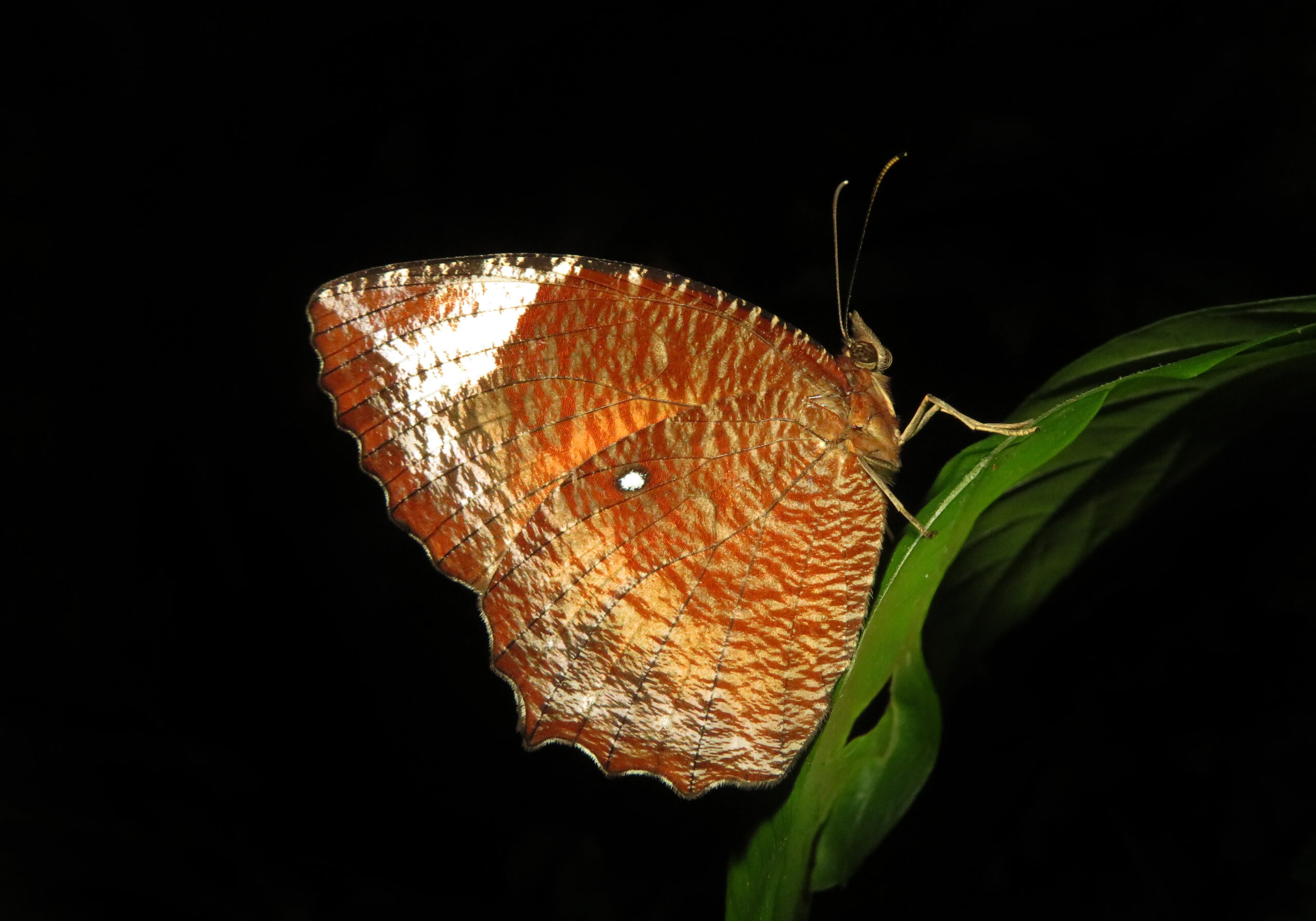
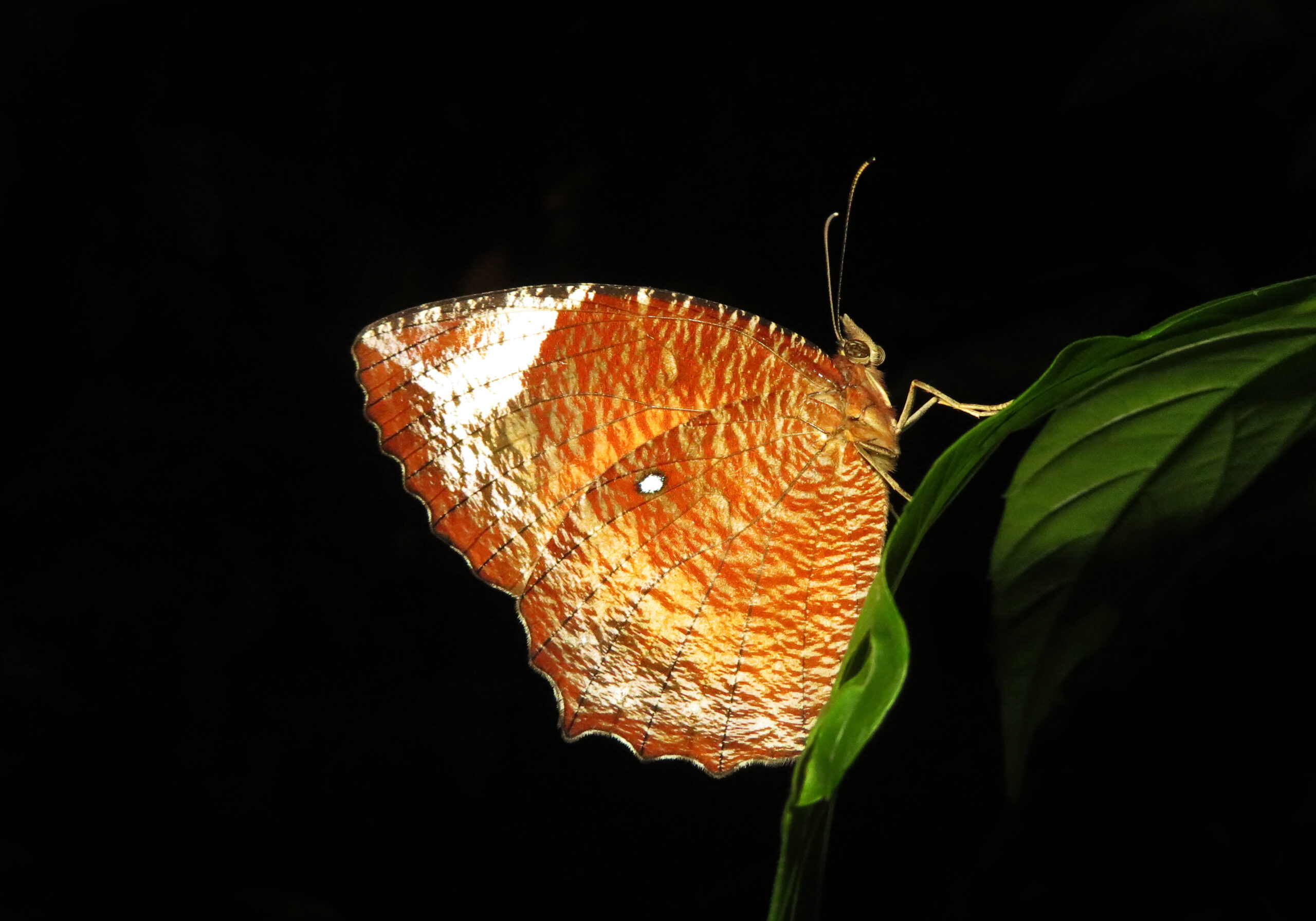
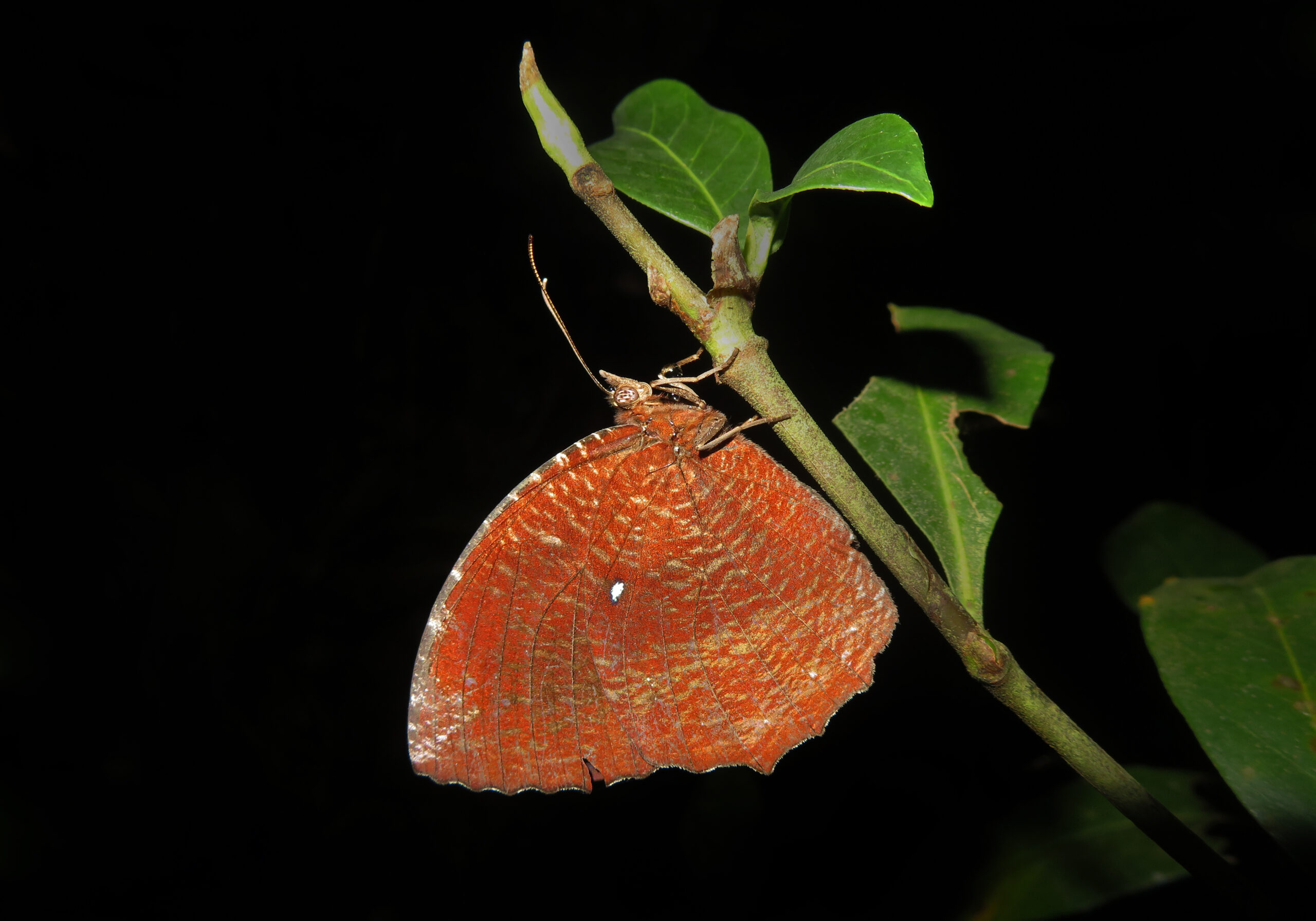
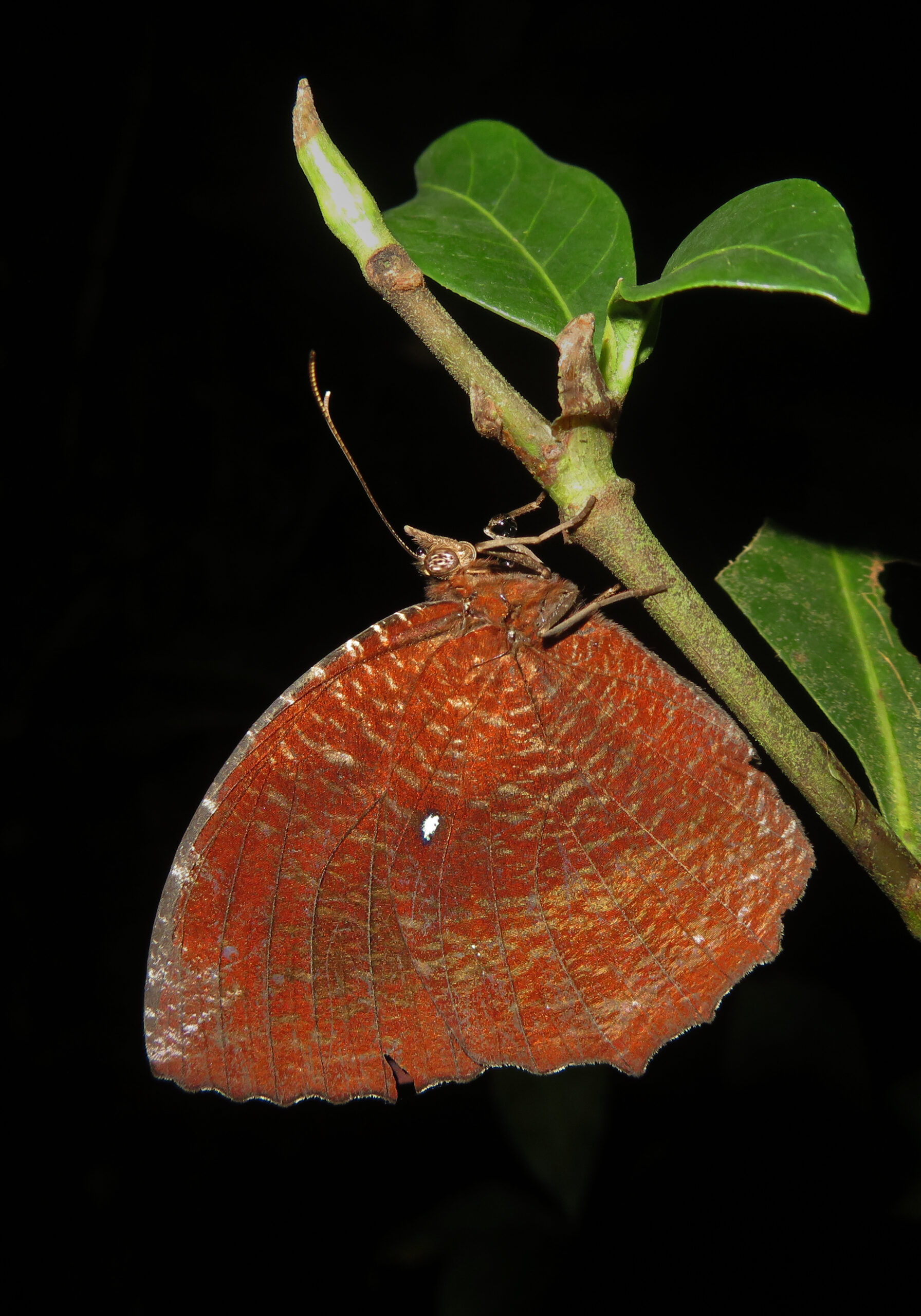
Elymniini is a tribe of brush-footed butterflies within the subfamily Satyrinae (Family Nymphalidae, Superfamily Papilionoidea, Order Lepidoptera). The tribe comprises a small number of genera distributed primarily throughout tropical and subtropical regions of South Asia, Southeast Asia, southern China, and the Indo-Australian region. Members are closely associated with forested habitats, including tropical rainforests, secondary forests, woodland edges, riverine forests, plantations, and shaded gardens, where suitable larval host plants are abundant.
Butterflies of the tribe Elymniini are generally medium-sized and possess a robust body with broad, rounded wings. Like all members of the family Nymphalidae, their forelegs are reduced and brush-like, making them functionally four-legged. Wing coloration varies from shades of brown, black, gray, and chestnut to iridescent blue or purple, often with white bands, orange markings, or eye-like spots. Many species exhibit remarkable sexual dimorphism and are well known for their Batesian mimicry, with females closely resembling unpalatable butterflies such as danaids (Danaus, Parantica, and related genera), thereby reducing predation.
Adults are diurnal and usually fly through the shaded understory or along forest edges with a slow, gliding flight interspersed with rapid wingbeats. Rather than relying exclusively on flowers, they commonly feed on fermenting fruits, tree sap, decaying organic matter, animal dung, and mineral-rich moisture, although nectar is also taken when available. Males frequently engage in mud-puddling, obtaining sodium and other minerals important for successful reproduction.
The life cycle involves complete metamorphosis, consisting of egg, larva (caterpillar), pupa (chrysalis), and adult stages. Females lay eggs singly on the leaves of host plants. Caterpillars are smooth-bodied, green or brown, and often possess a bifid tail and subtle markings that provide camouflage among foliage. Most species feed on monocotyledonous plants, particularly palms (Arecaceae), although some also utilize bamboos and other related plants. Pupation occurs on leaves or stems, where the chrysalis is suspended from a silken pad.
The tribe is represented primarily by the genus Elymnias, whose species are among the most distinctive satyrine butterflies because of their diverse mimicry patterns and strong association with tropical forests. Many species display seasonal variation in wing coloration and pattern, reflecting adaptations to changing environmental conditions.
Ecologically, Elymniini butterflies contribute to forest ecosystems as herbivores during the larval stage and as pollinators and nutrient recyclers during adulthood. Their caterpillars participate in plant–herbivore interactions, while both larvae and adults serve as prey for birds, reptiles, spiders, predatory insects, and parasitoids. Because many species depend on intact forest habitats and specific host plants, Elymniini butterflies are valuable indicators of forest health, habitat quality, and regional biodiversity.