Bali Wildlife
Every Spices Matter


Lucanini is the principal tribe within the subfamily Lucaninae (Family Lucanidae, Order Coleoptera), comprising many of the world’s most recognizable stag beetles. Members of this tribe are widely distributed throughout Europe, Asia, Africa, and parts of the Americas, where they inhabit forests, woodlands, and other environments containing abundant decaying timber and mature trees.
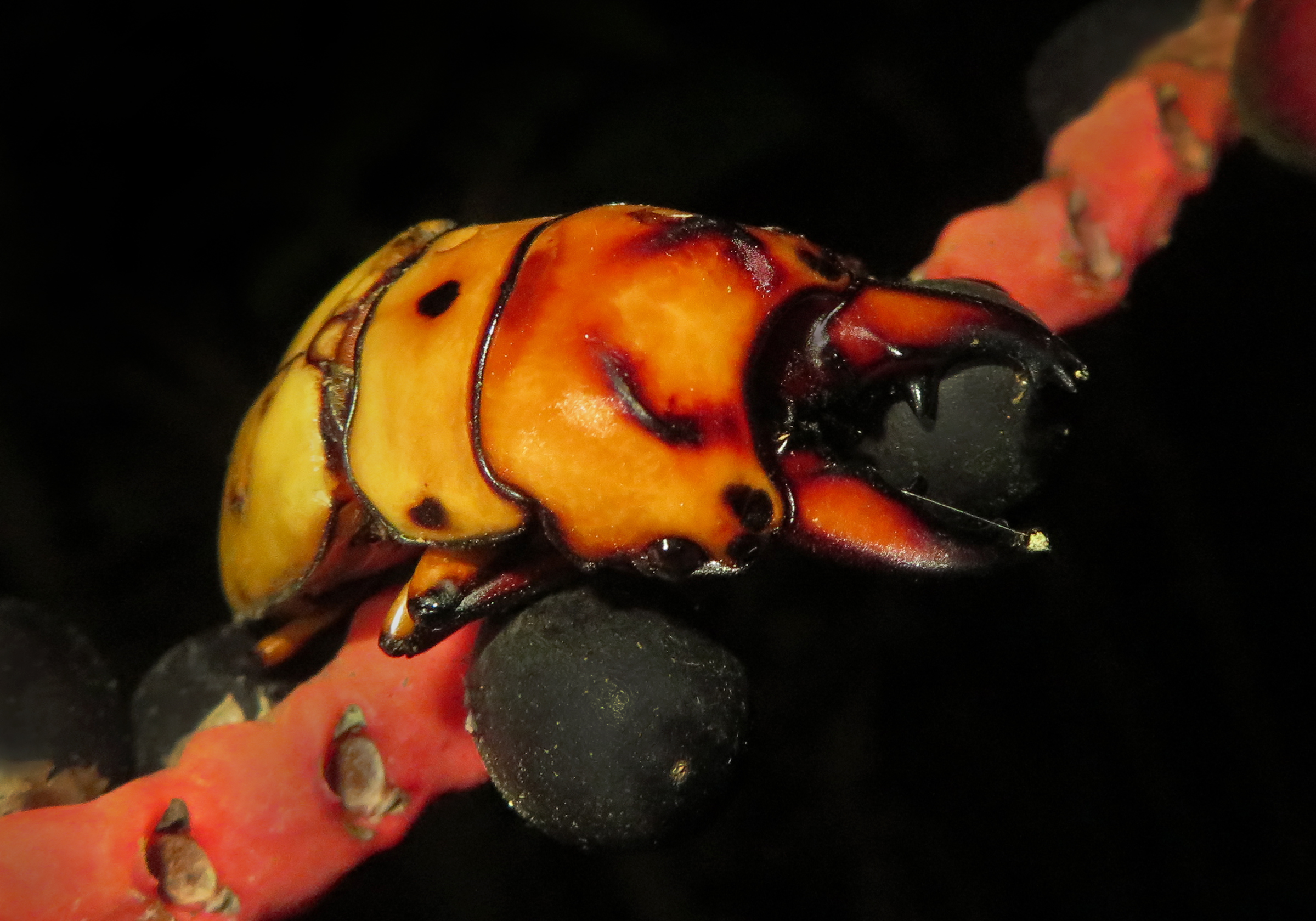
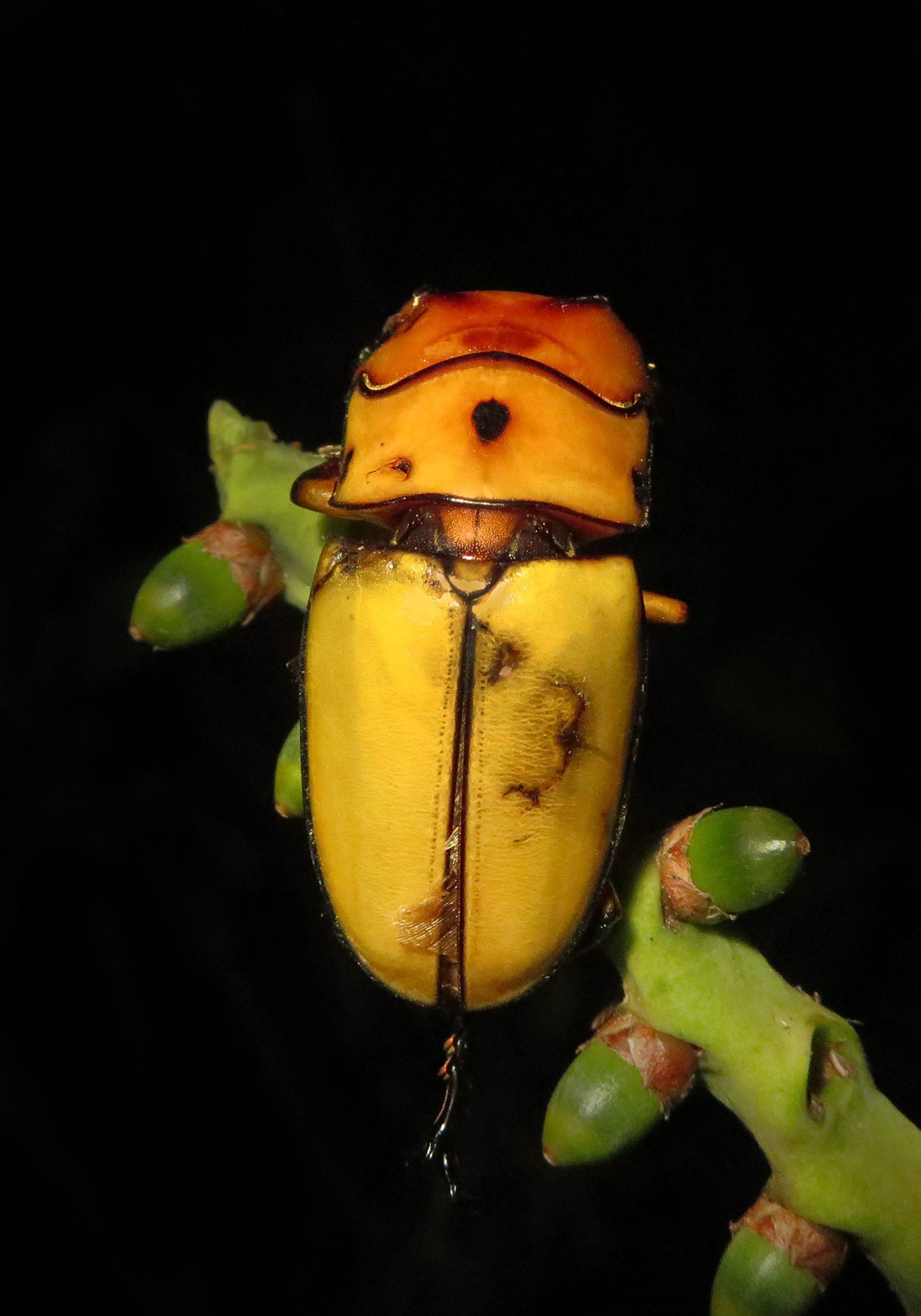
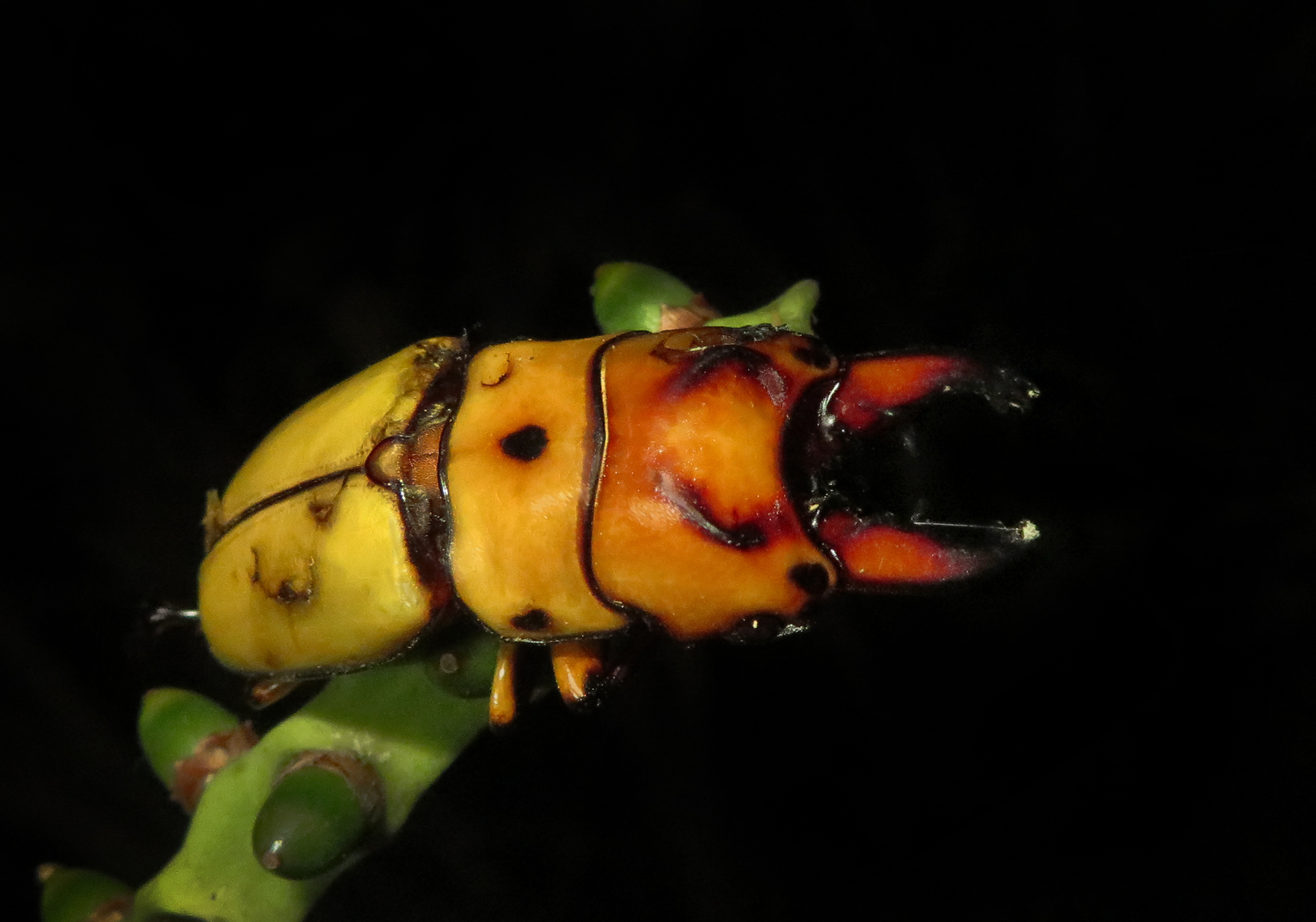
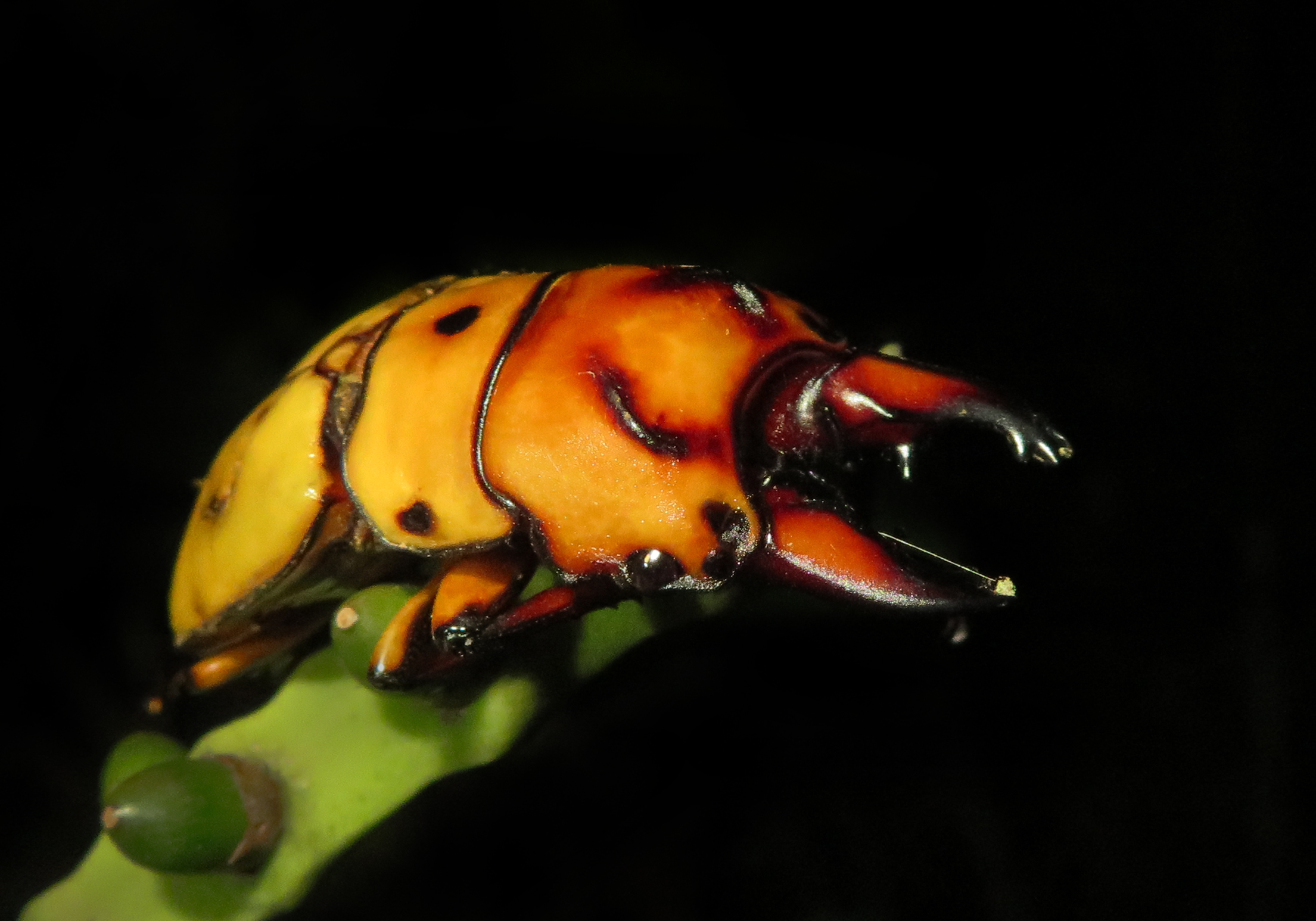
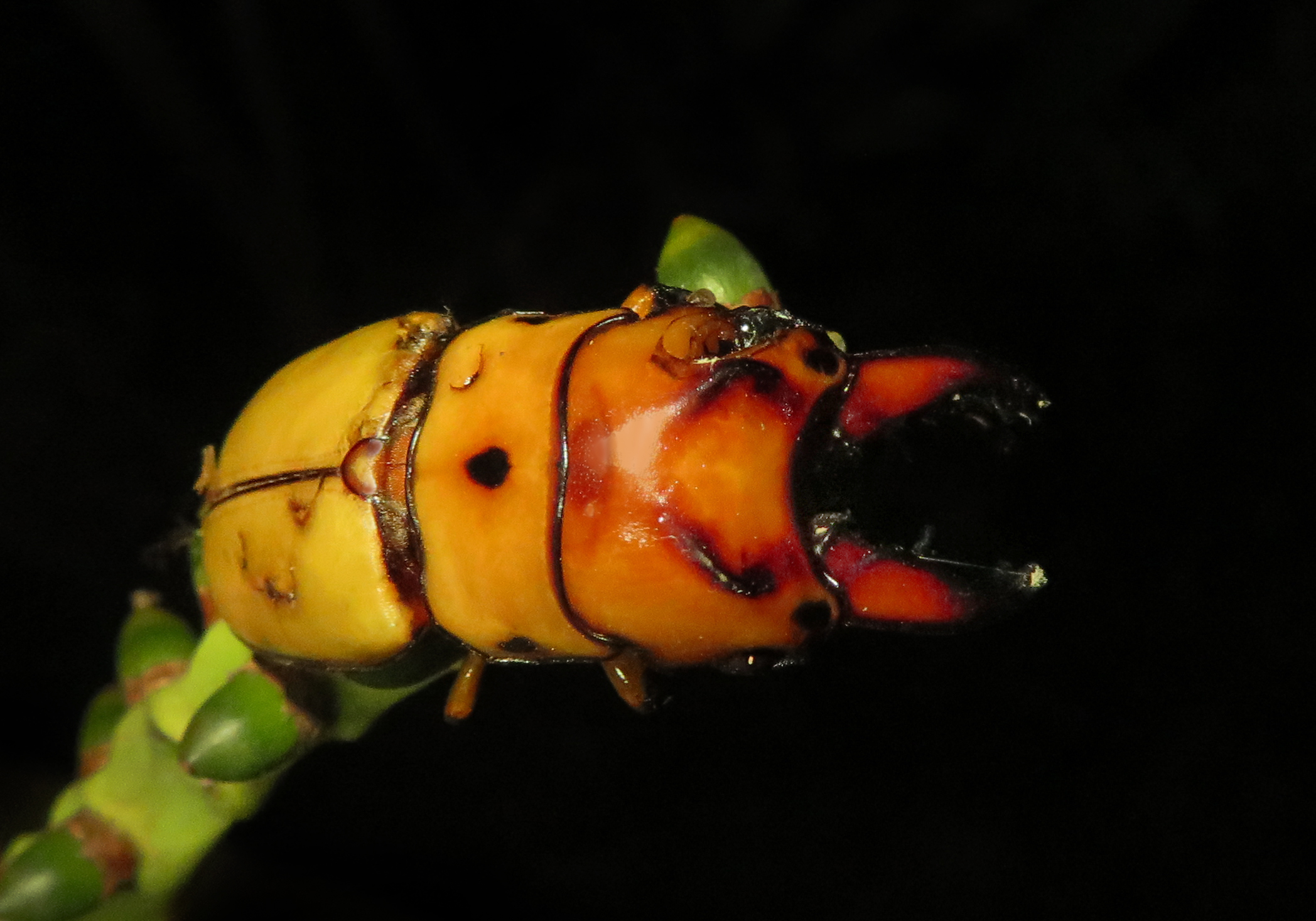
Beetles of the tribe Lucanini are generally medium to very large in size and are characterized by their robust body, strong exoskeleton, and distinctive antennae with comb-like clubs. The most notable feature of many species is the enlarged mandibles of males, which often resemble the antlers of a deer. These structures are primarily used in ritualized combat with rival males for access to mates and breeding sites.
Coloration is usually dark brown, reddish-brown, chestnut, or black, although some species display metallic reflections or contrasting markings. Females generally have smaller mandibles and a more compact appearance than males.
The life cycle follows complete metamorphosis, consisting of egg, larva, pupa, and adult stages. Larvae are large, curved, creamy-white grubs that develop within decaying wood, rotting roots, stumps, or fallen logs. Larval development is relatively slow and may take several years before pupation and adult emergence.
Adults are usually active during warm months and are often found on tree trunks, sap flows, or fermenting fruits. Many species feed on tree sap, fruit juices, or other sugary substances that provide energy for reproduction and dispersal.
The tribe includes numerous notable genera such as Lucanus, Neolucanus, Prosopocoilus, Hexarthrius, and Odontolabis, many of which contain some of the largest and most spectacular stag beetles known.
Ecologically, Lucanini species play an important role in forest ecosystems. Their larvae contribute significantly to the decomposition of dead wood and nutrient recycling, while adults form part of forest food webs as prey for birds, mammals, reptiles, and predatory insects. Because many species depend on mature forests and deadwood habitats, they are also considered valuable indicators of forest health and biodiversity.